
Working with Communities to Strengthen Resilience
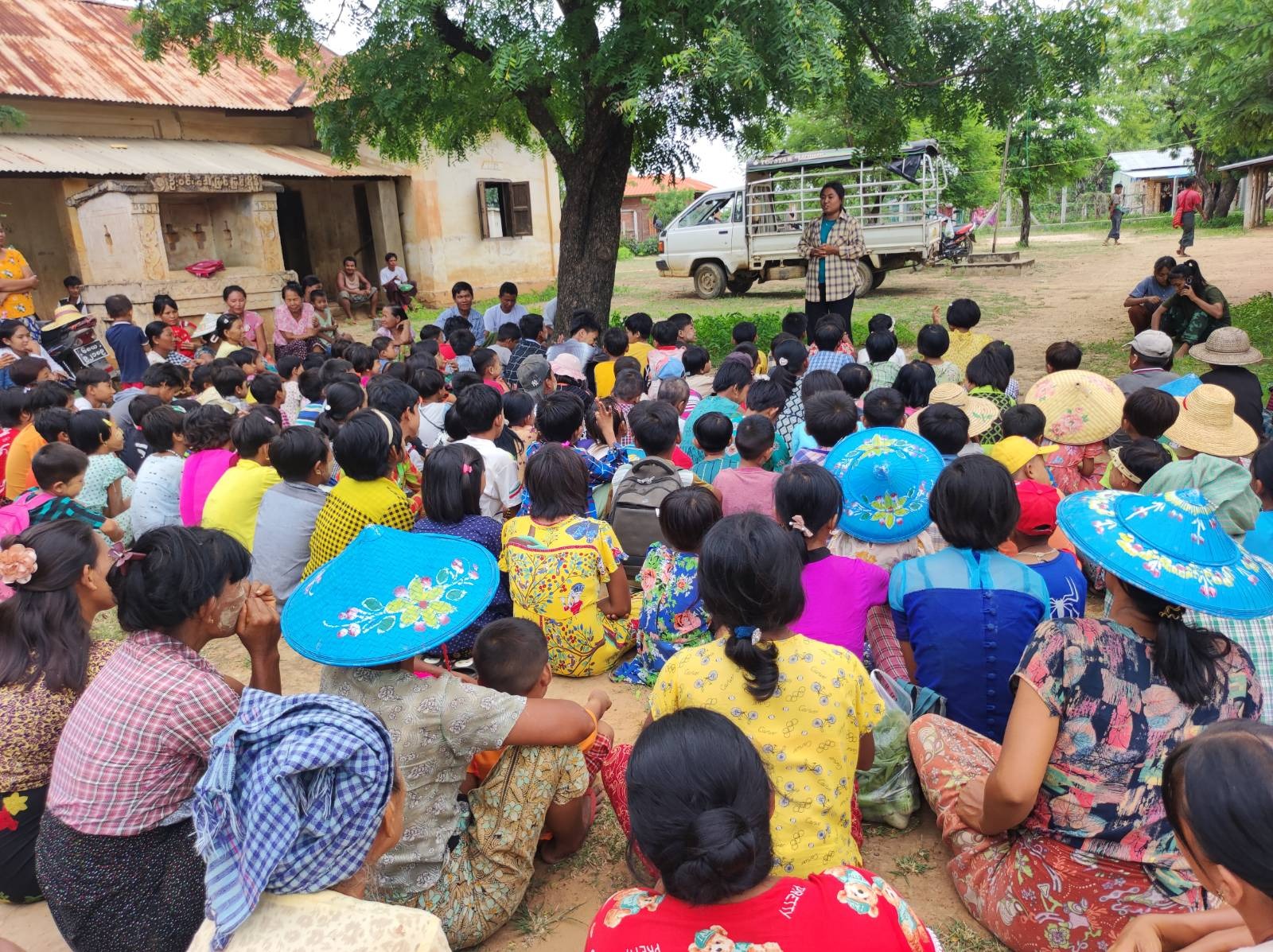
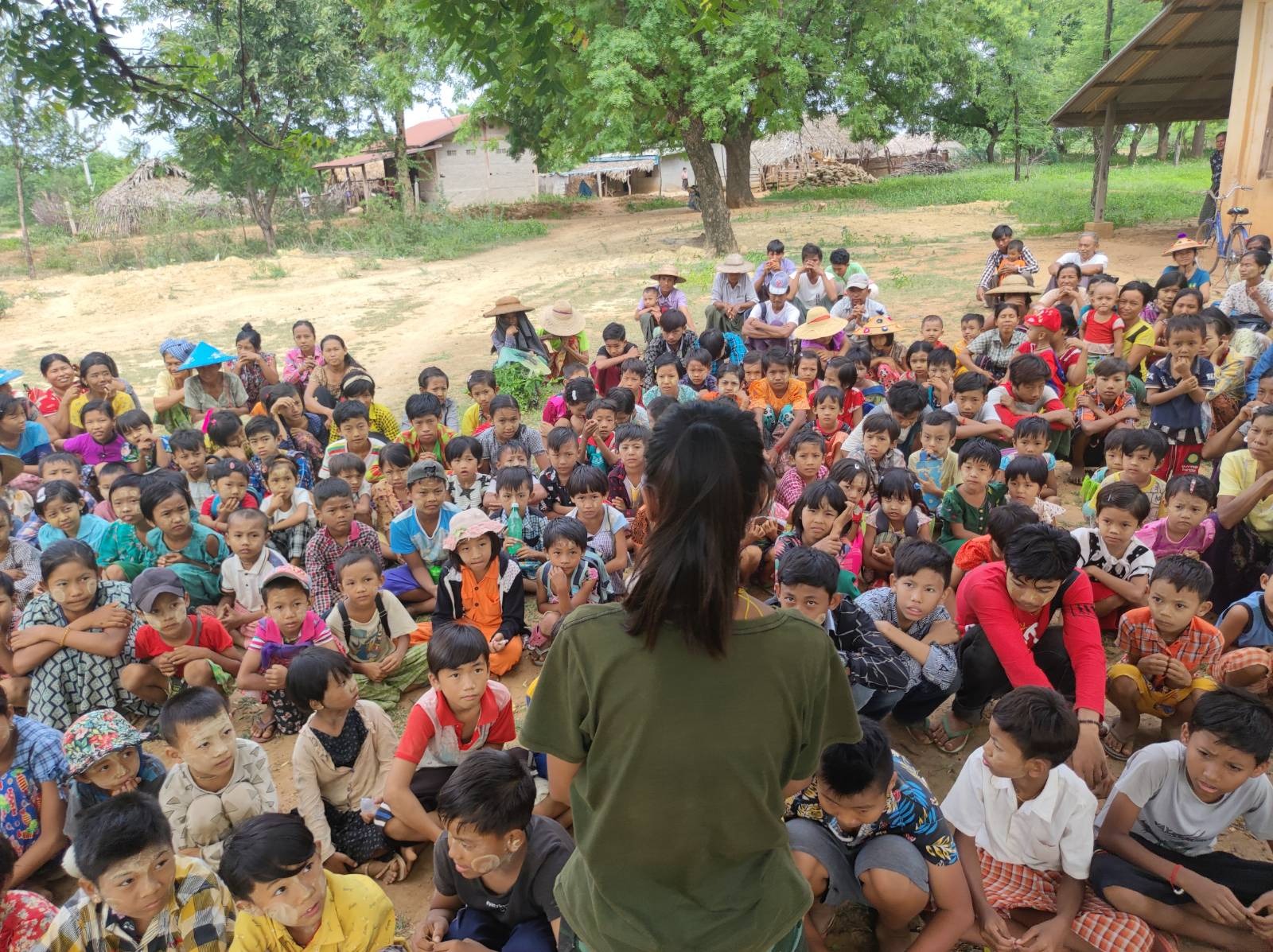
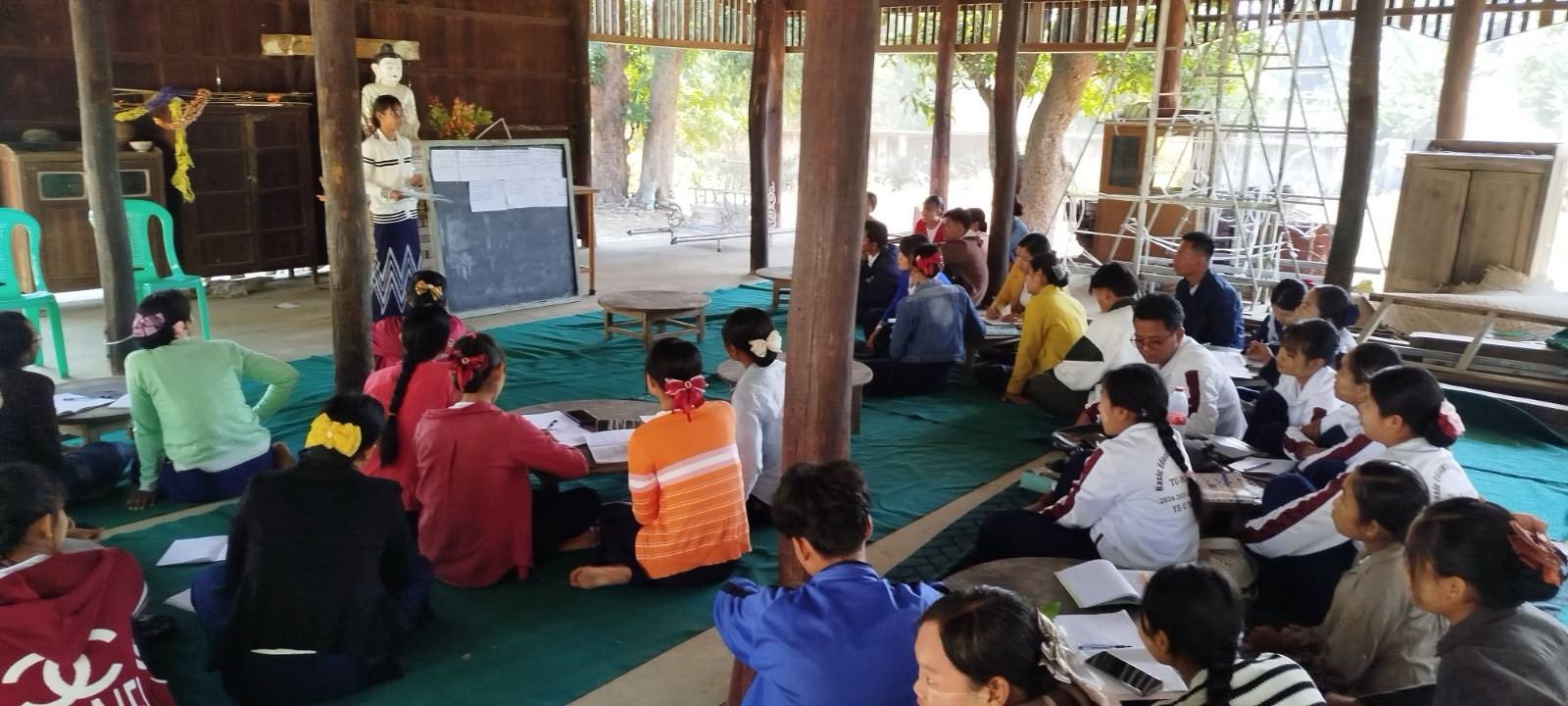
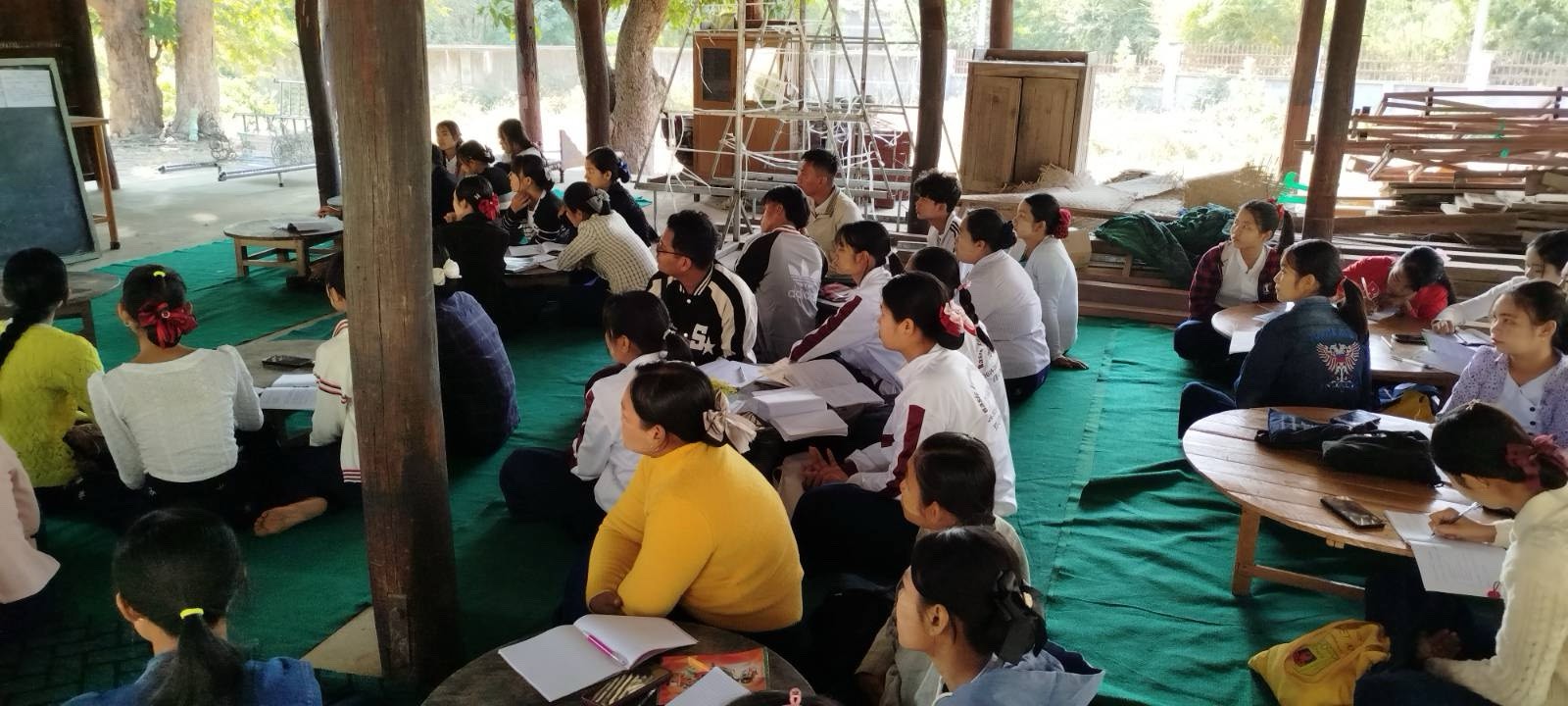
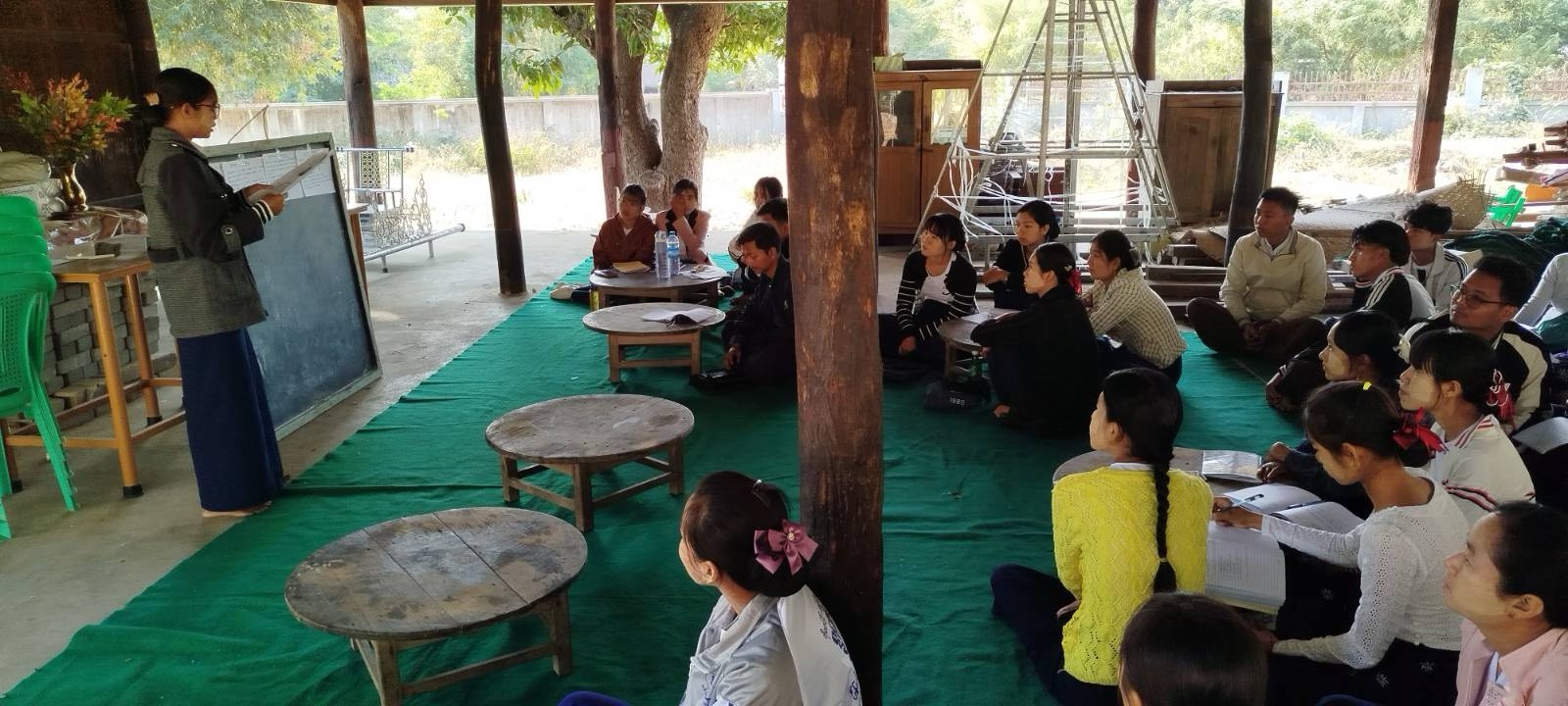
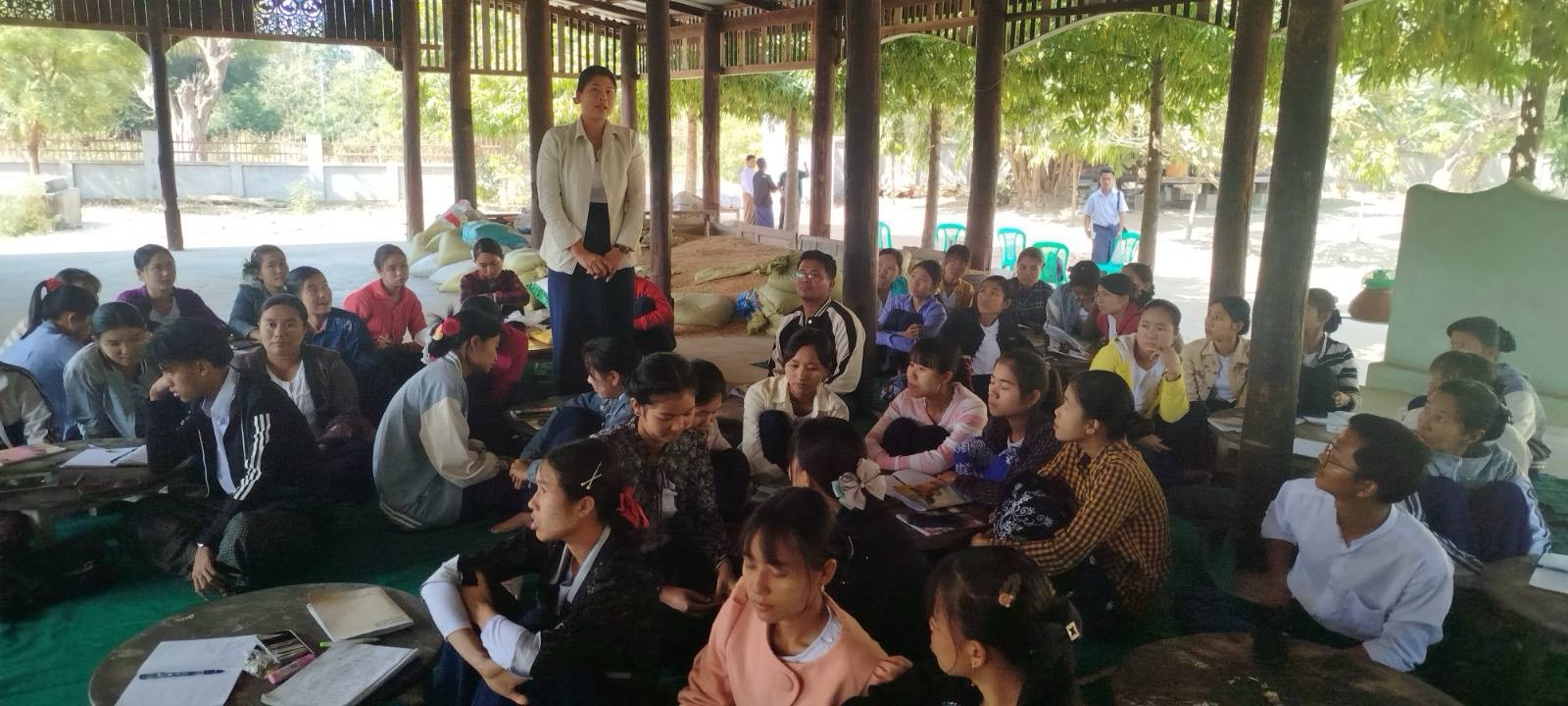
Across Myanmar, communities continue to respond to uncertainty with strength, creativity, and mutual support. Our work builds on these efforts — not by introducing external solutions, but by working alongside communities to strengthen what already exists.
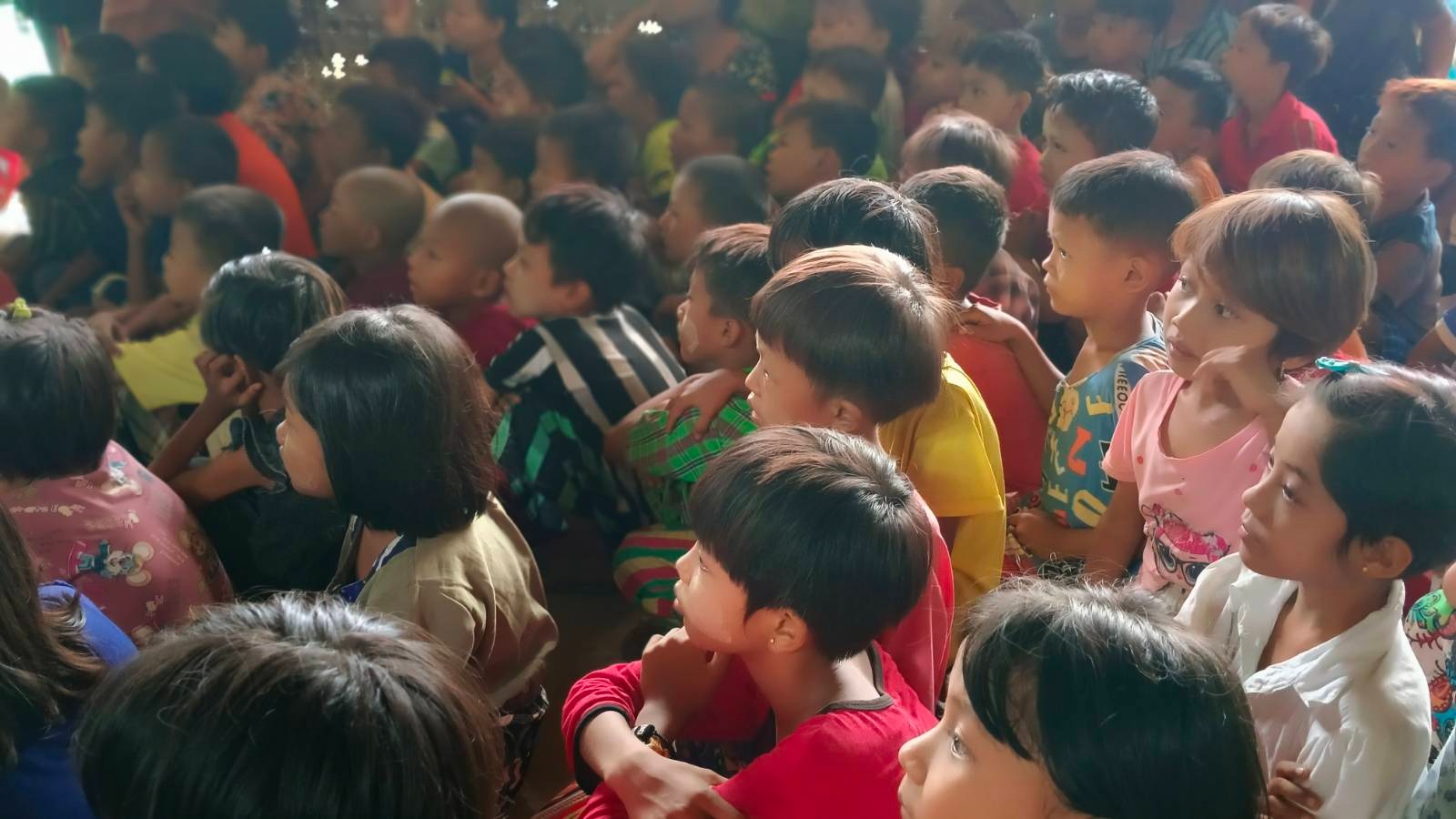
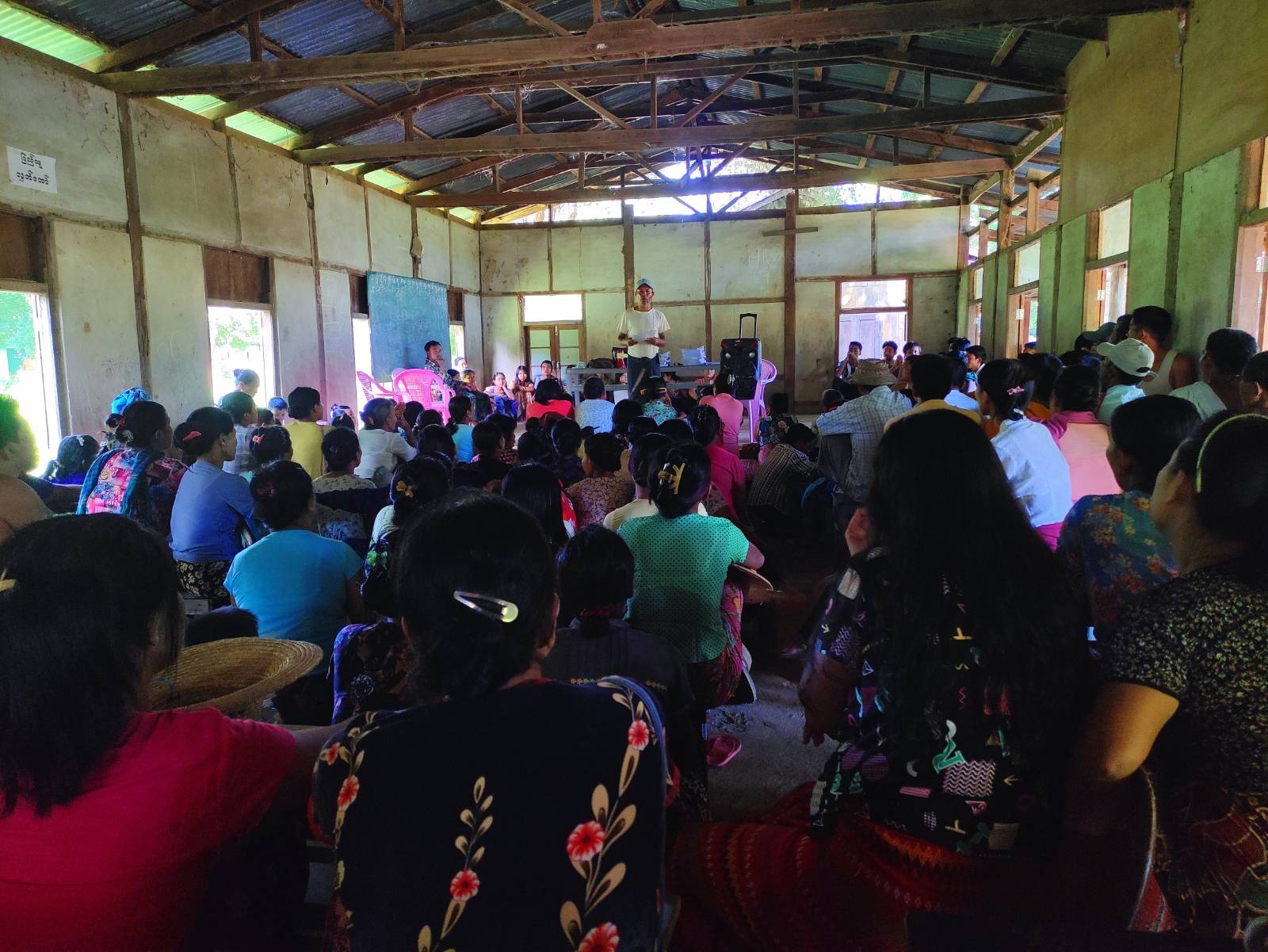
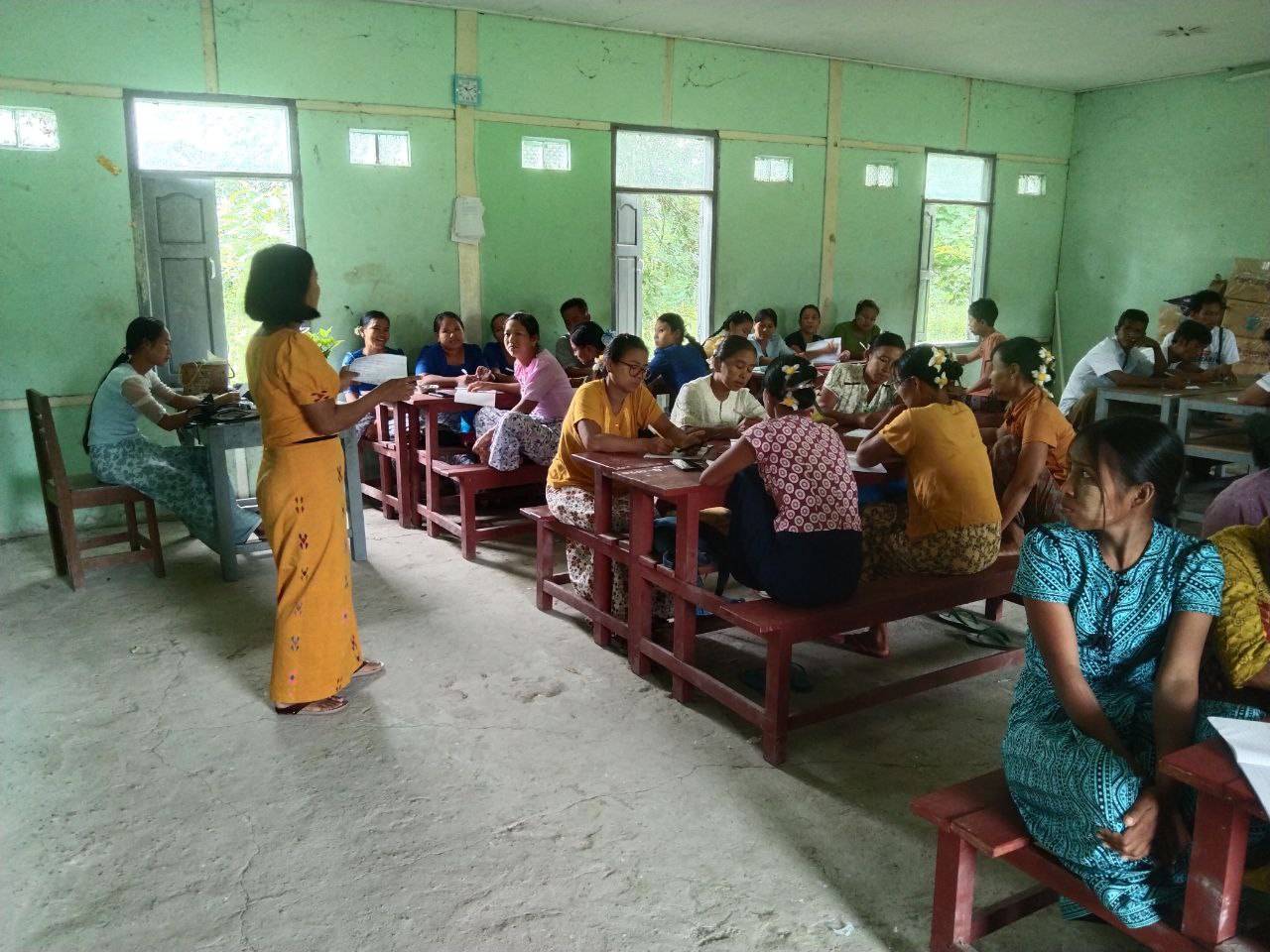
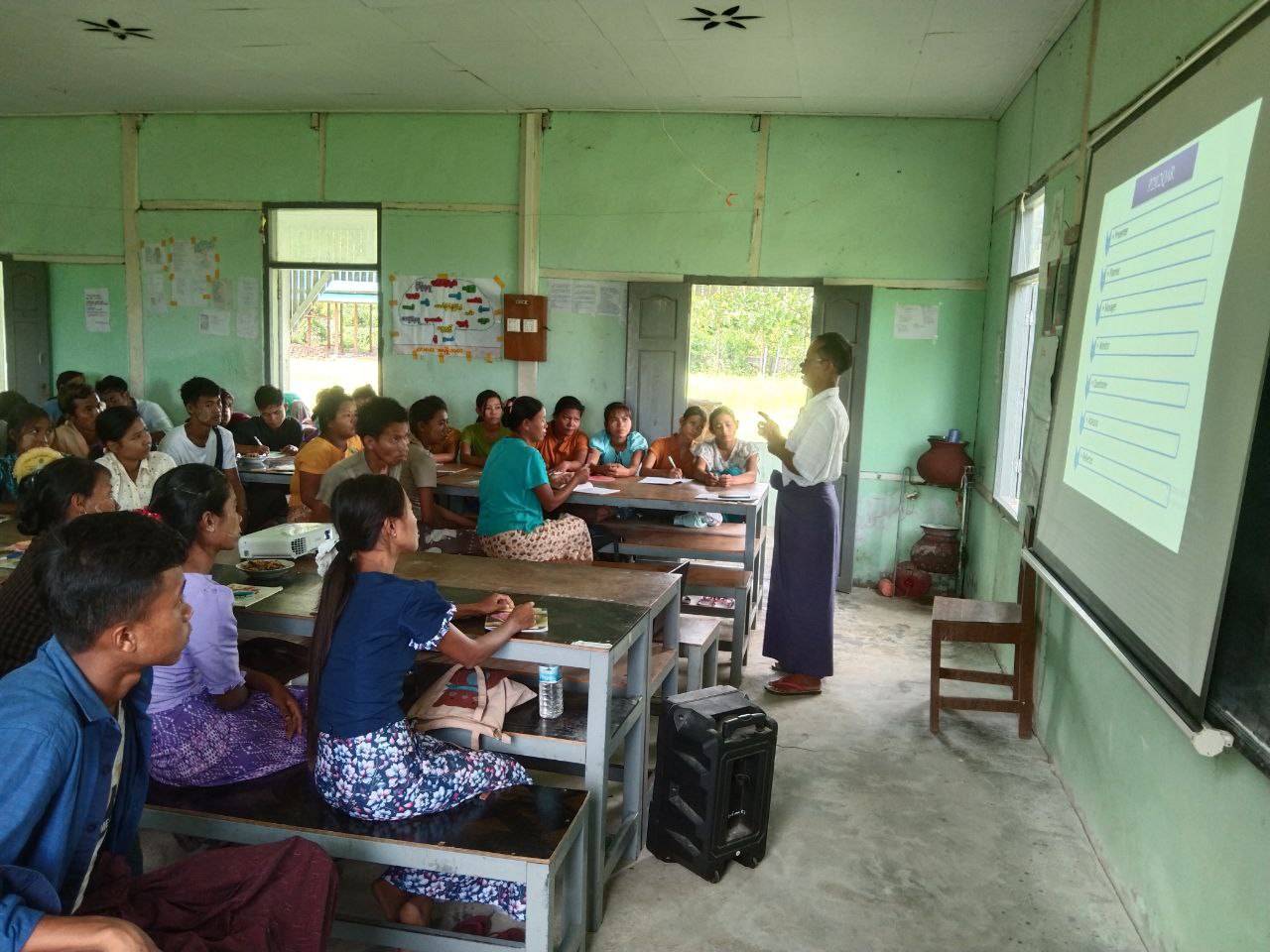
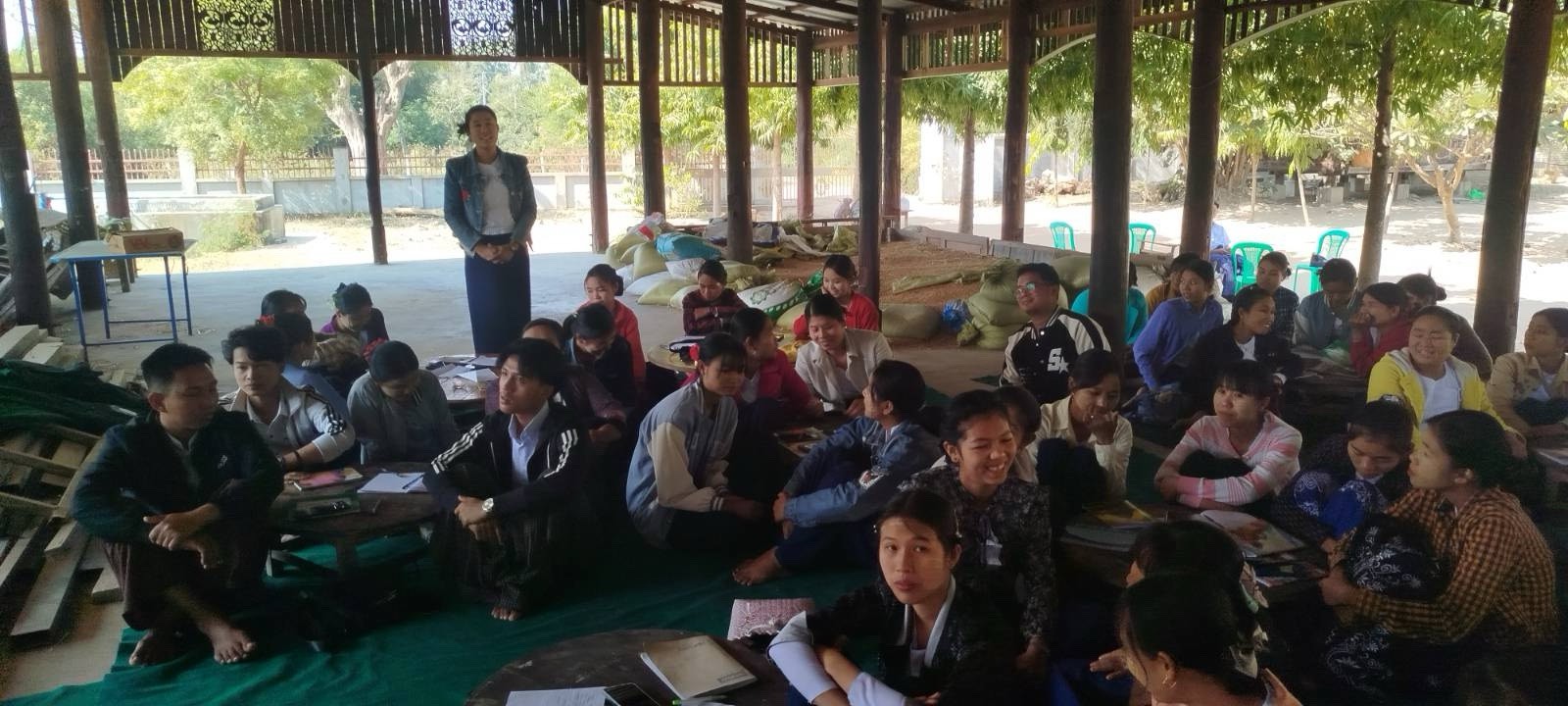
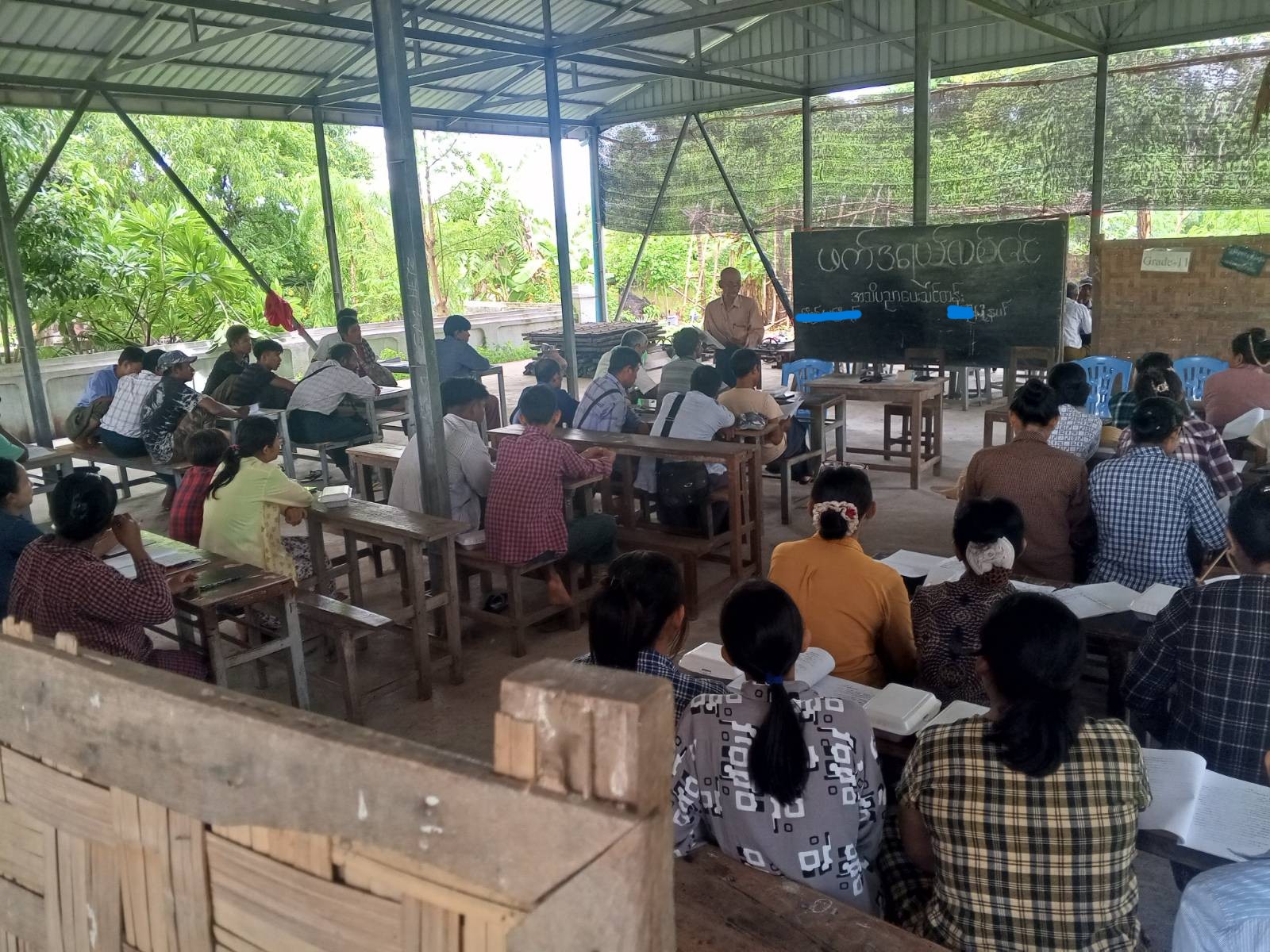
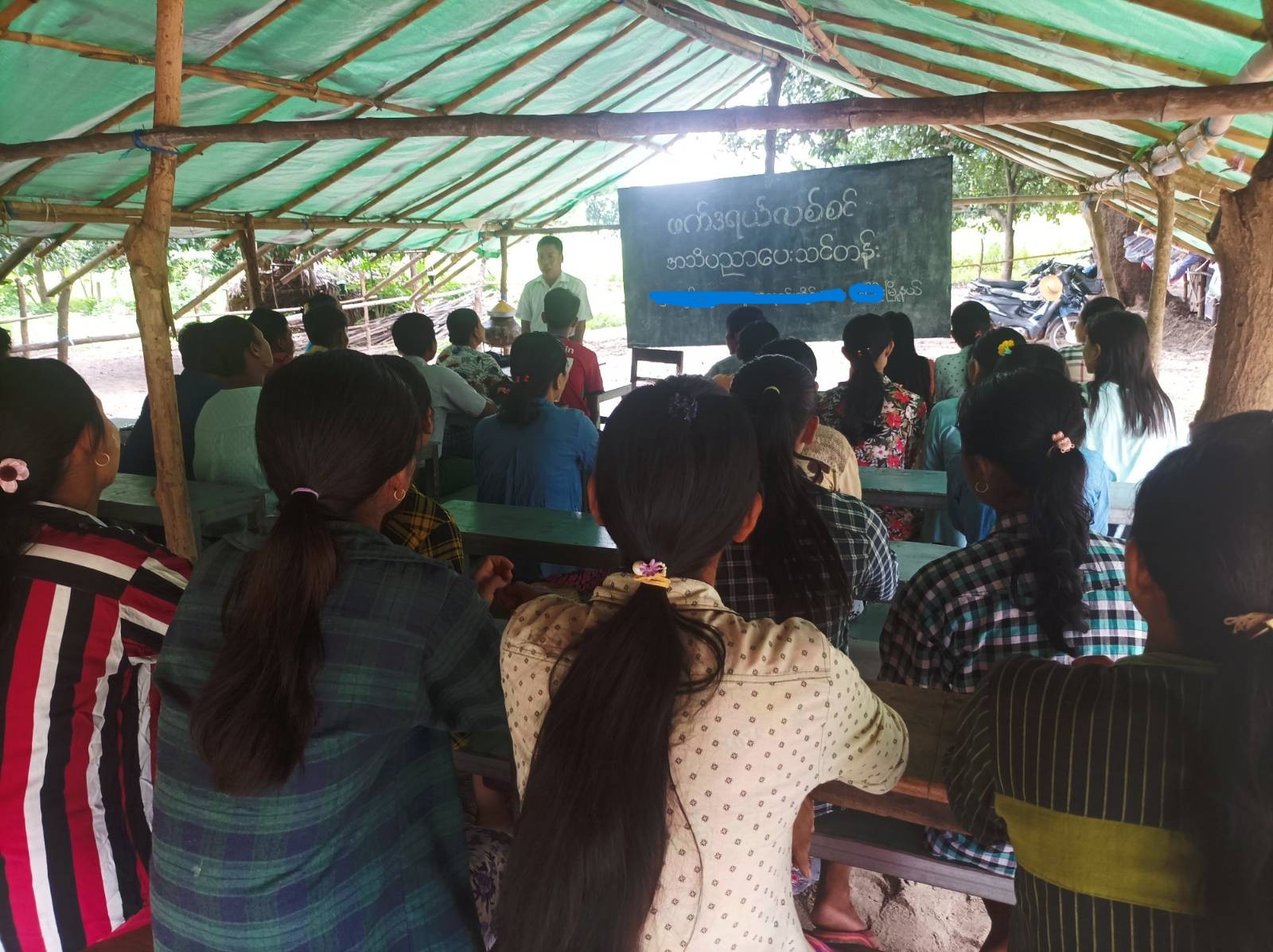
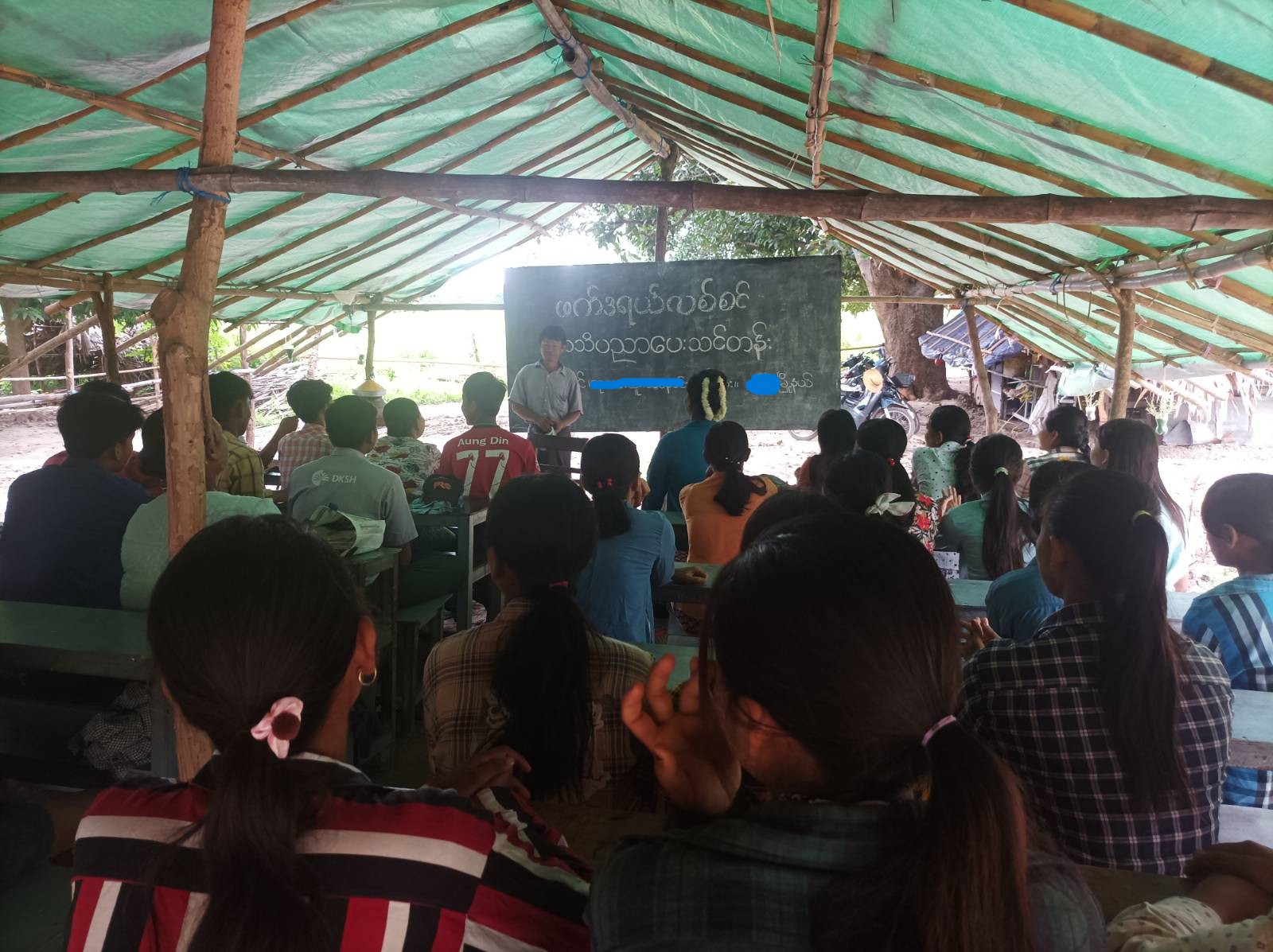
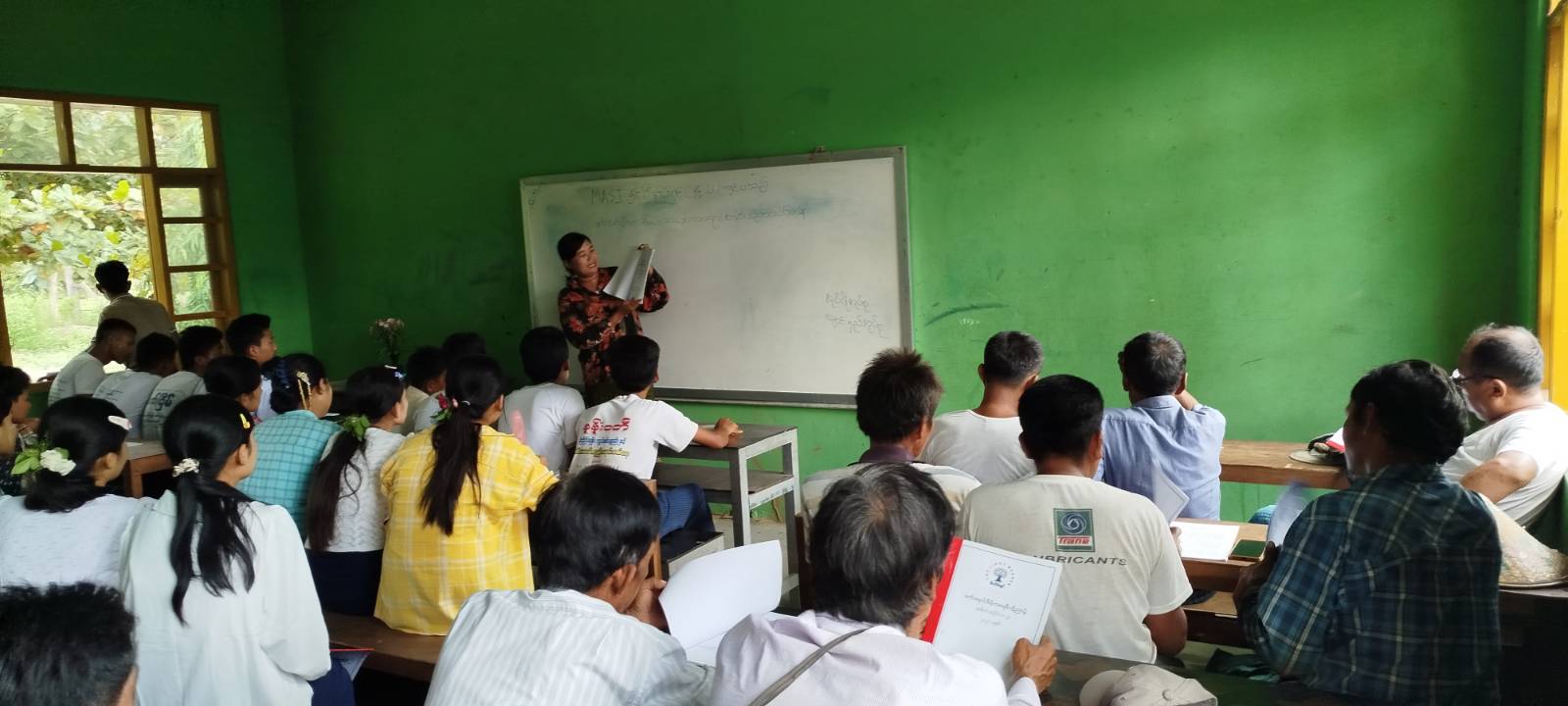
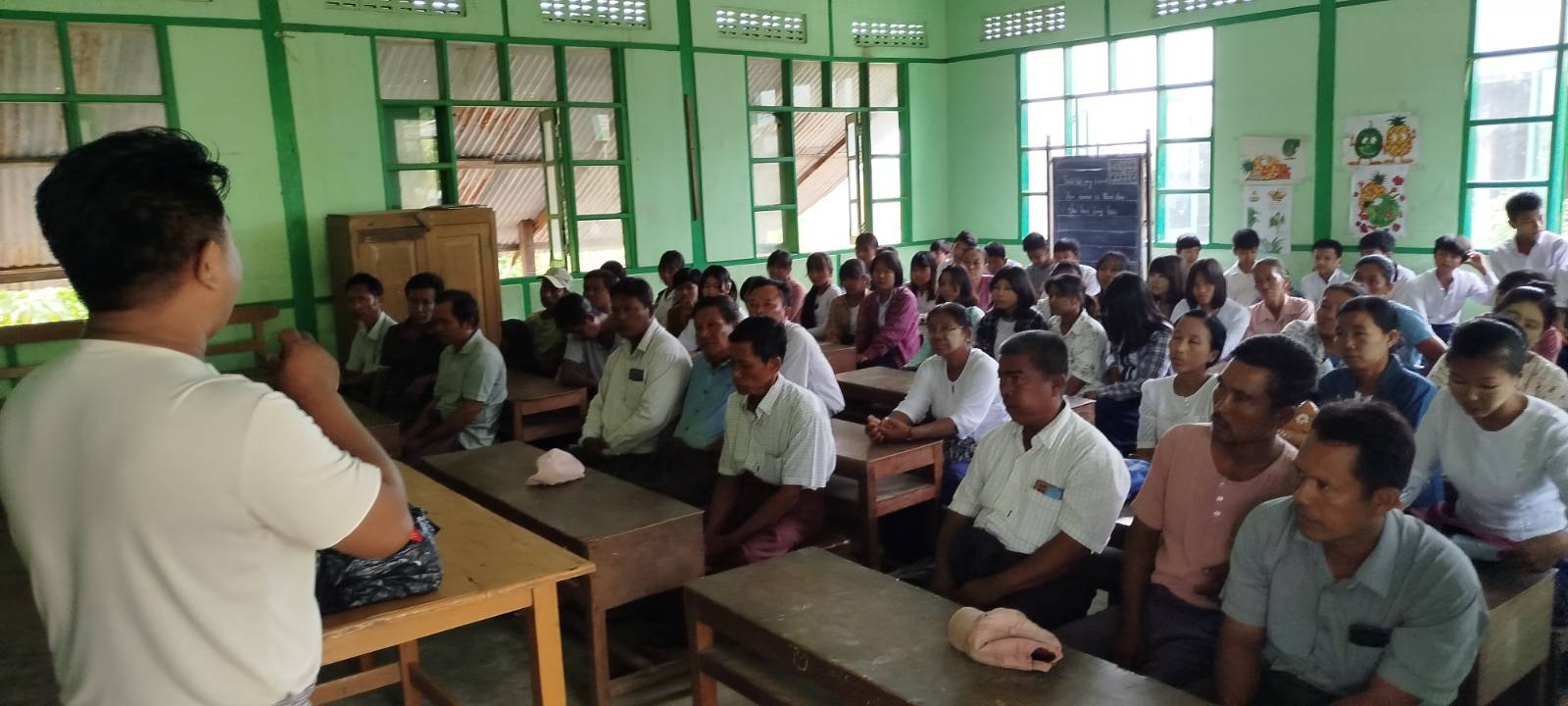
Through shared learning, dialogue, and practical support, we collaborate with local partners to address challenges related to safety, health, education, and social inclusion.
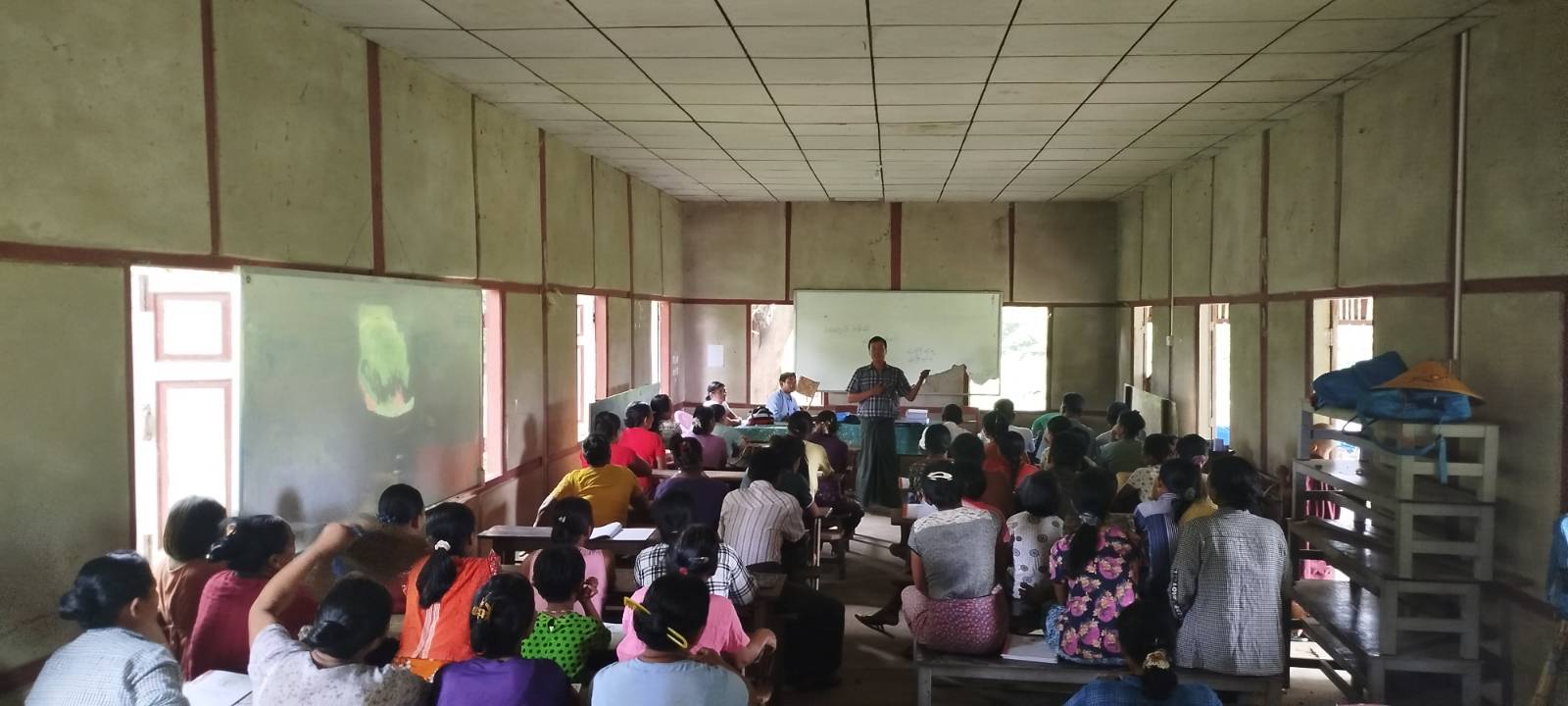
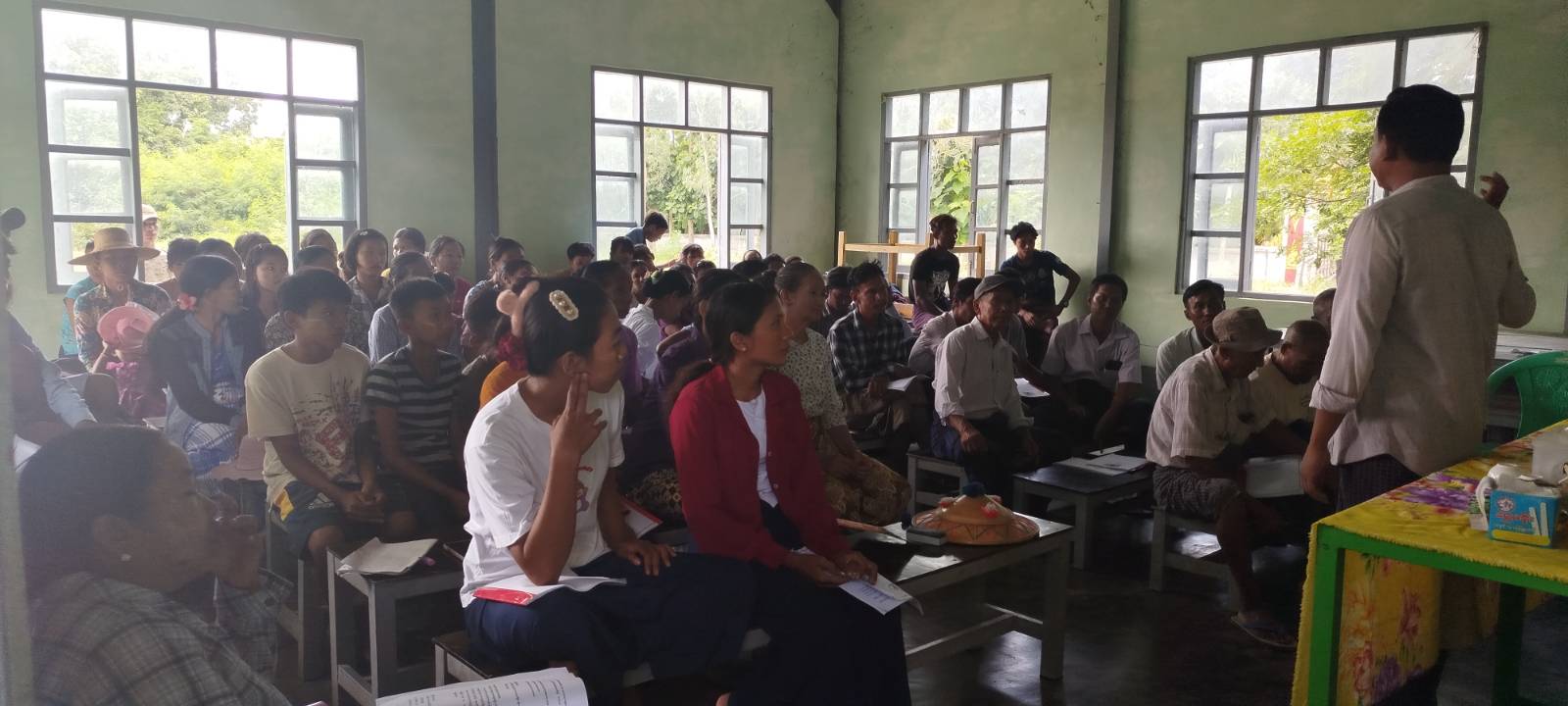
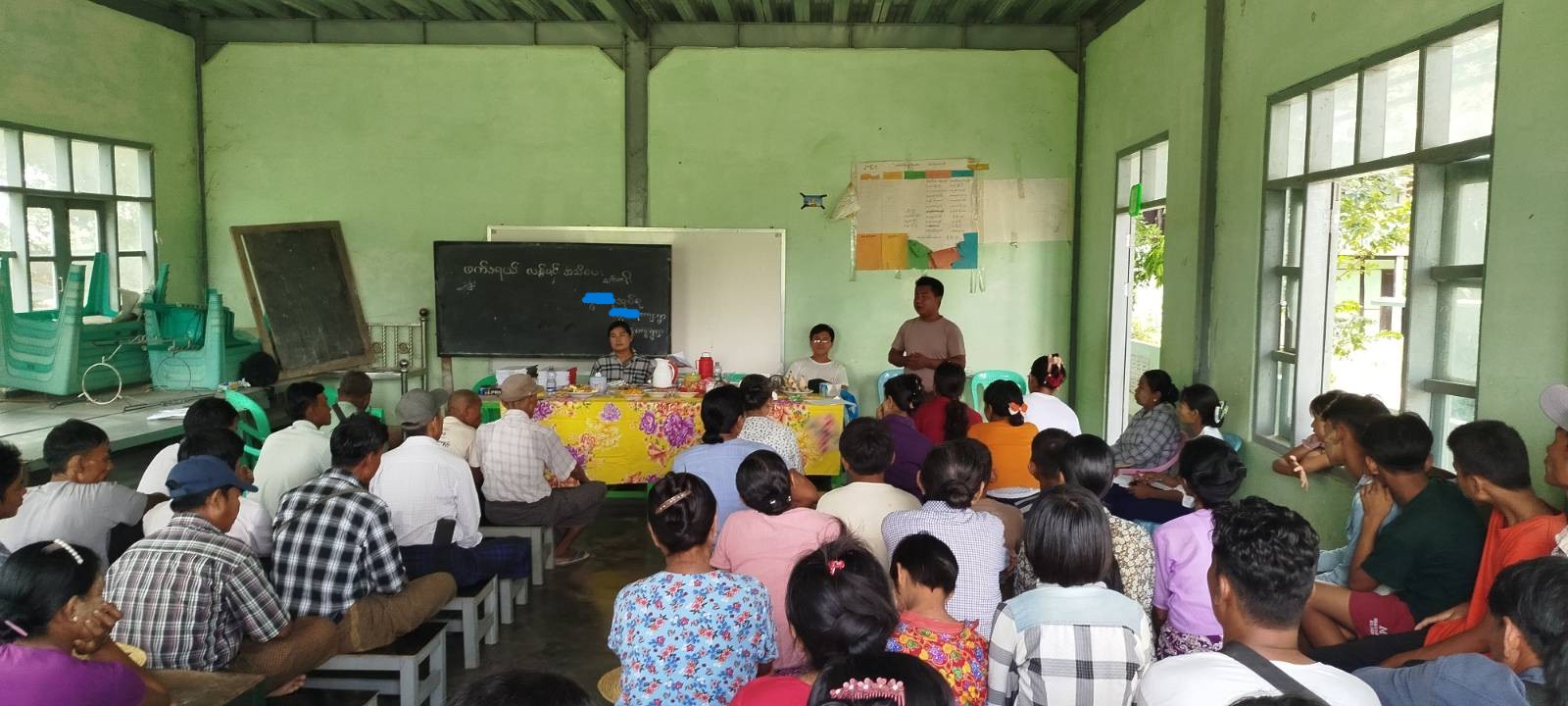
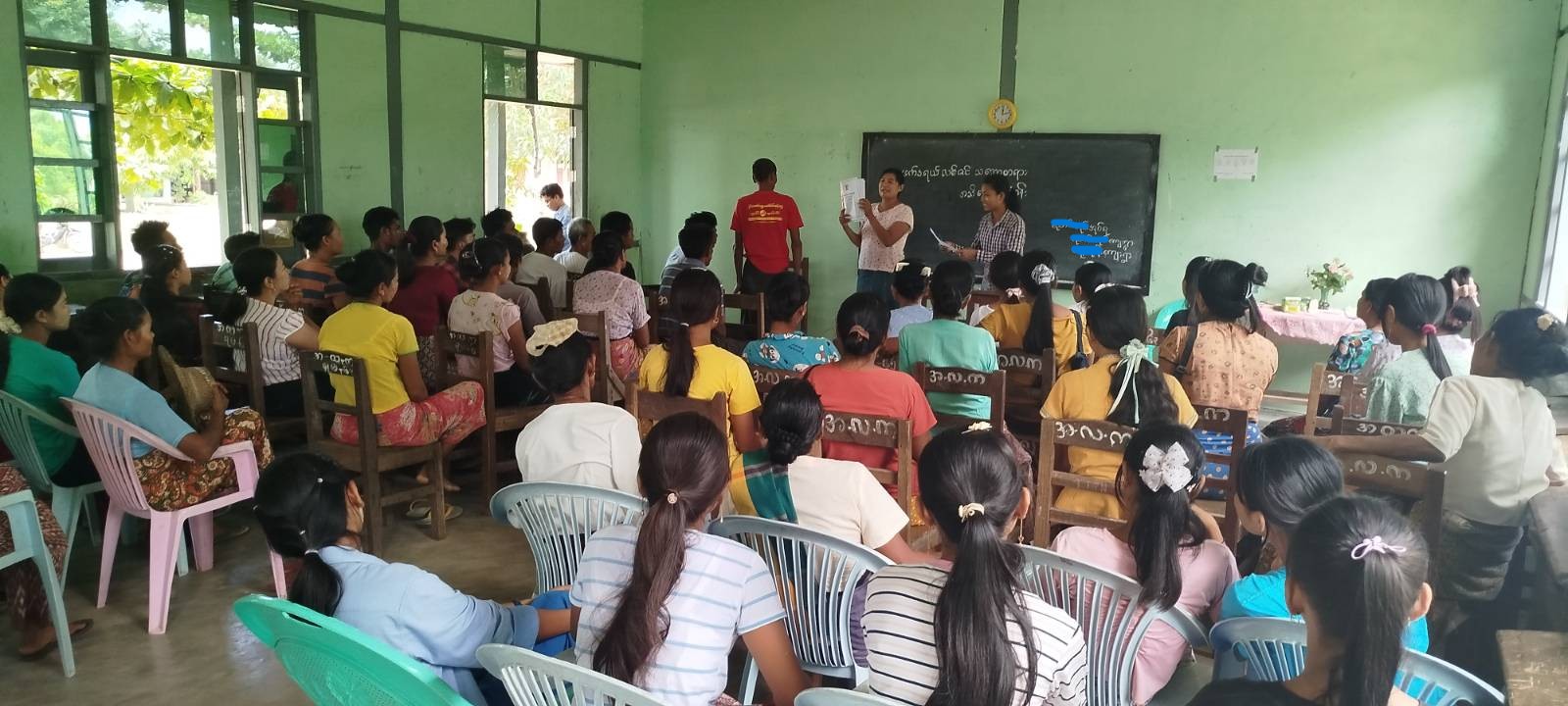
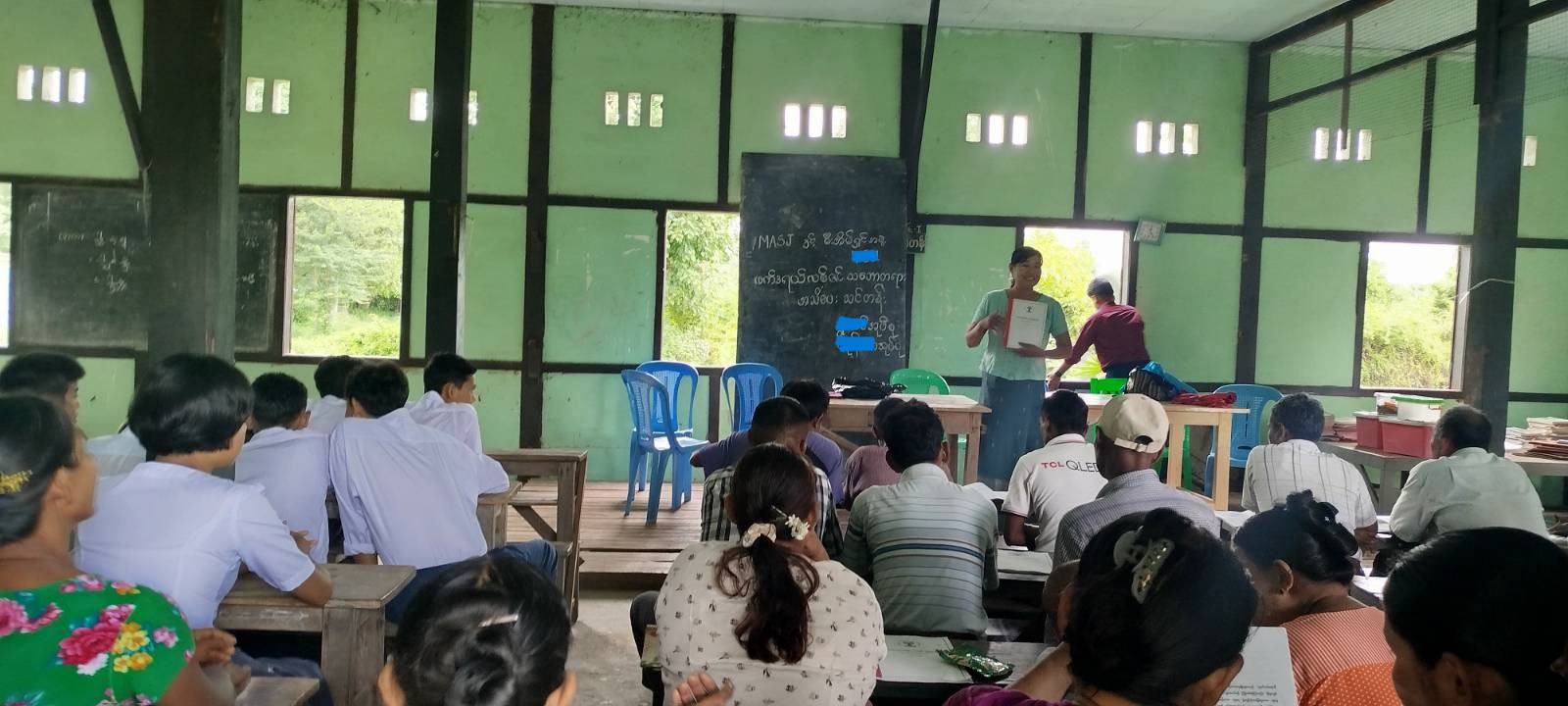
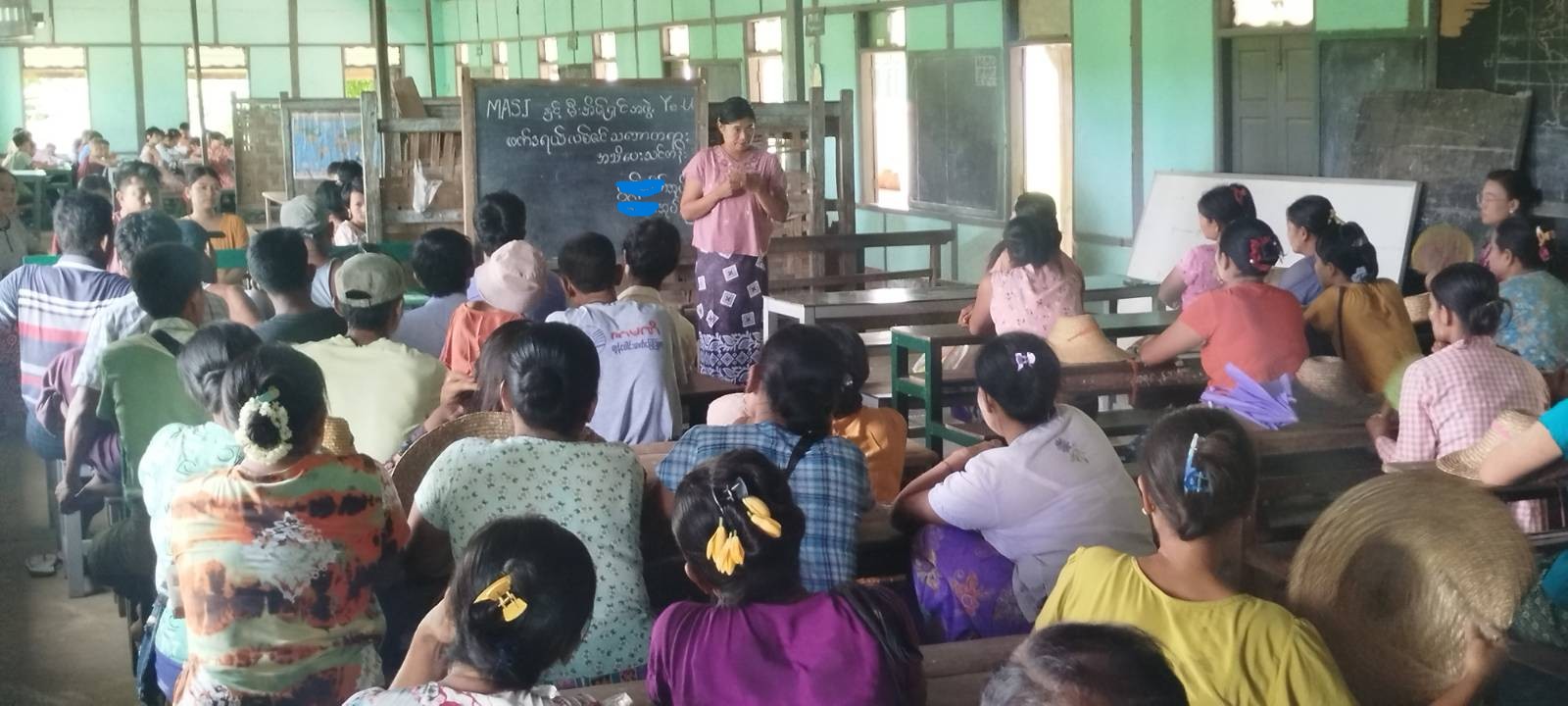
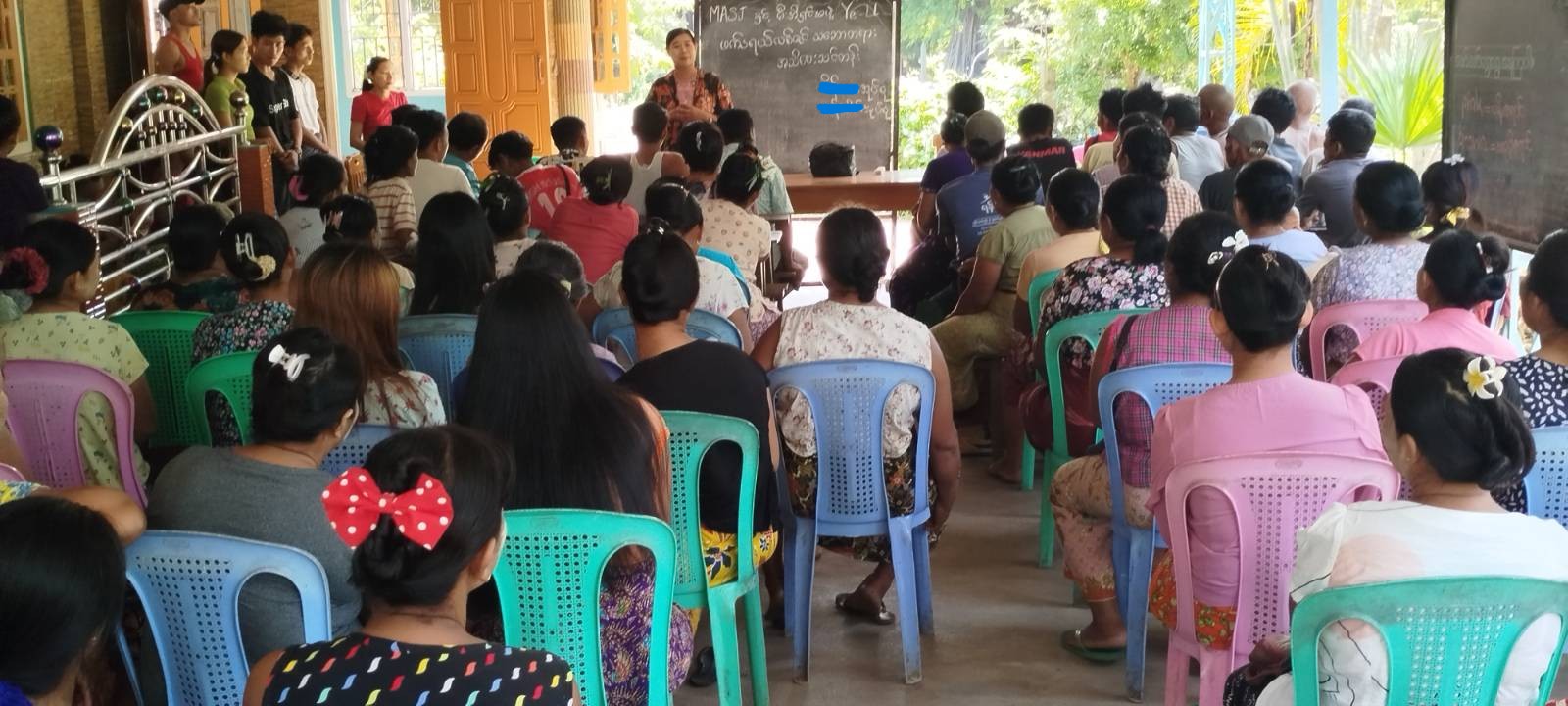
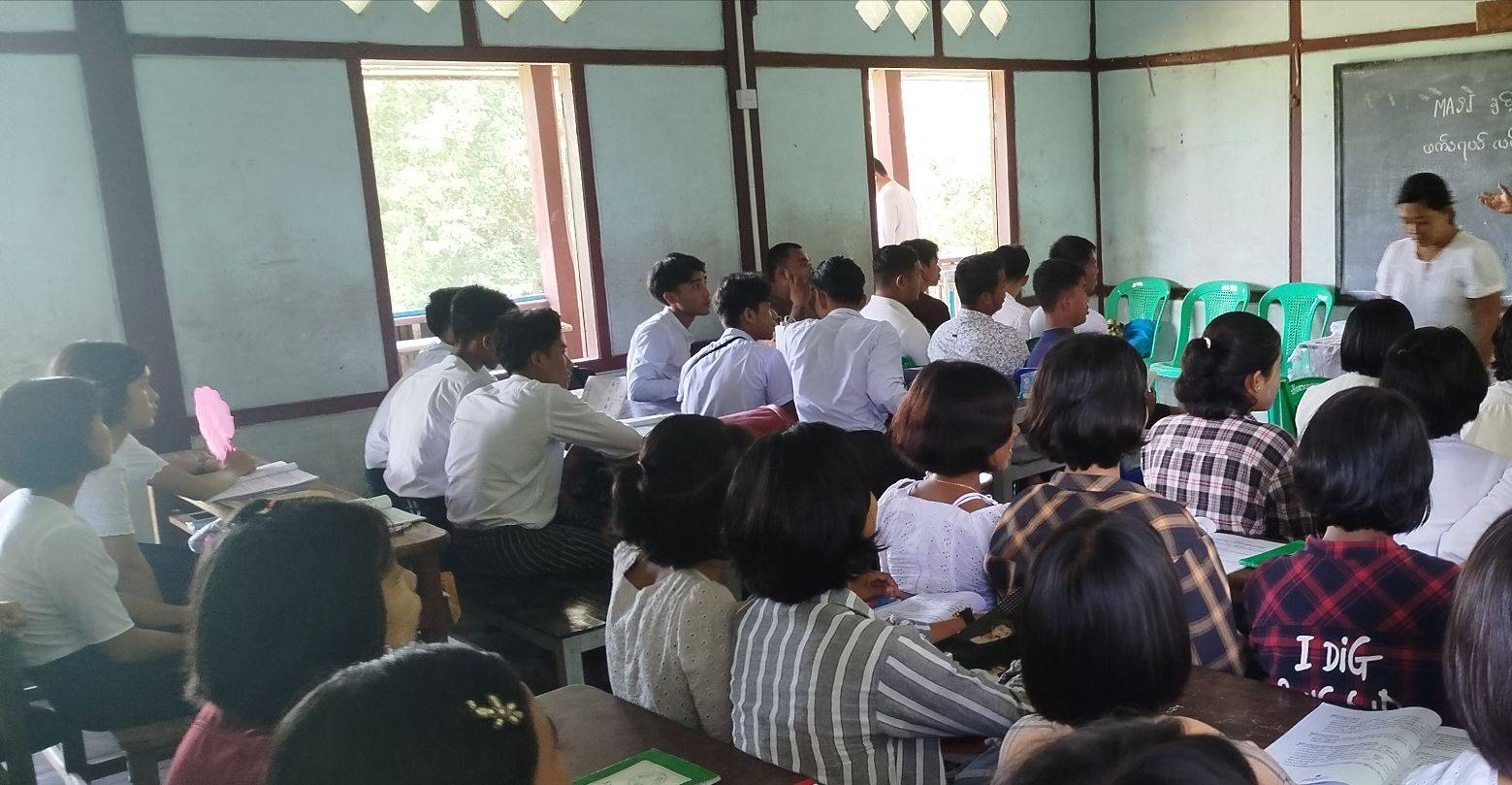
Over the past two years, these collaborations have reached thousands of people across diverse communities, including those in rural and conflict-affected areas. Together, we have supported locally led efforts that help individuals and families navigate risks, care for one another, and adapt to changing circumstances.
Areas of Work
Risk Reduction and Community Safety
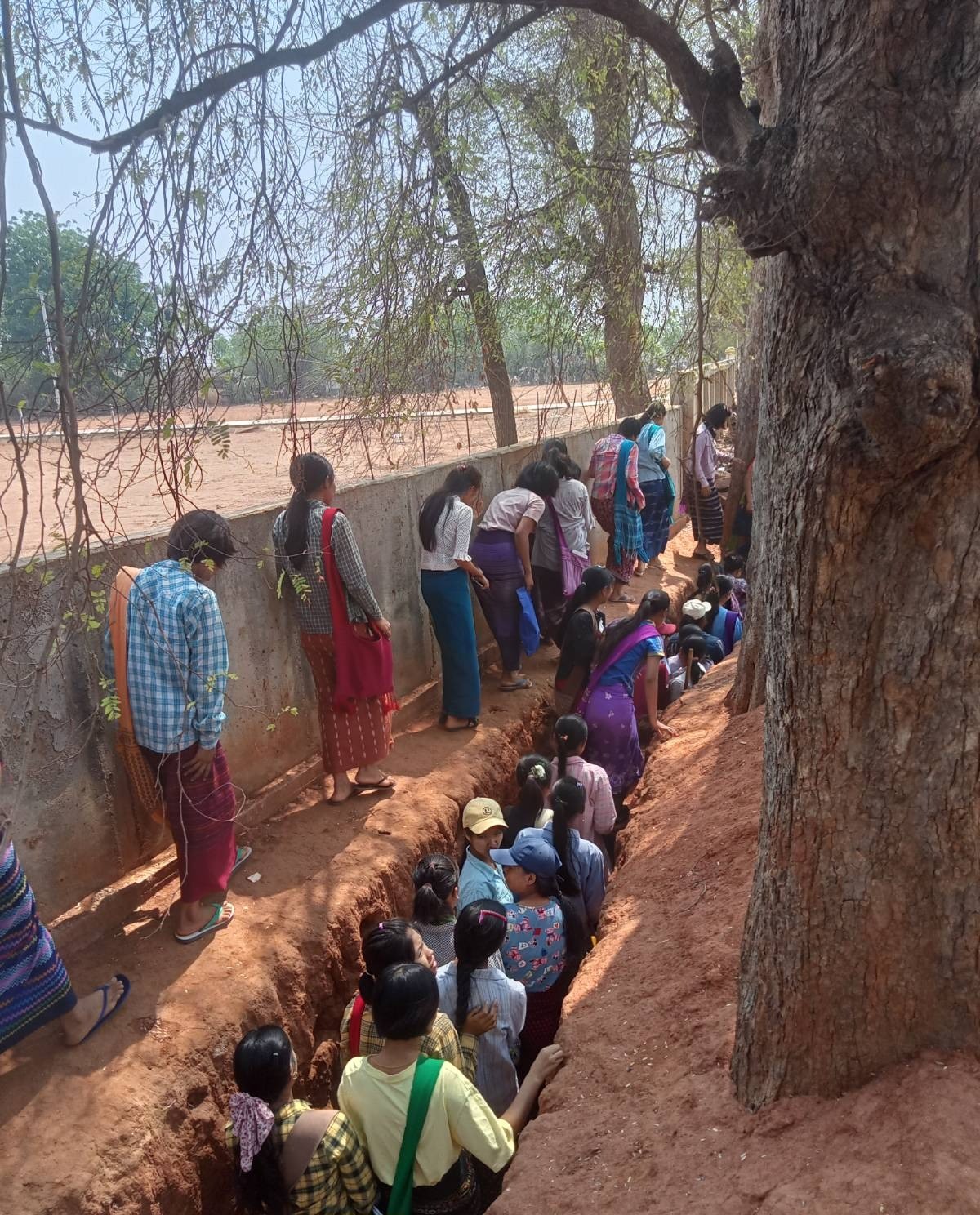
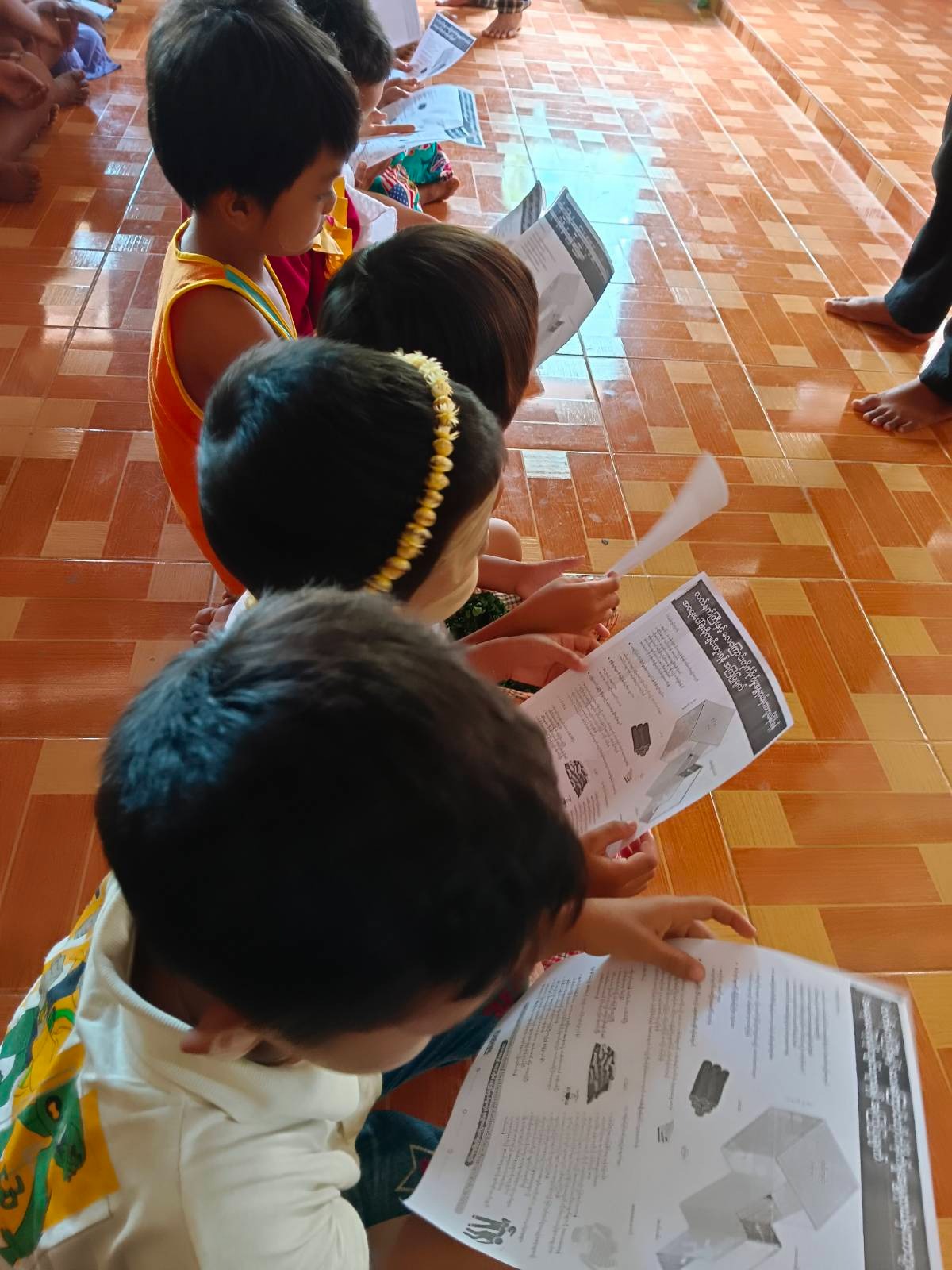
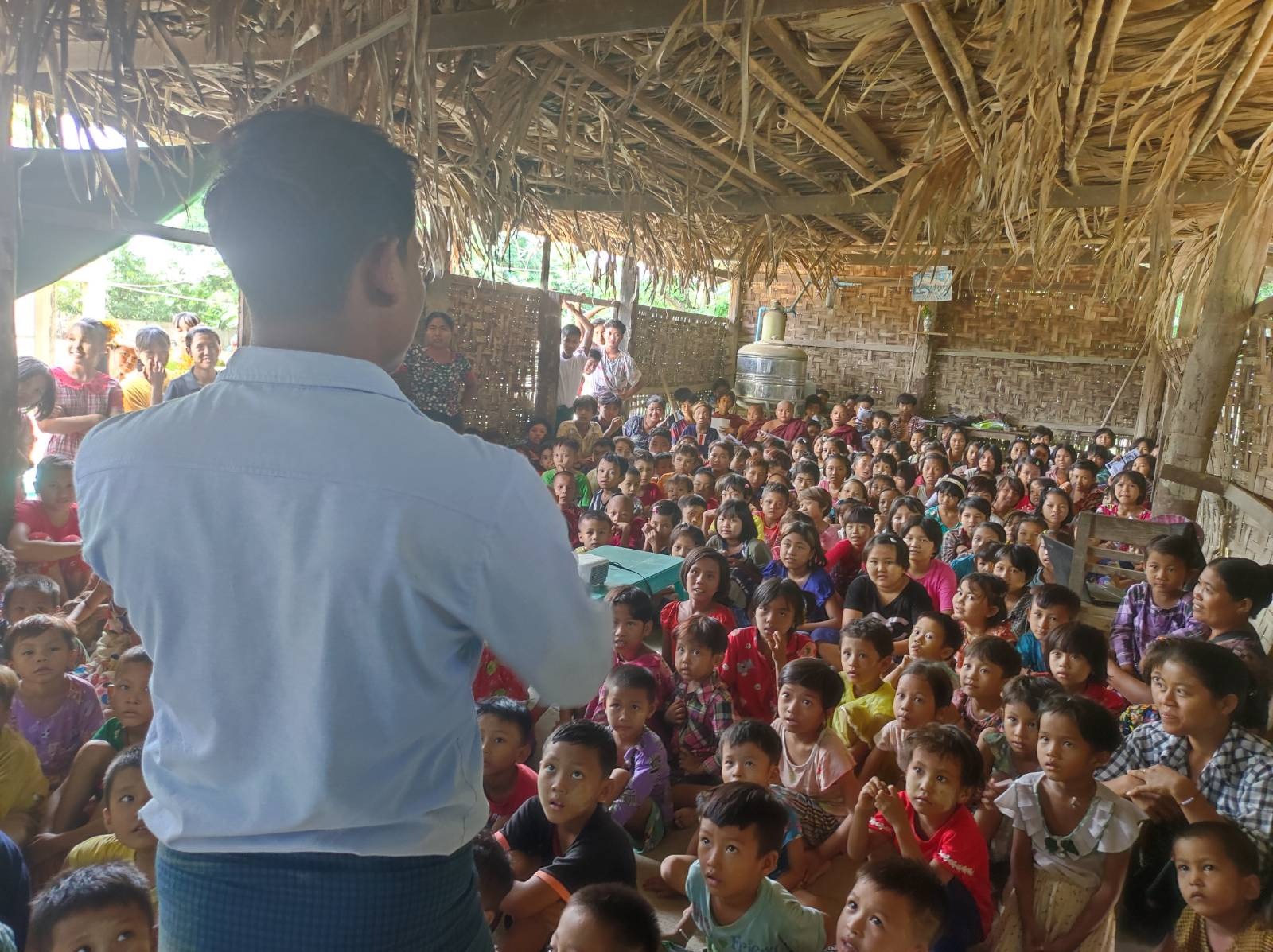
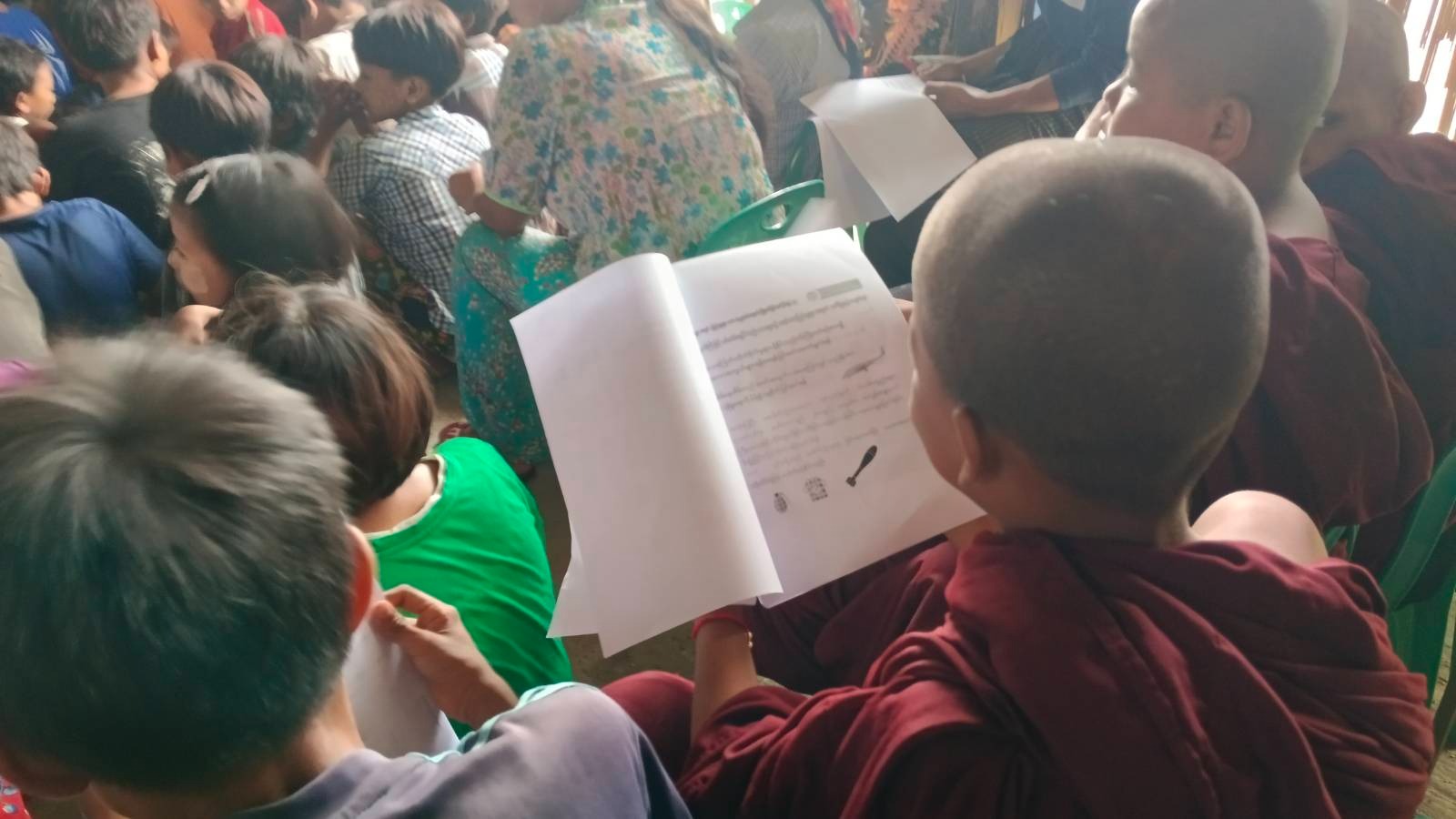
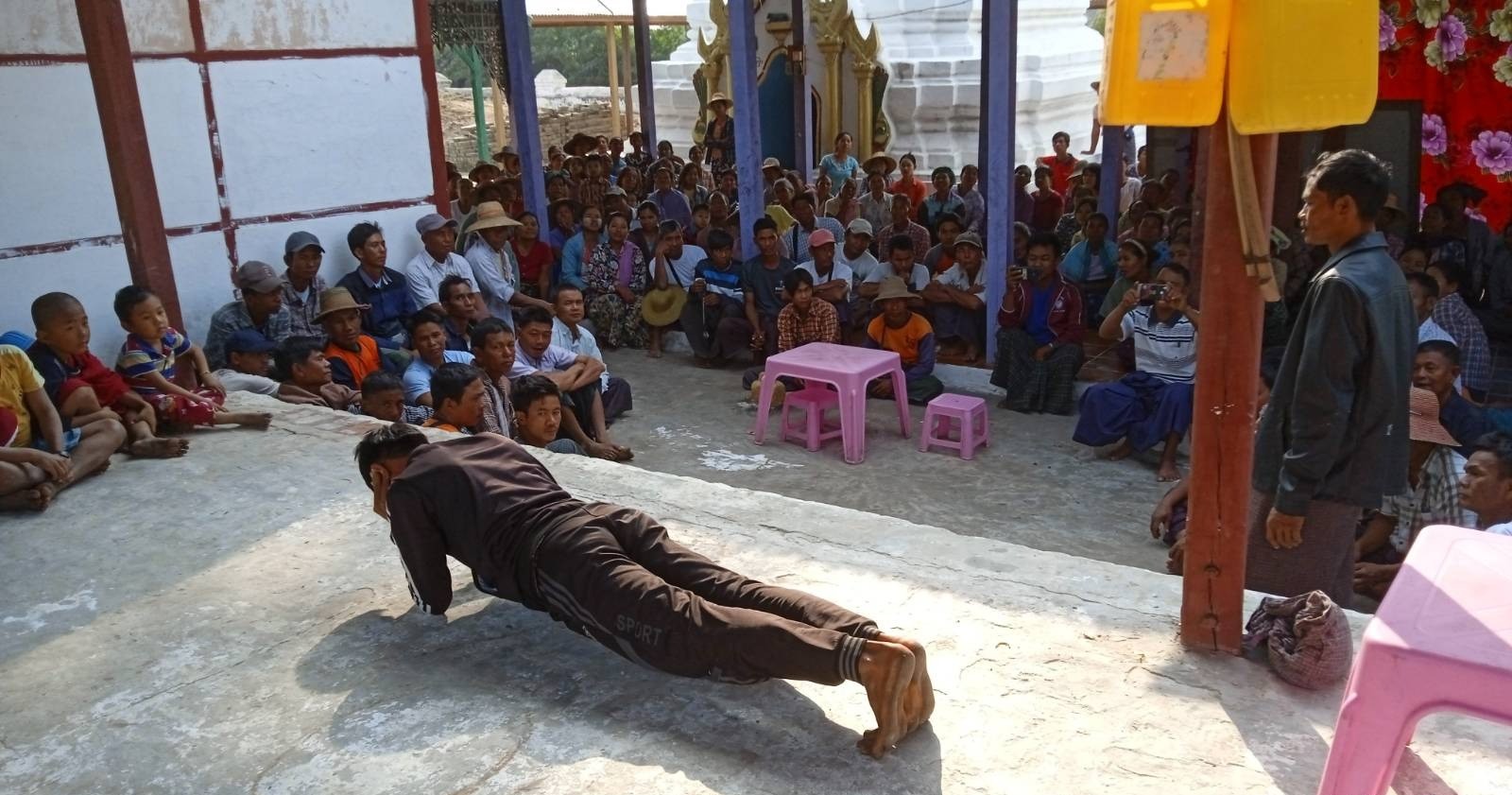
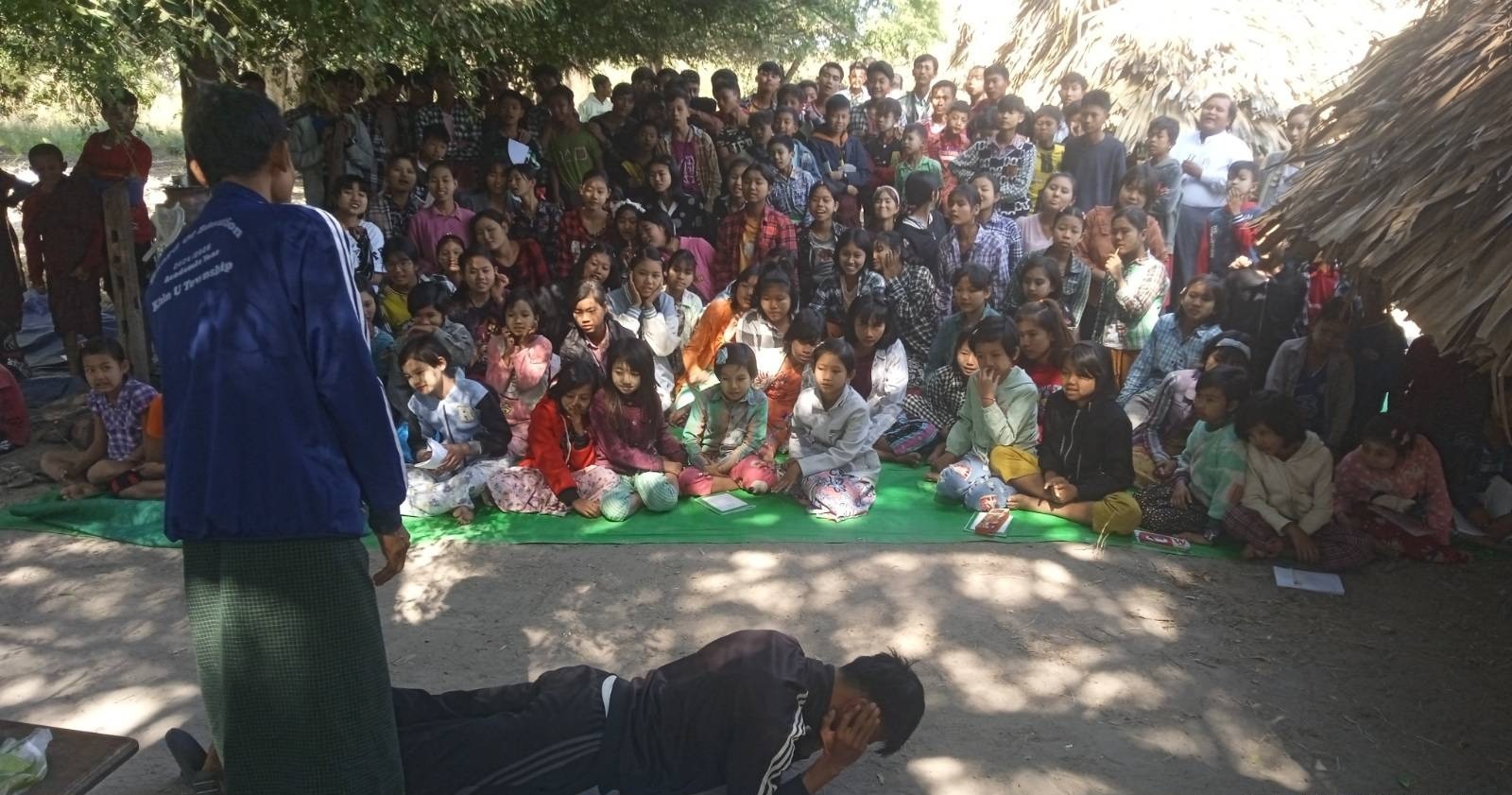
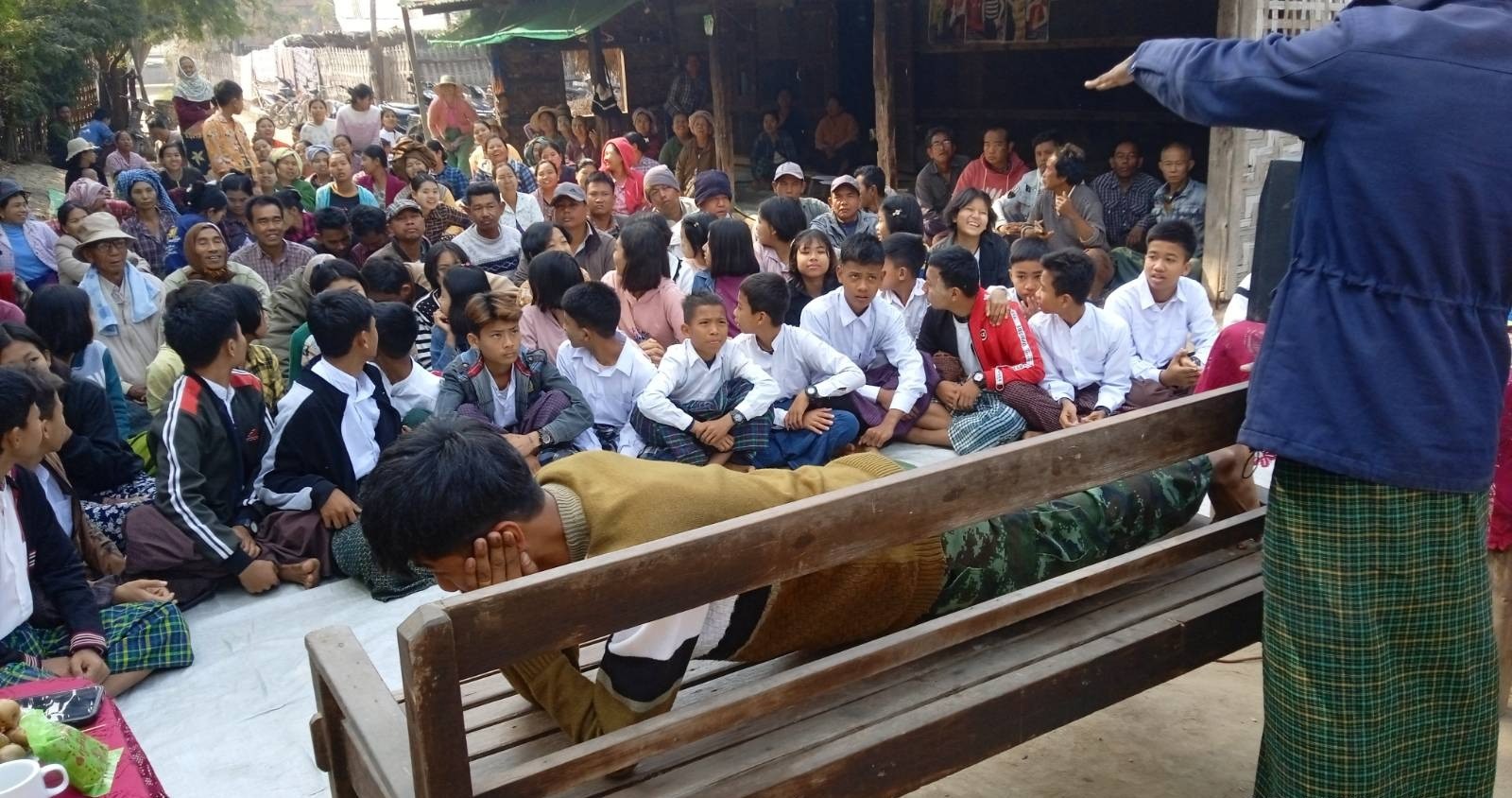
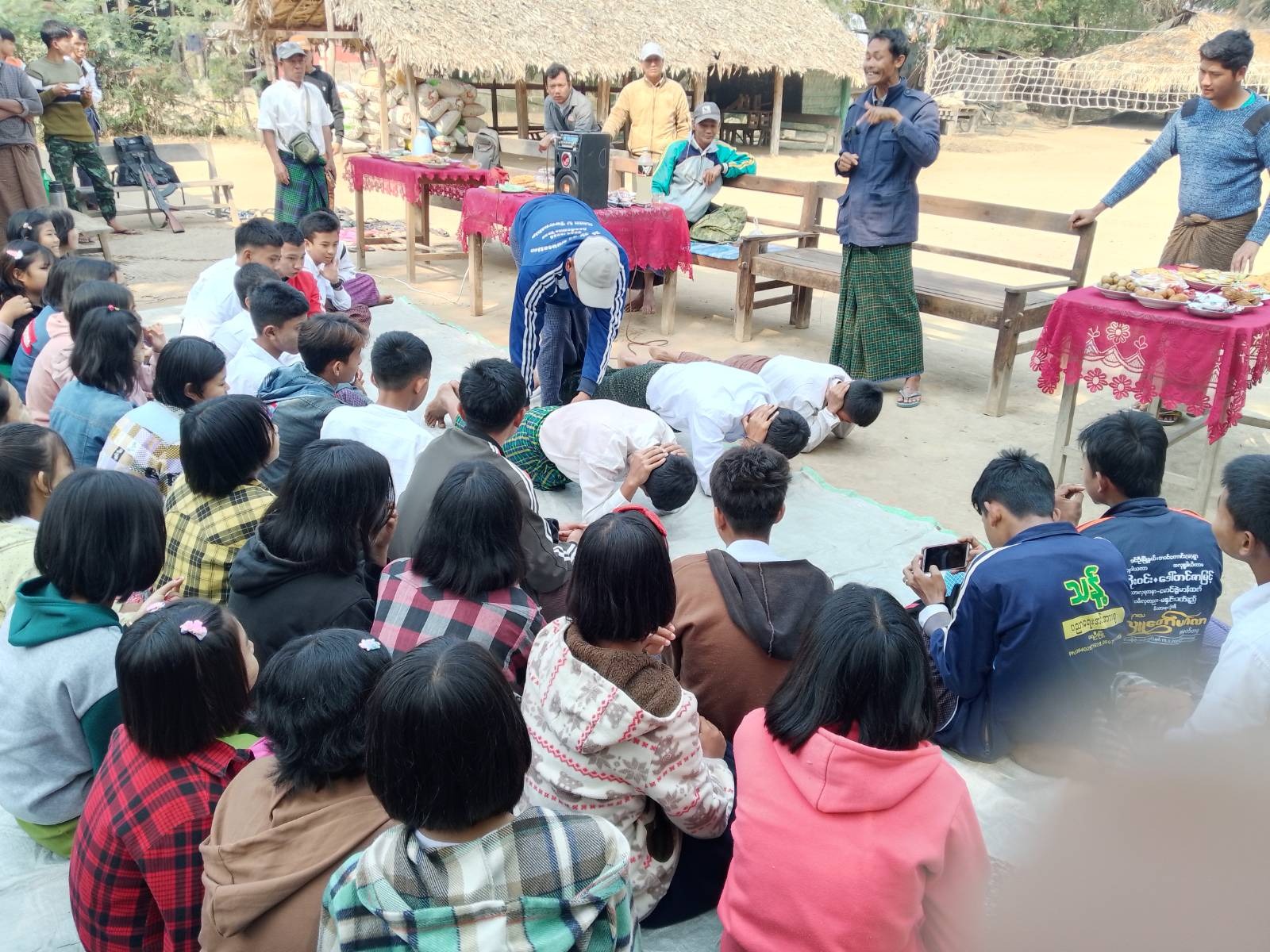
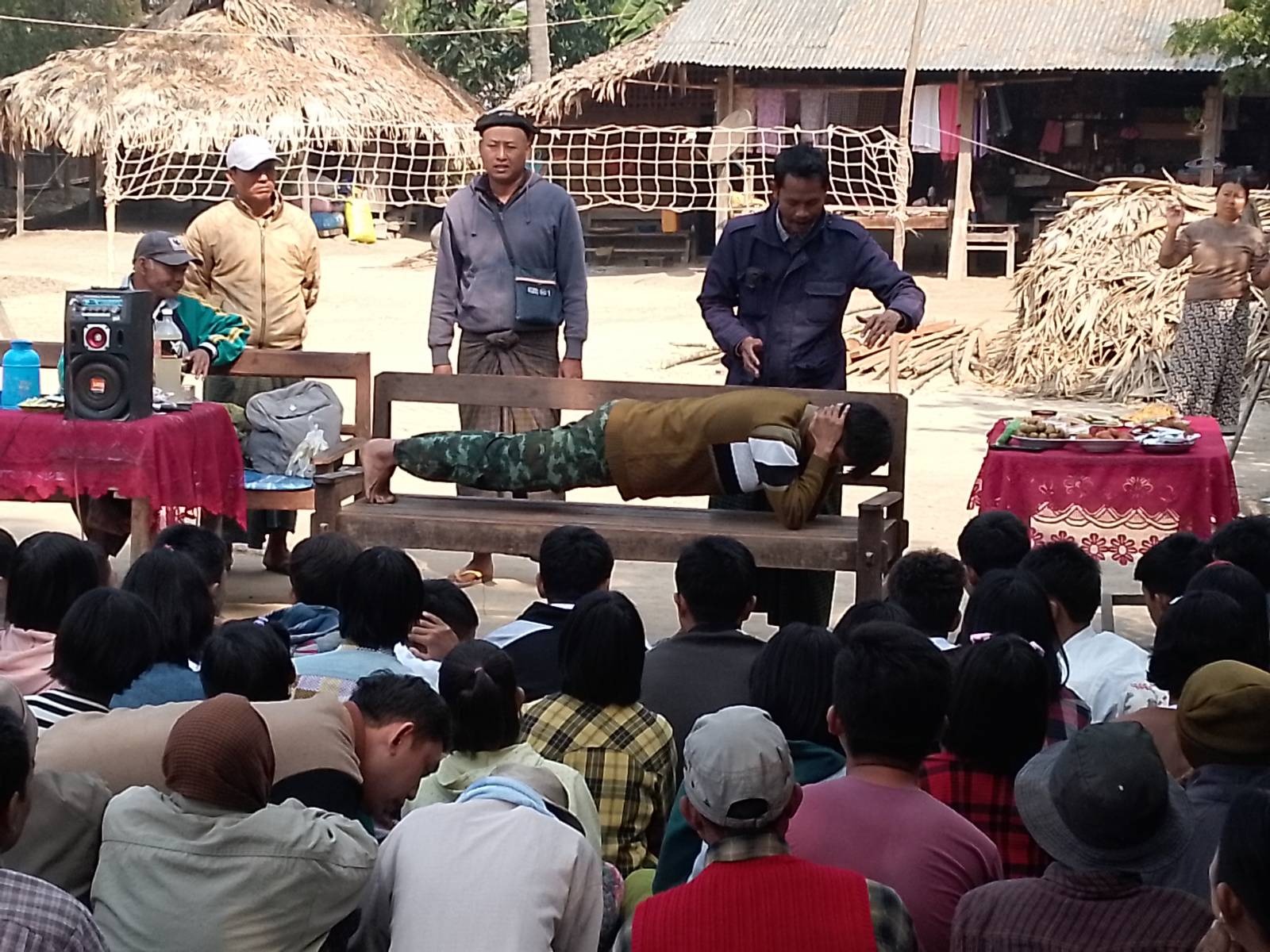
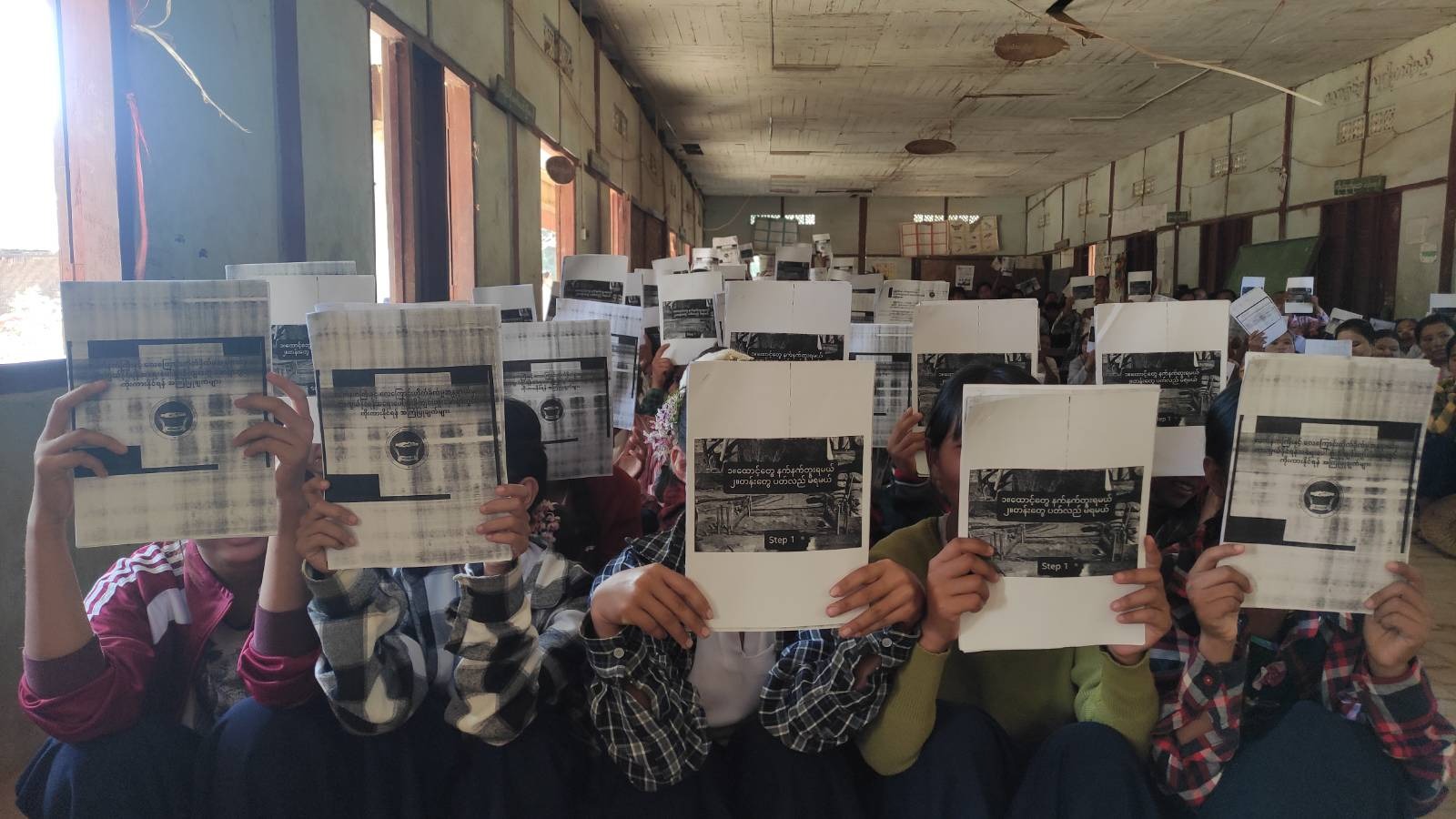
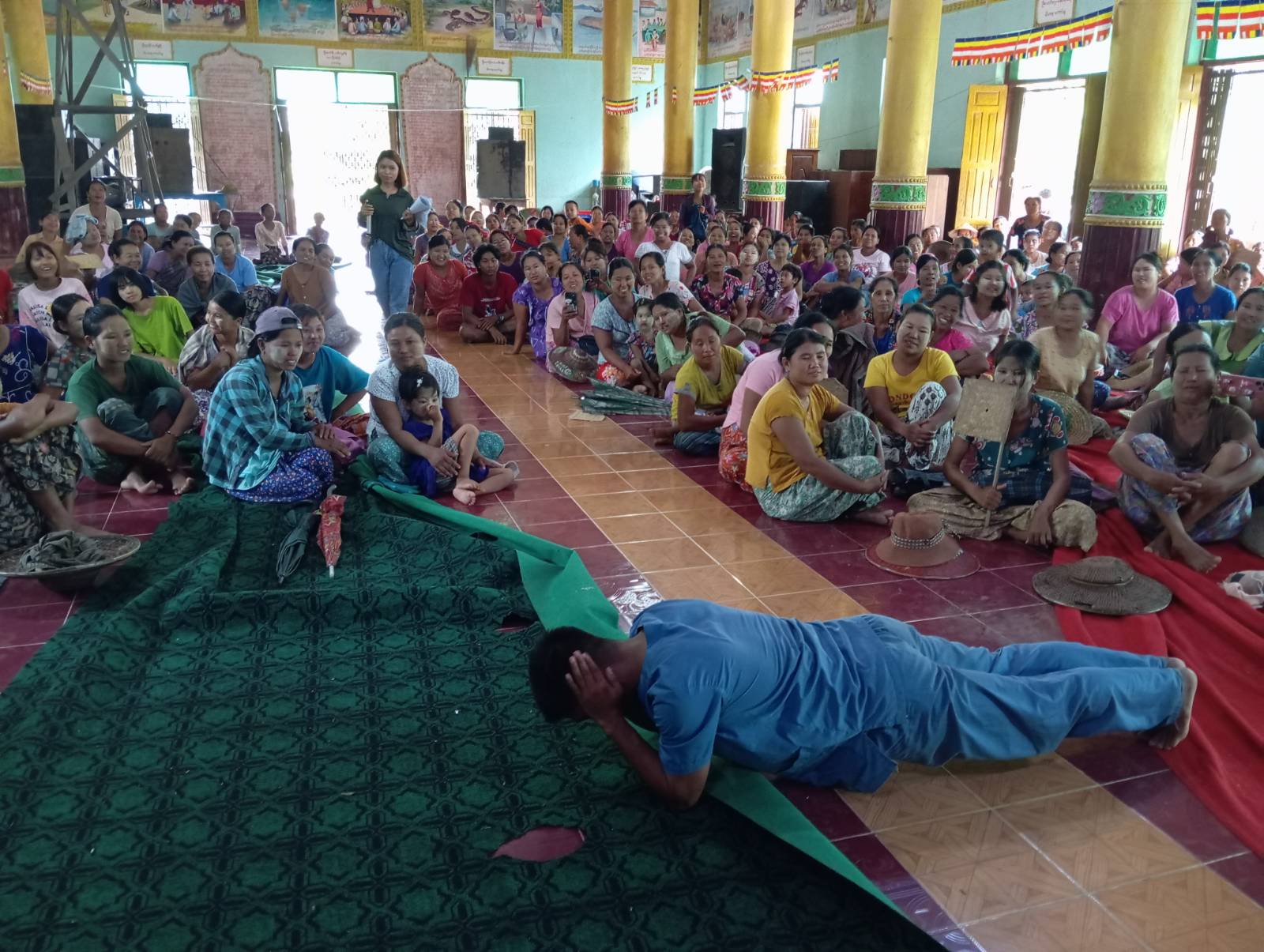
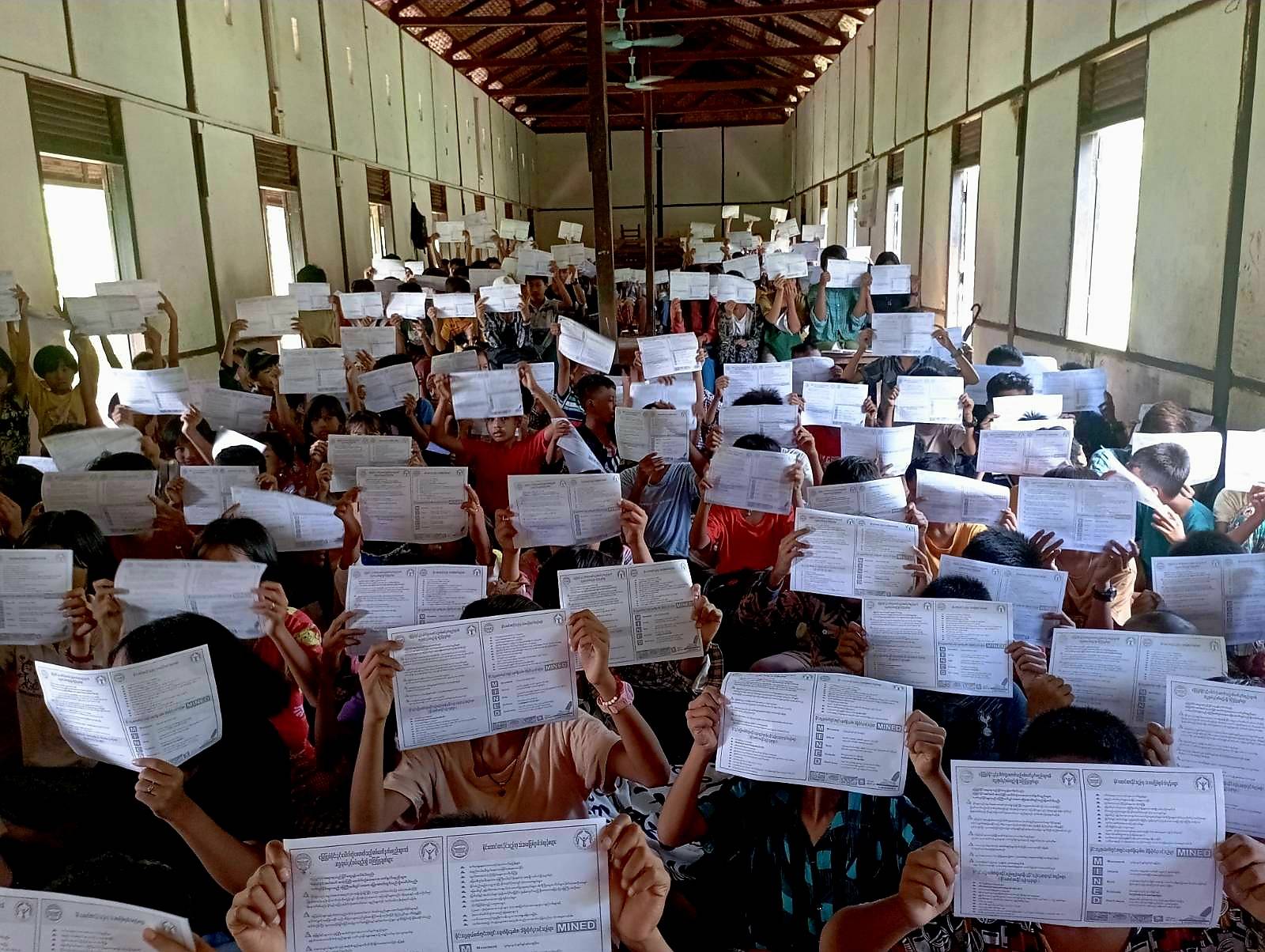
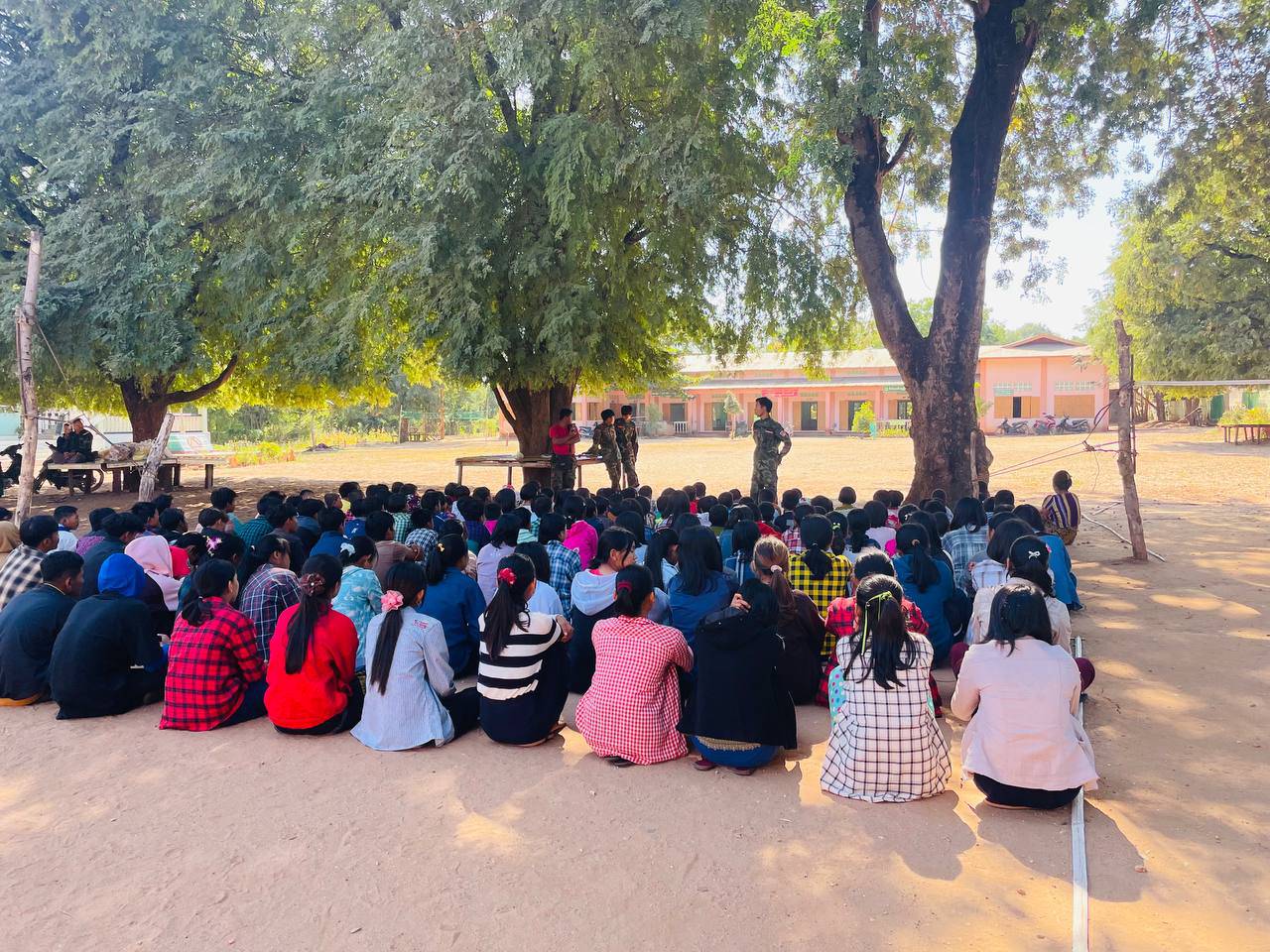
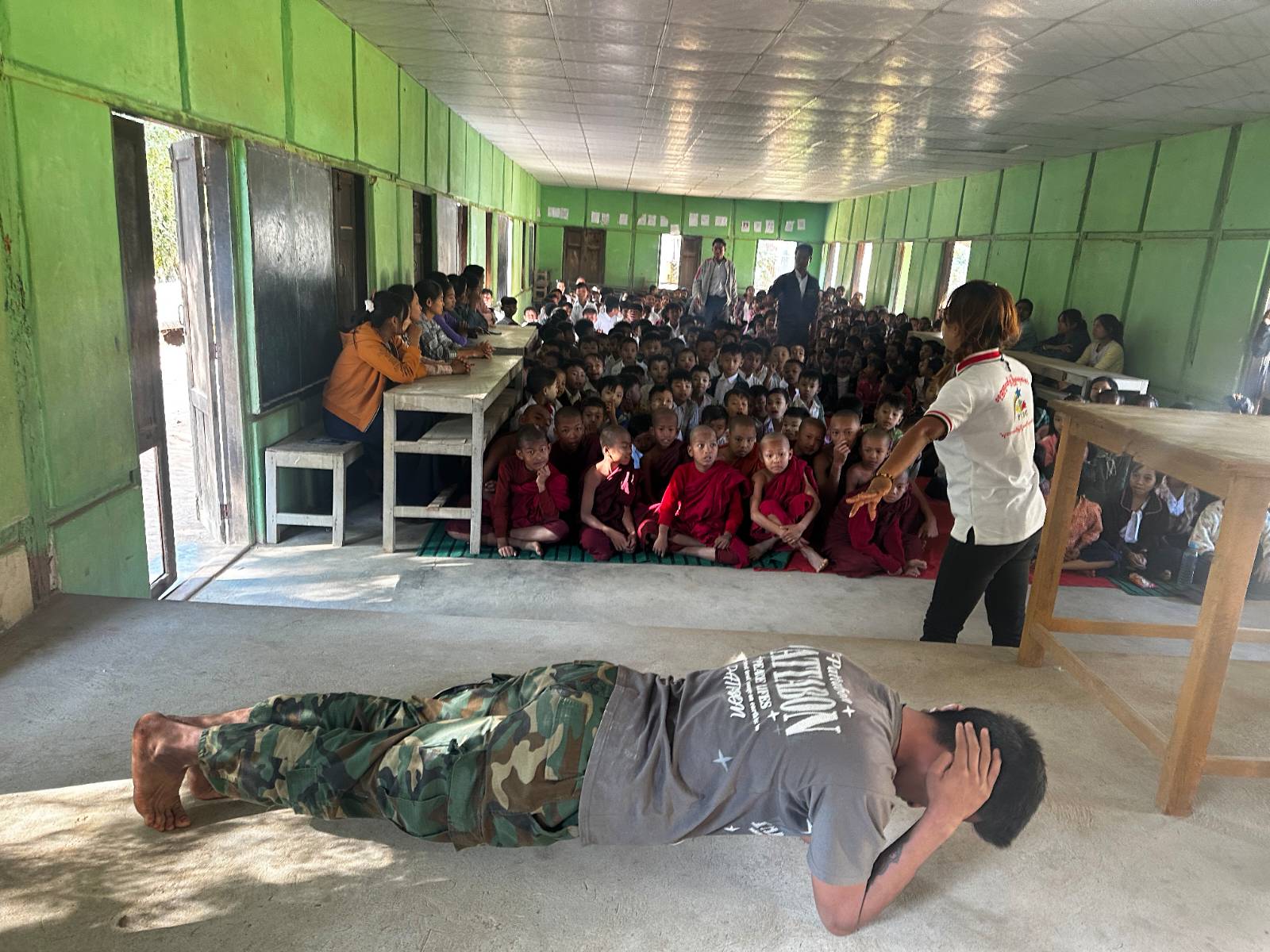
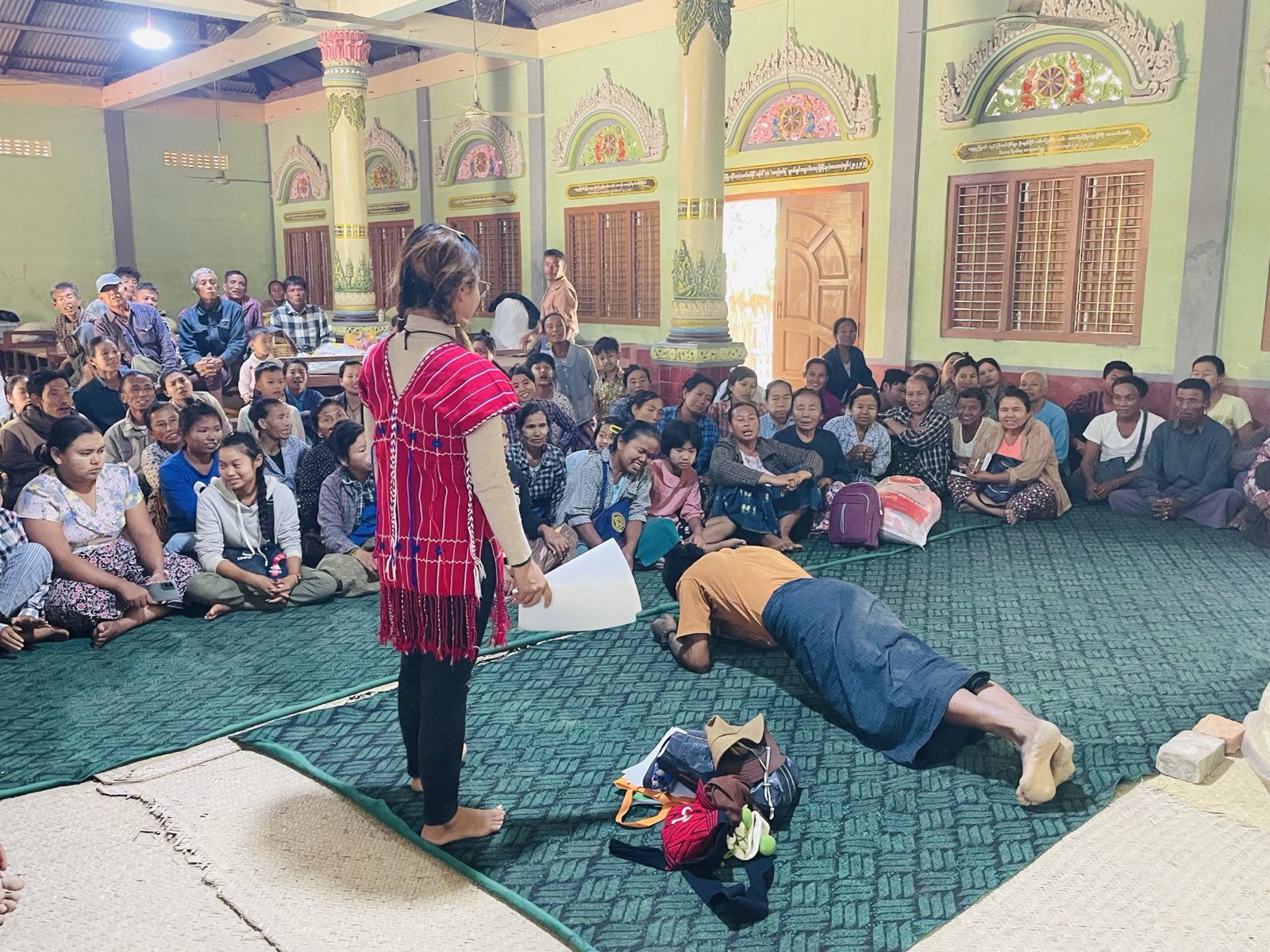
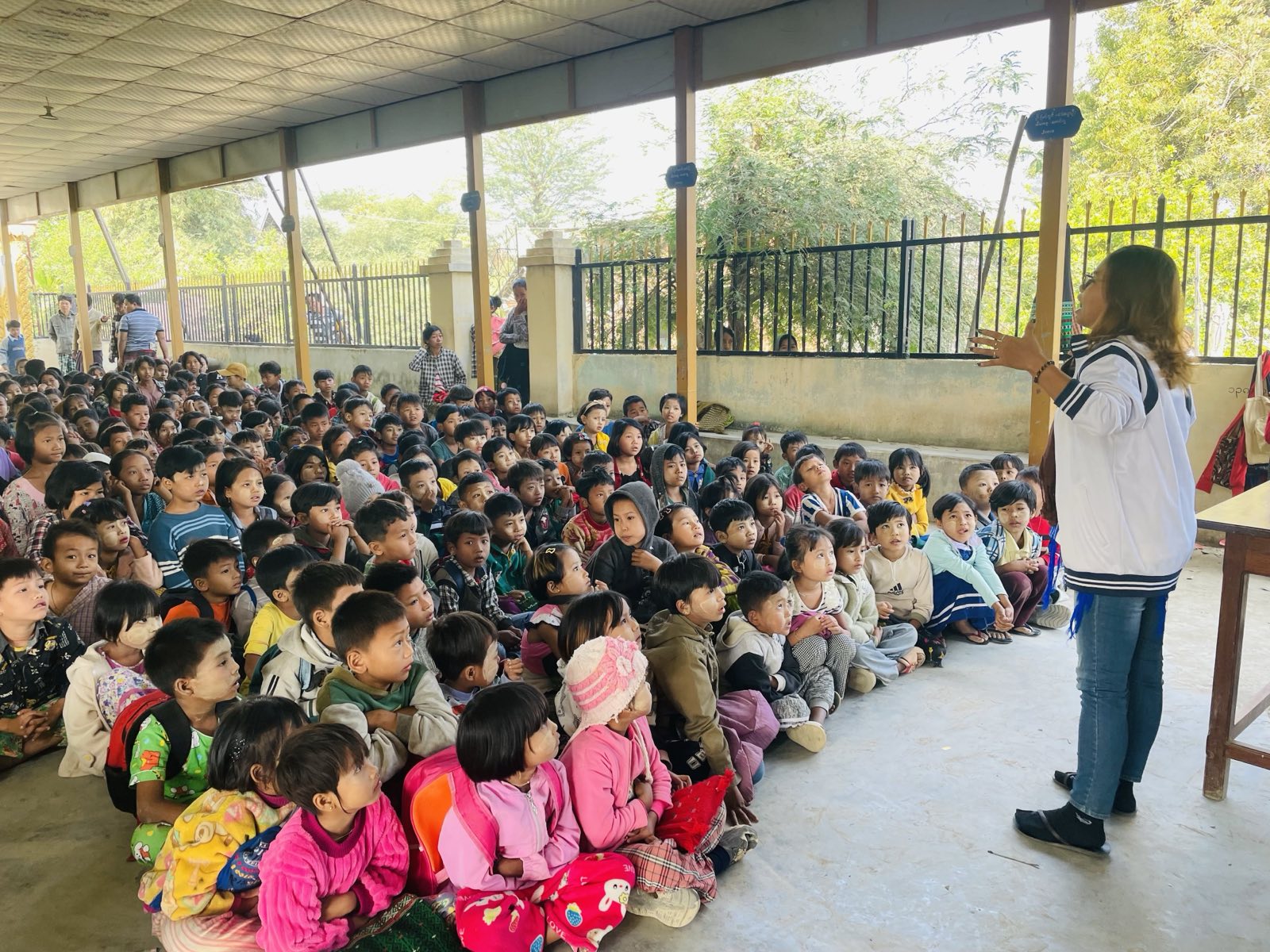
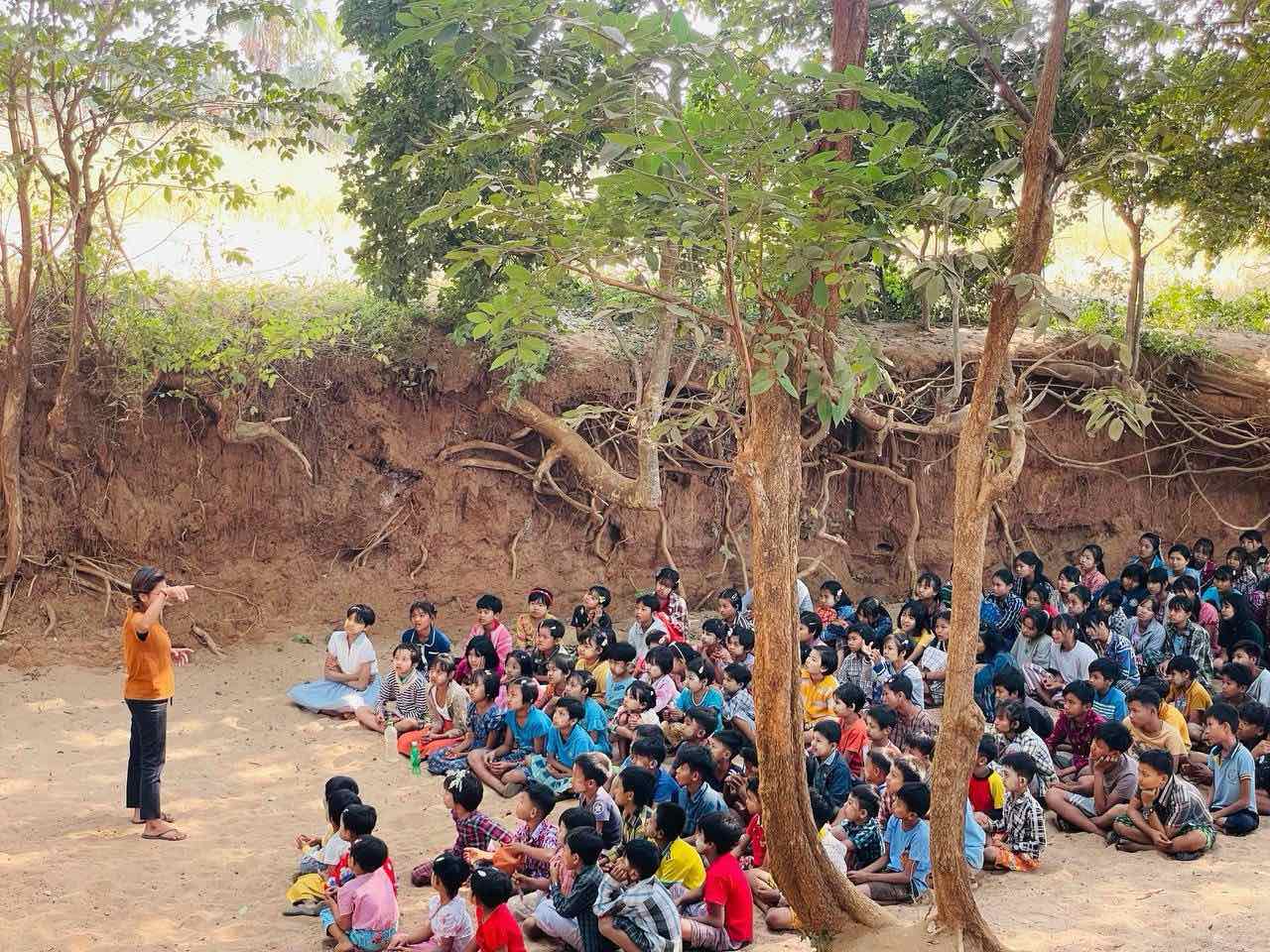
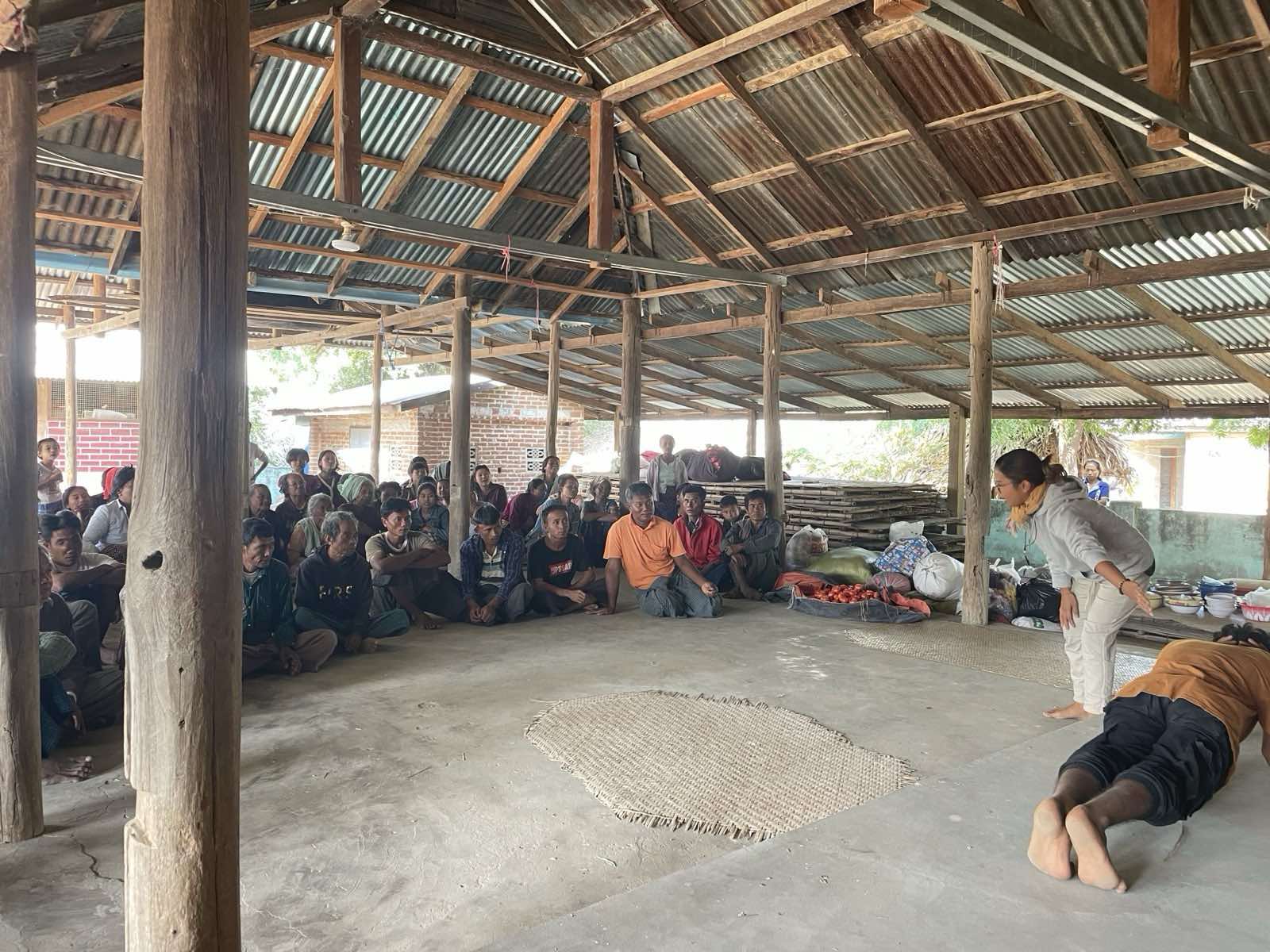
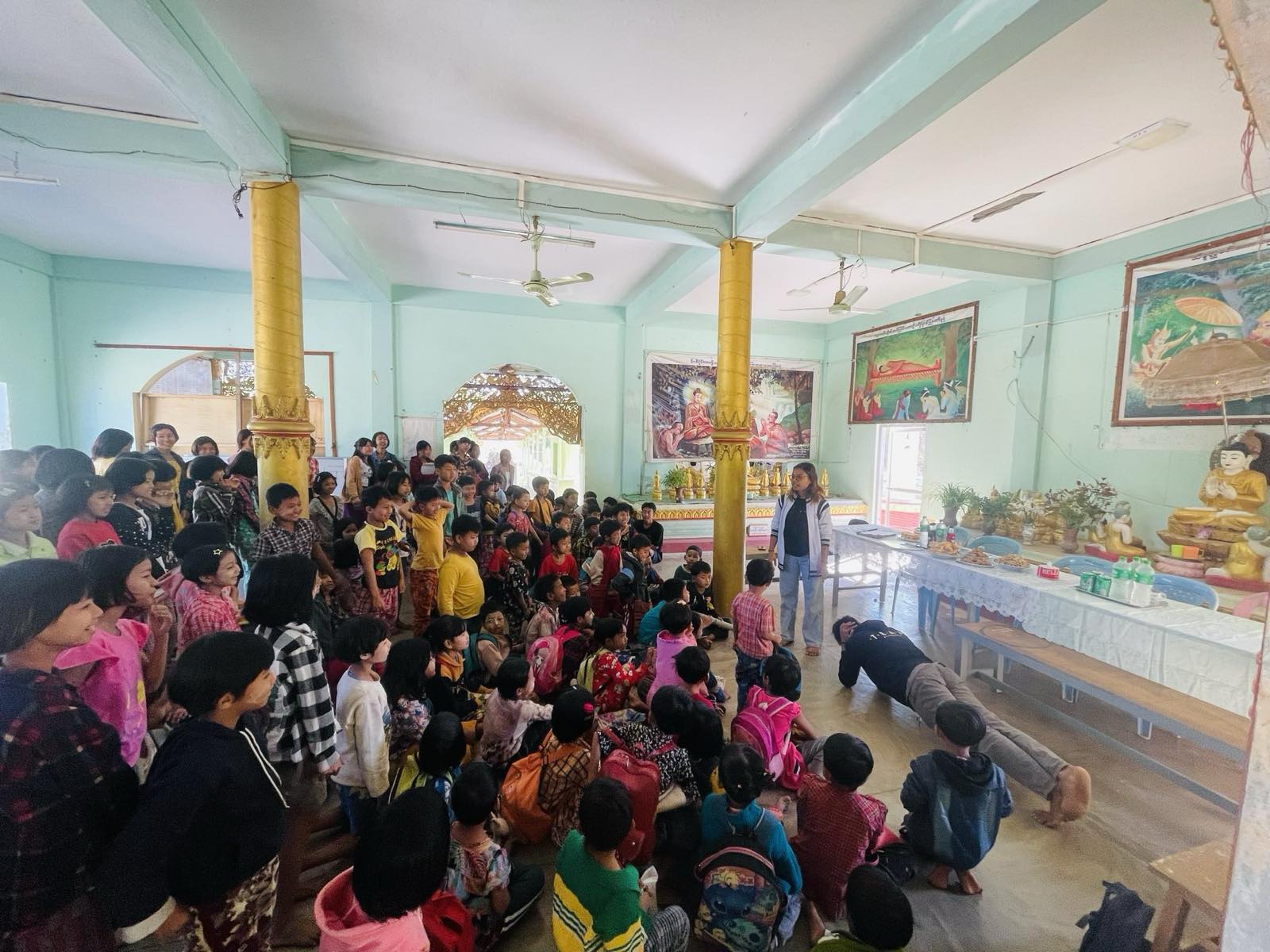
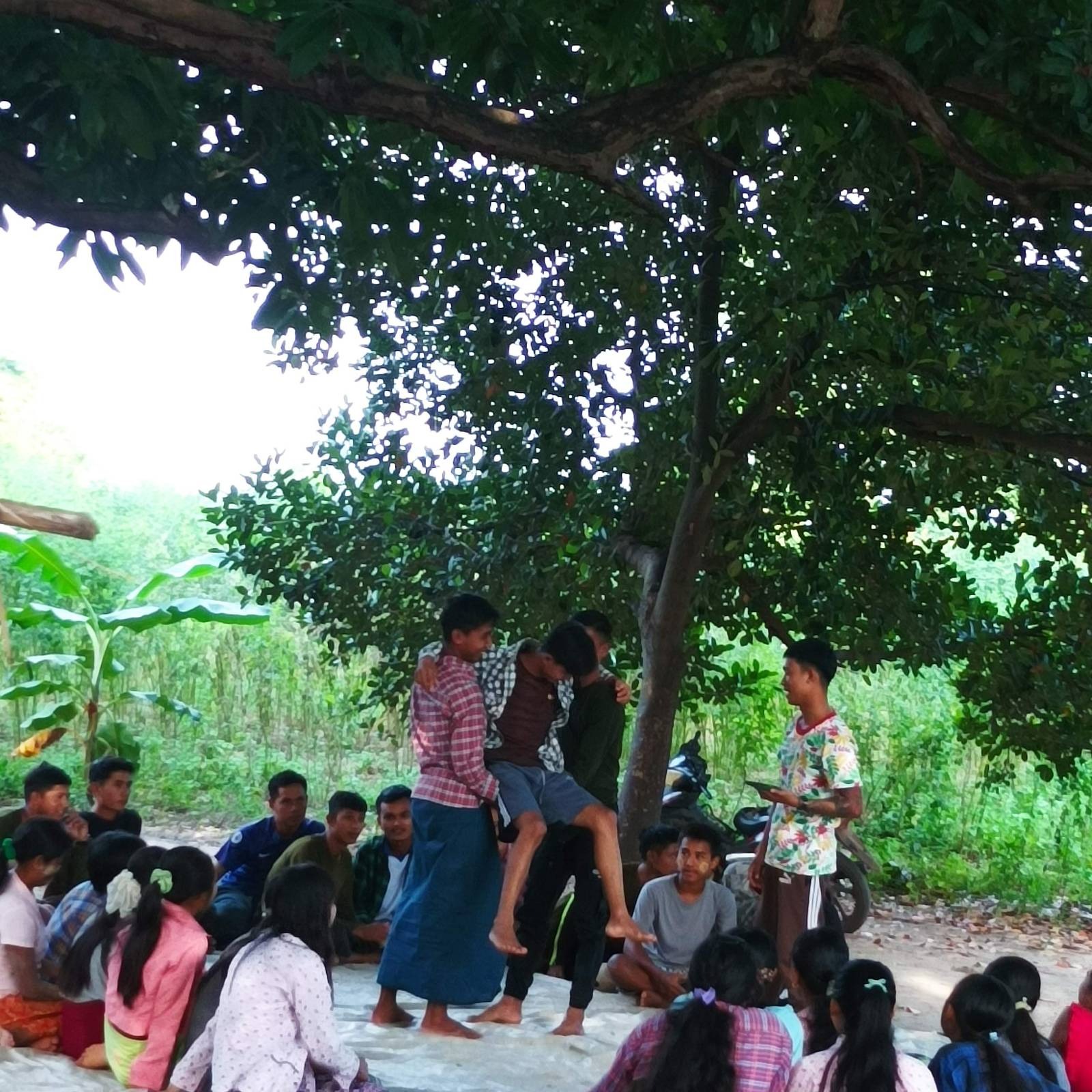
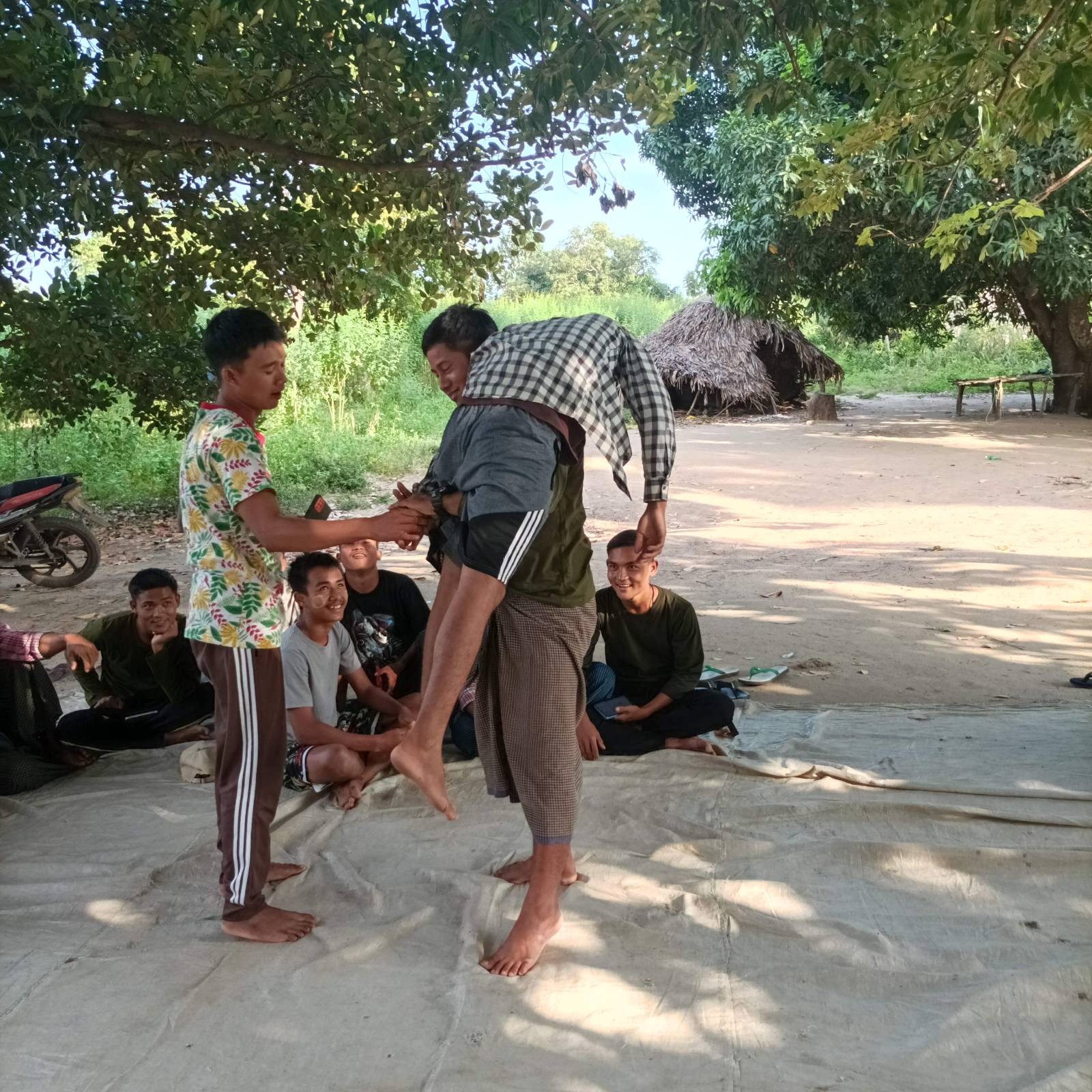
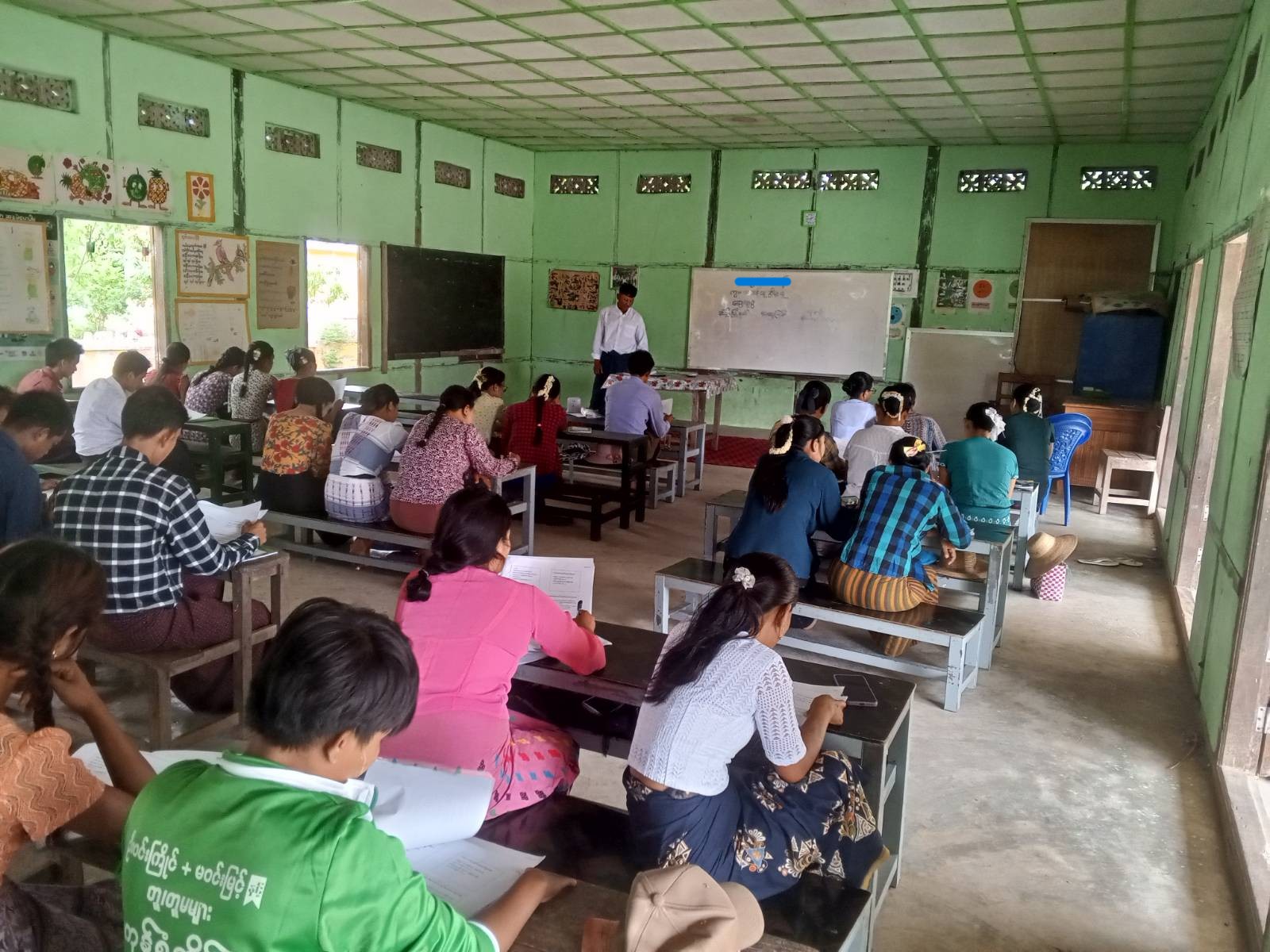
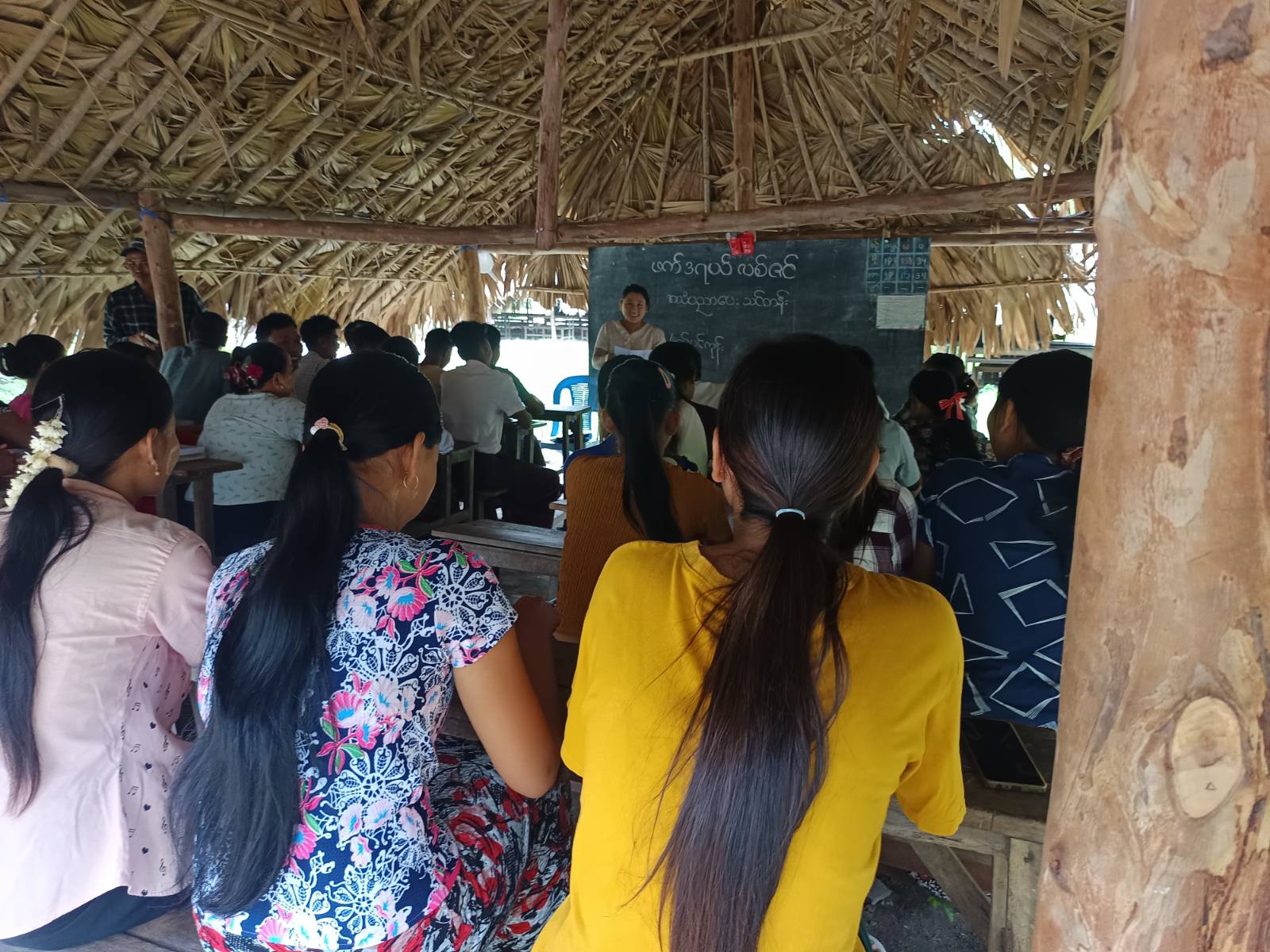
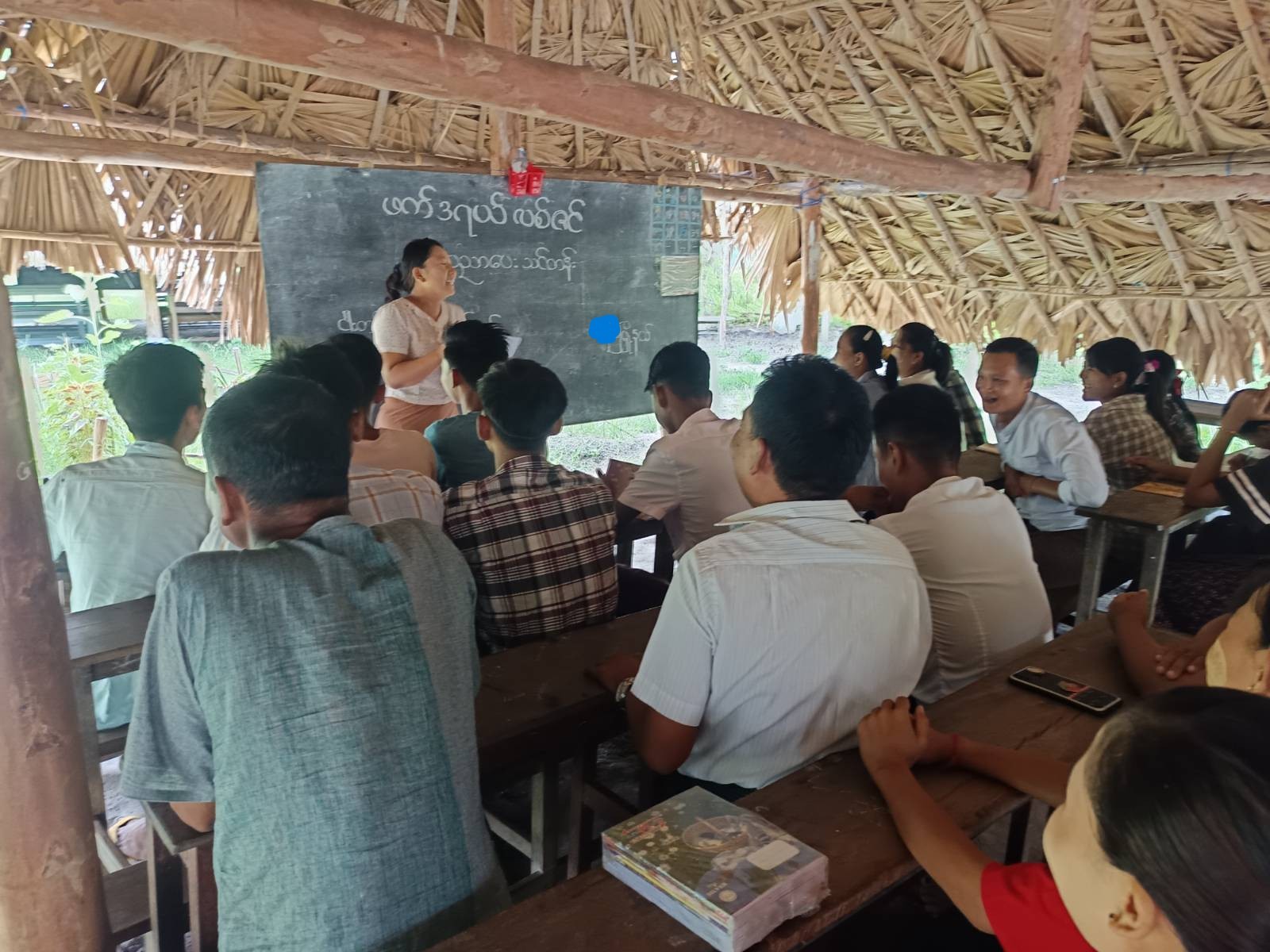
In areas affected by conflict, everyday safety is a constant concern. We work with communities to share practical approaches that help reduce risks related to landmines, armed conflict, and aerial threats.
These sessions build on local awareness while strengthening practical skills that people can apply in real-life situations — helping individuals, families, and communities stay safer in uncertain environments.



Health and Well-being
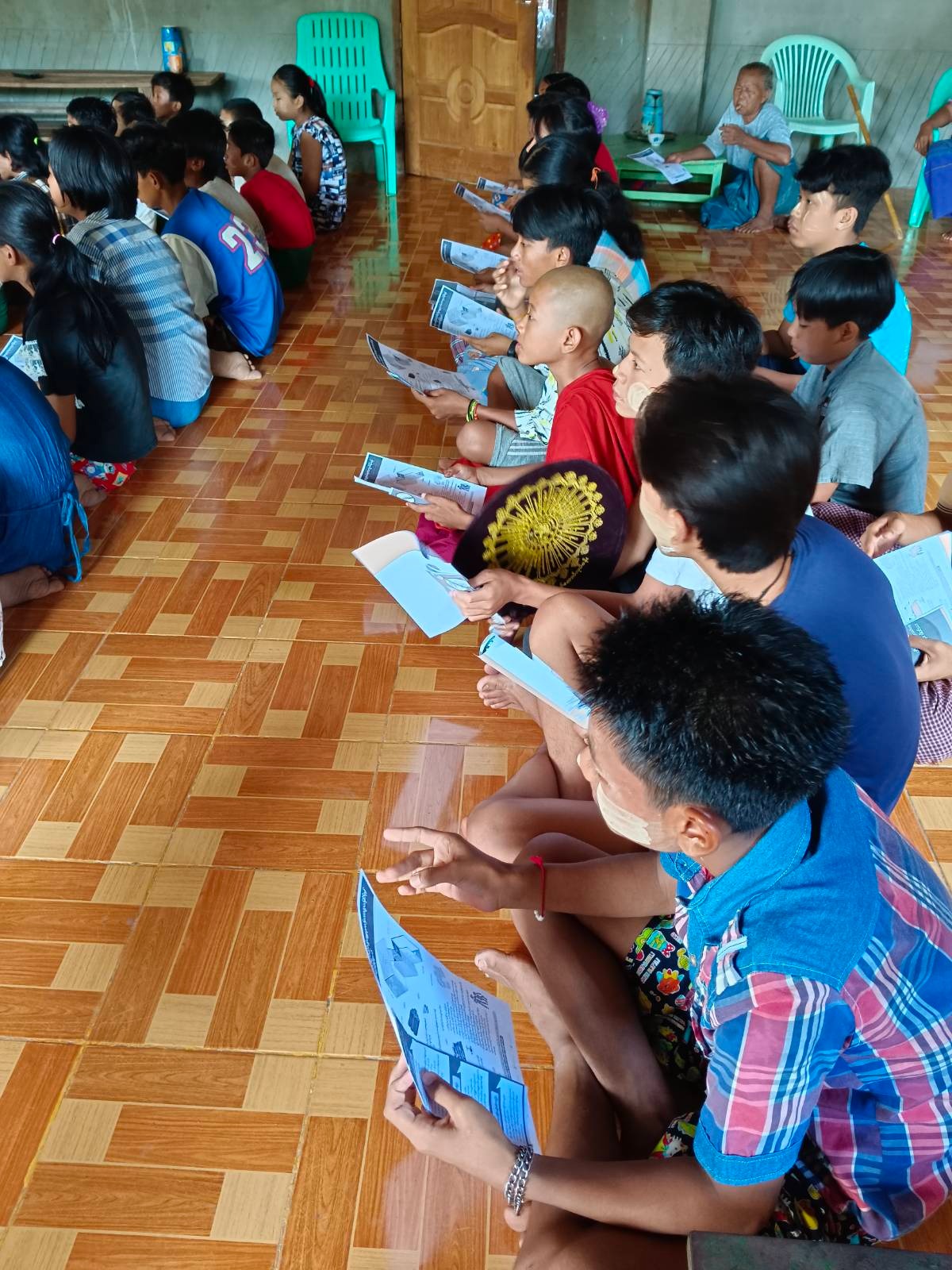
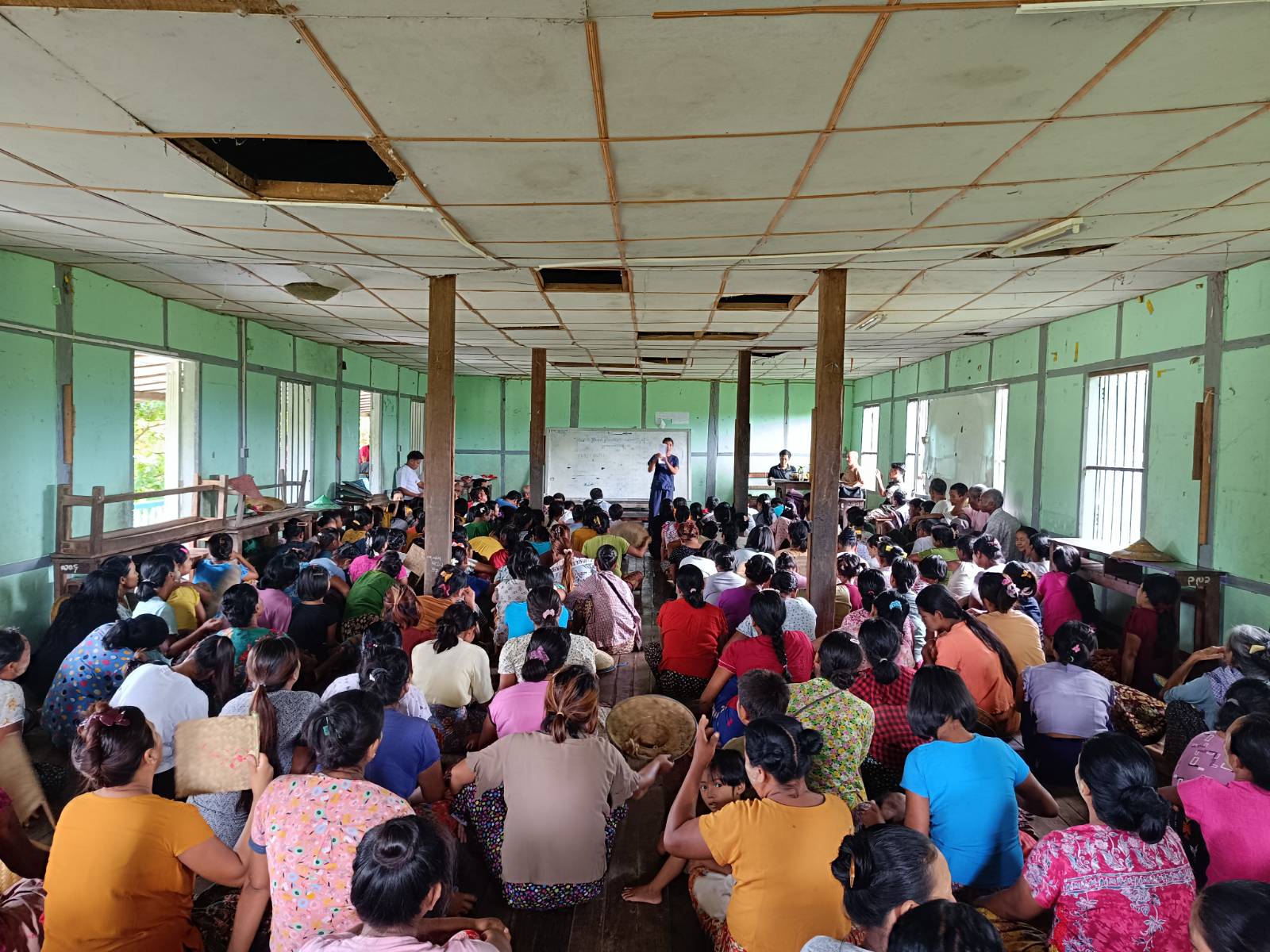
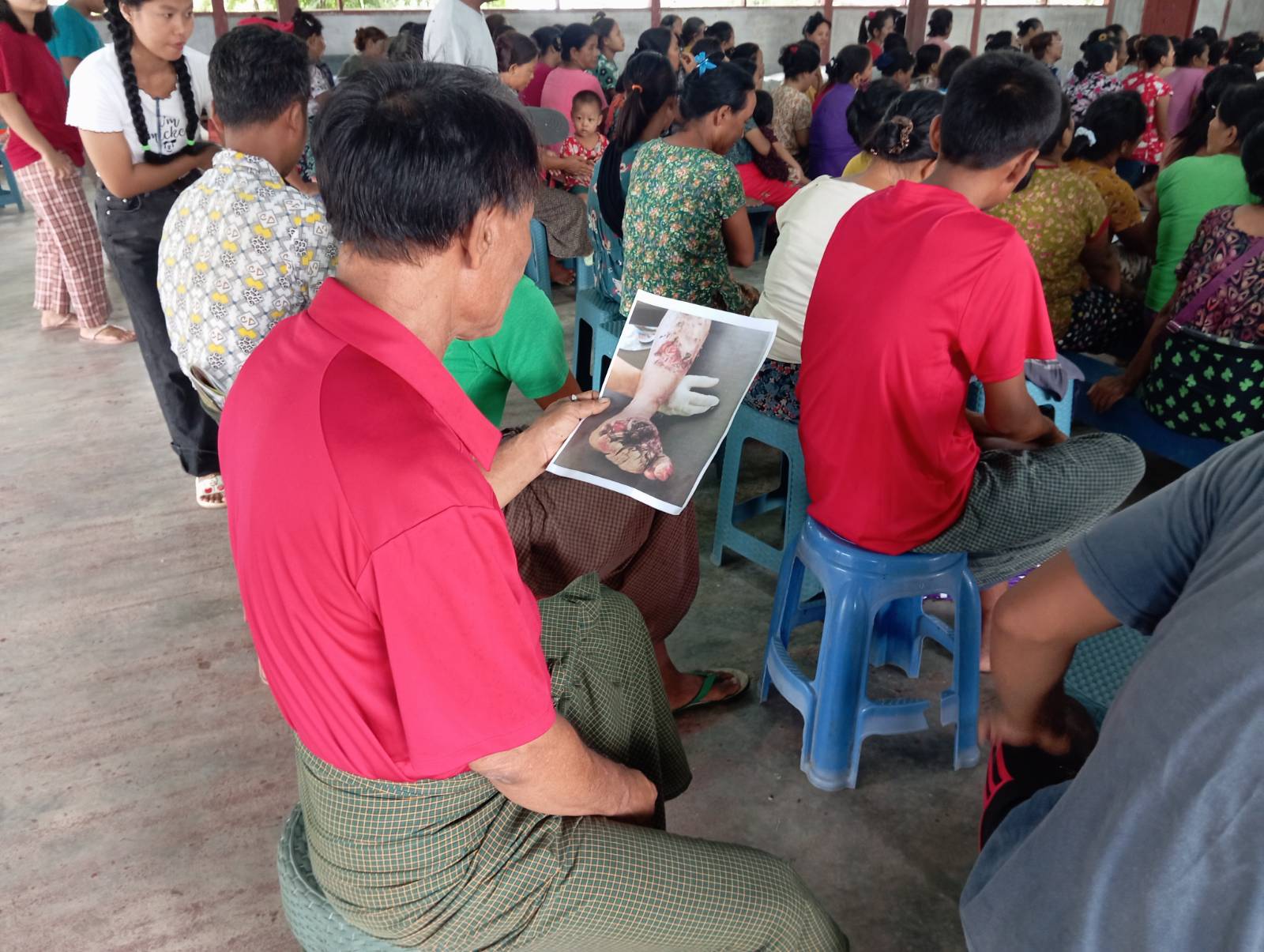
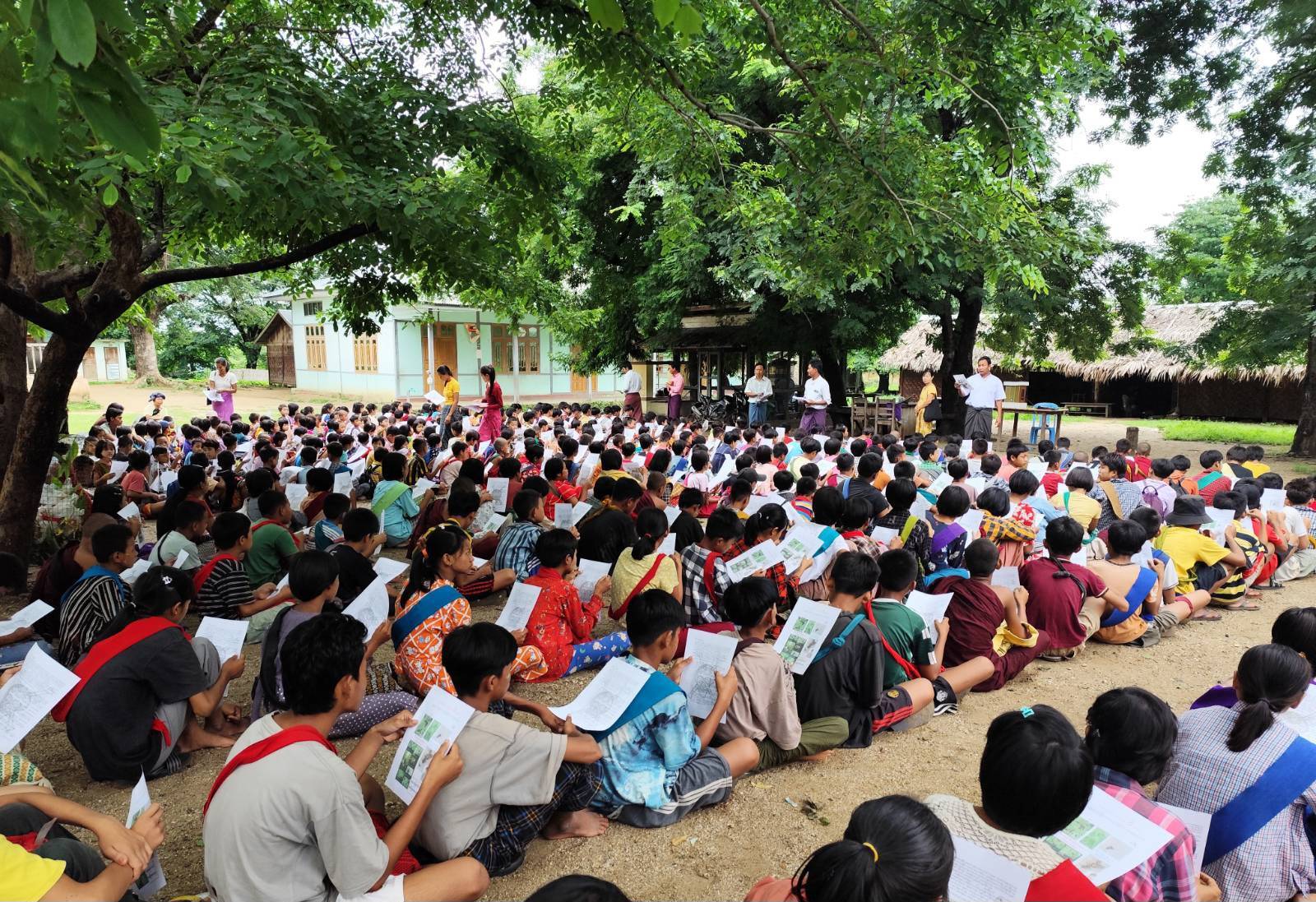
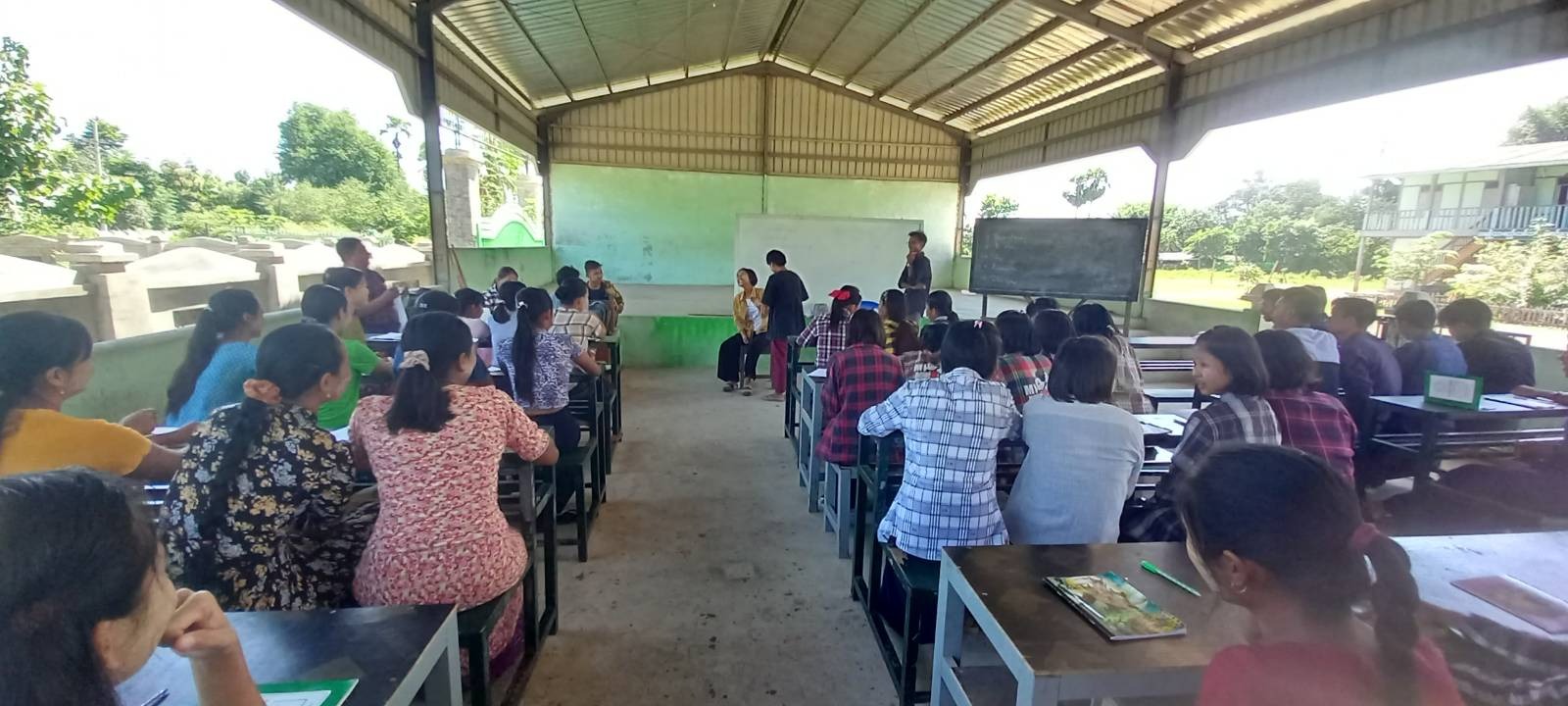
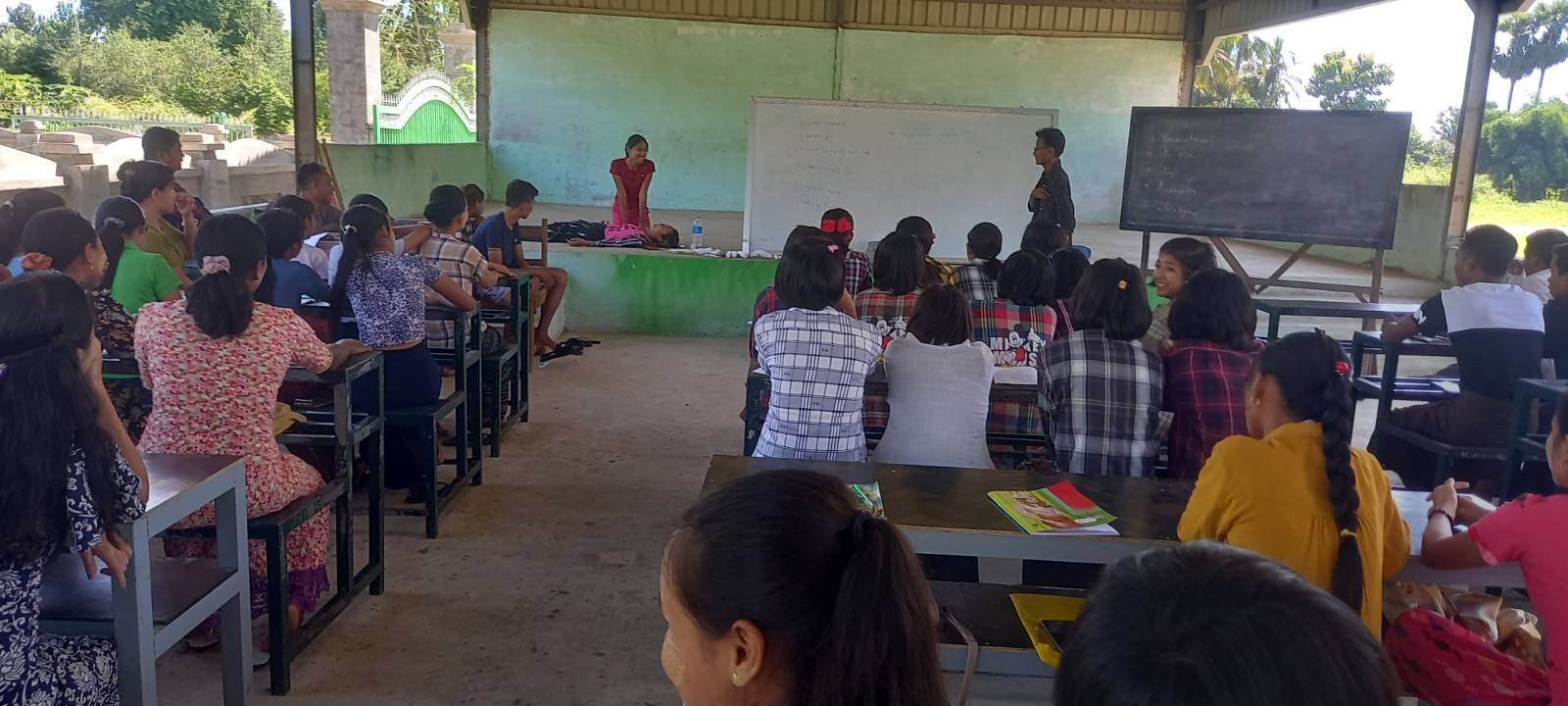
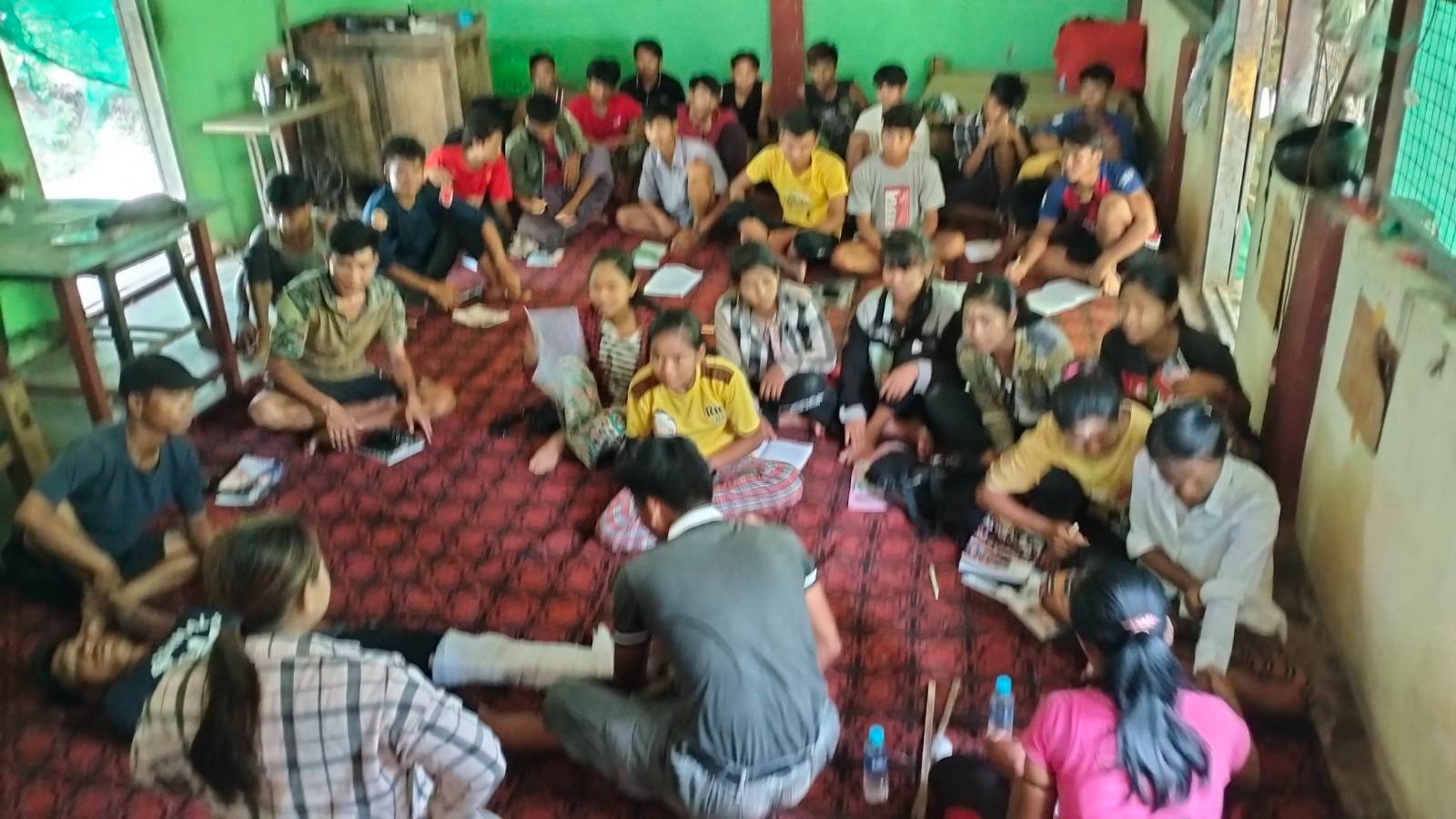
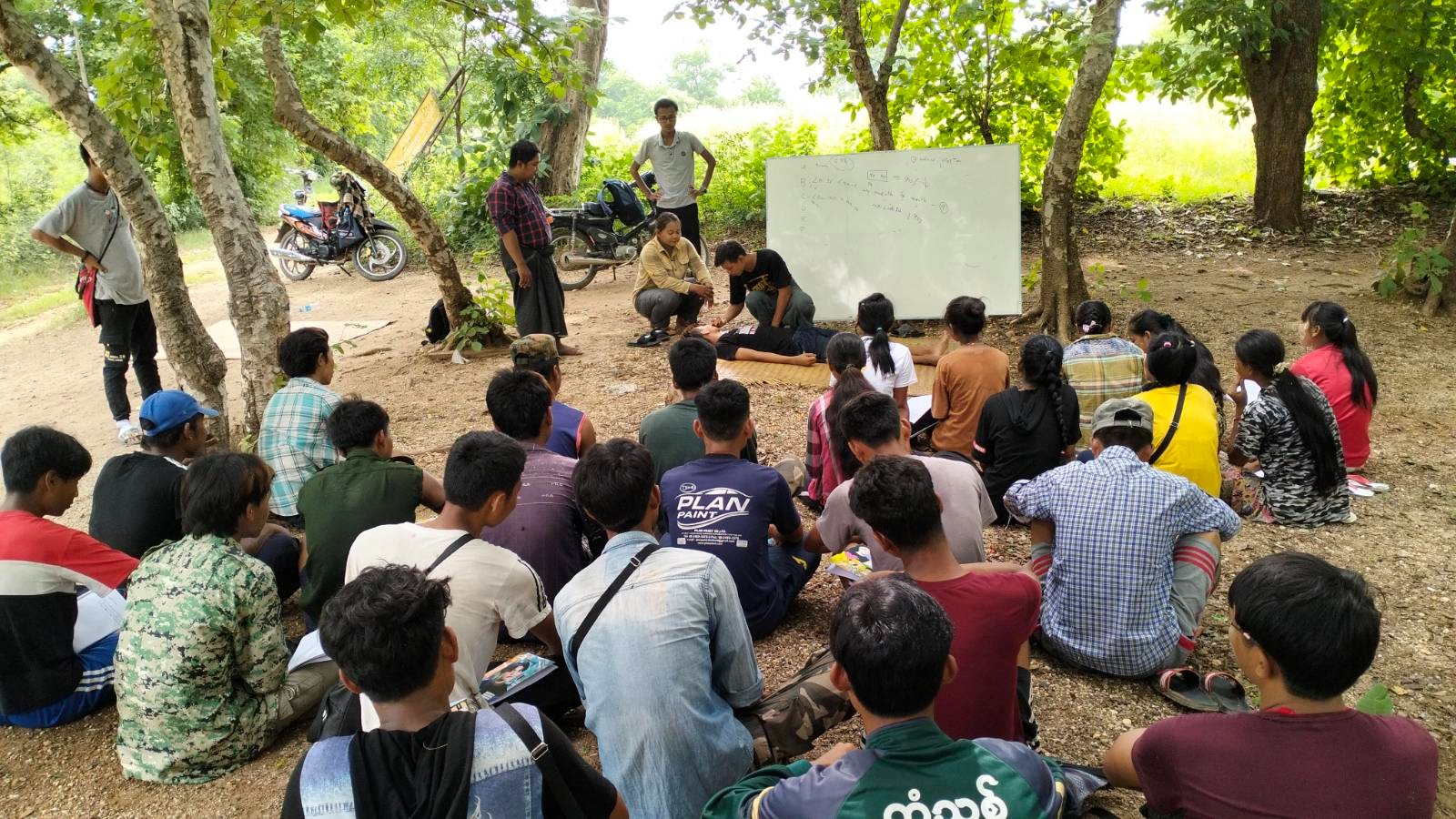
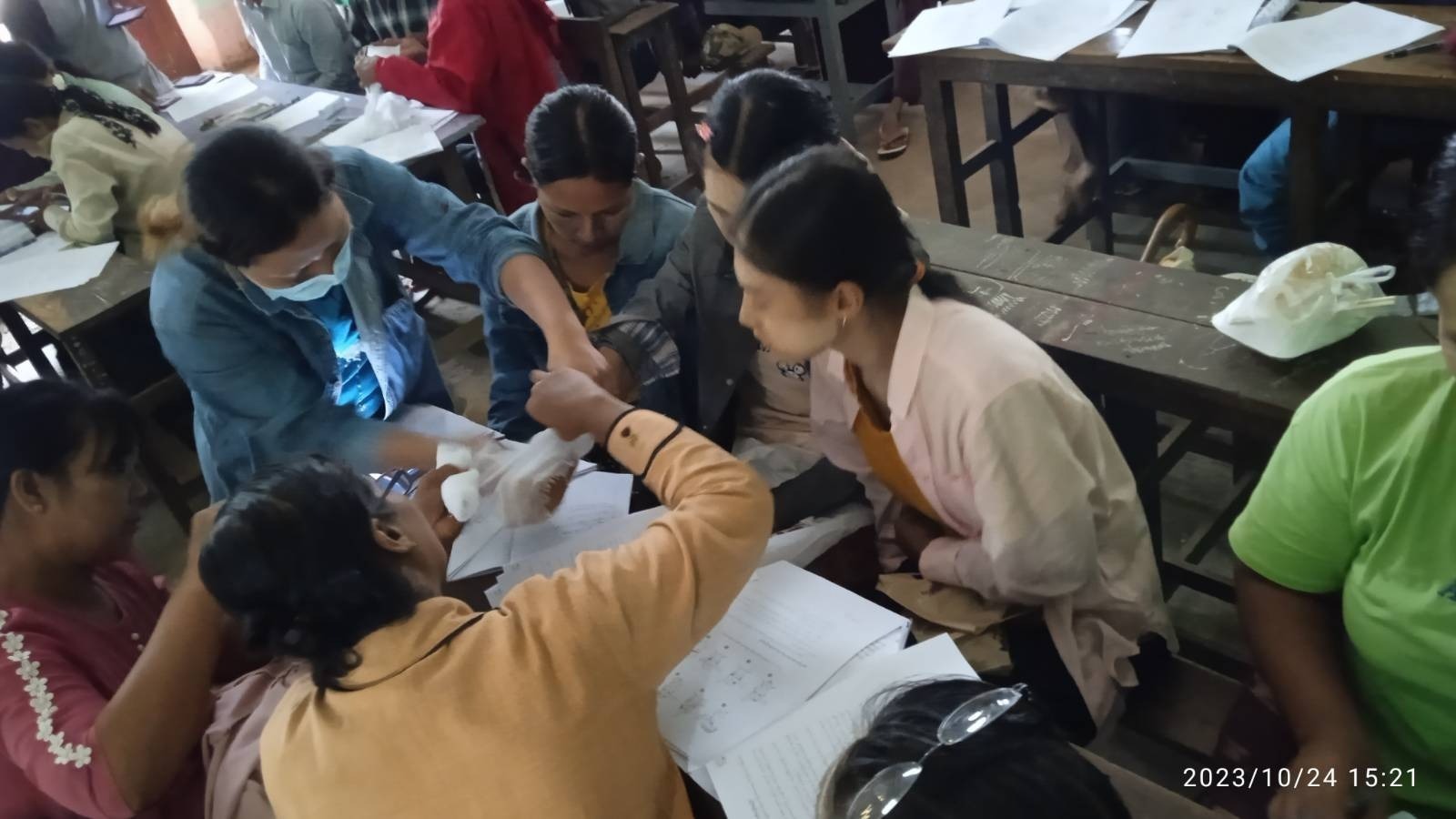
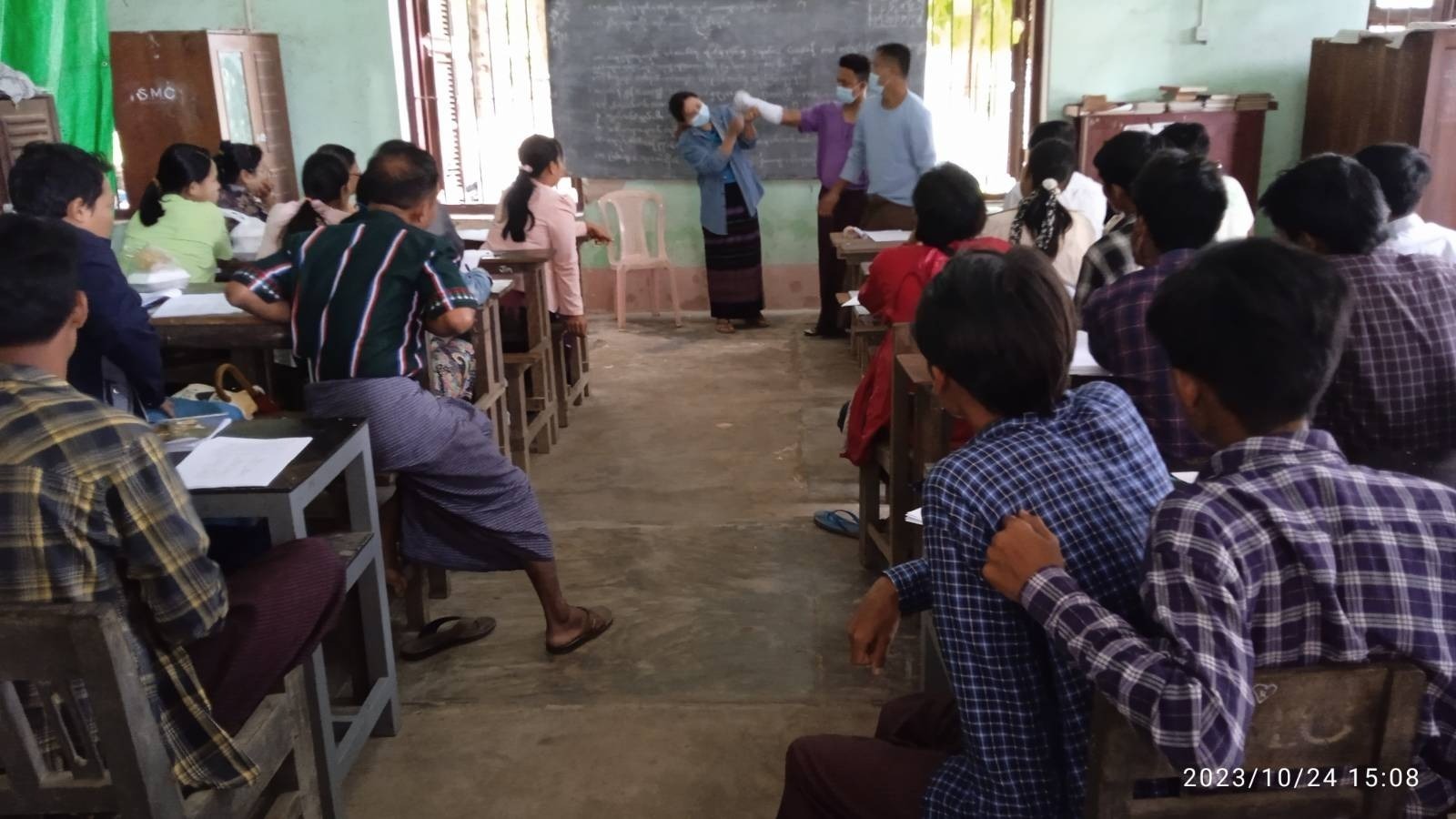
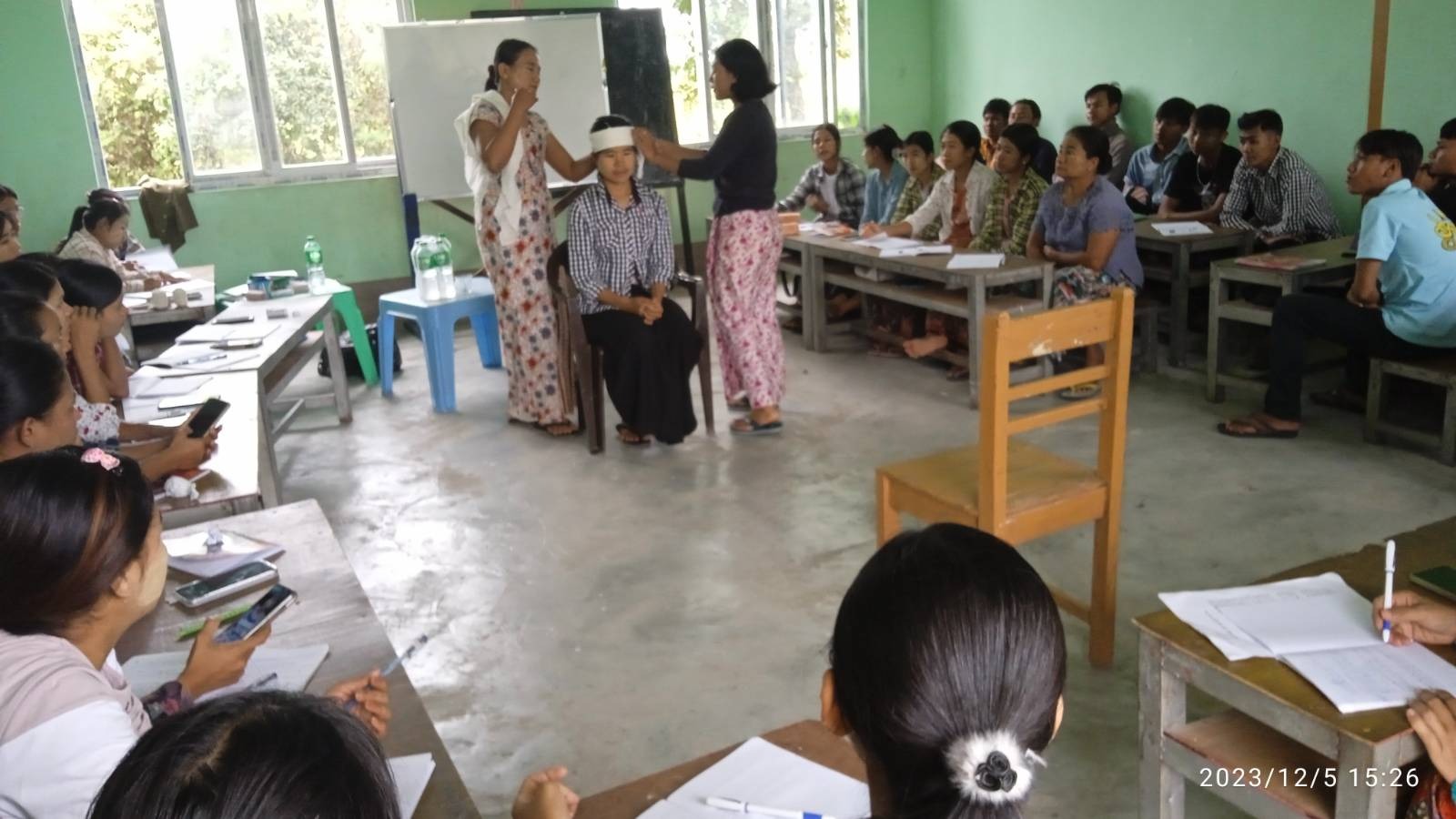
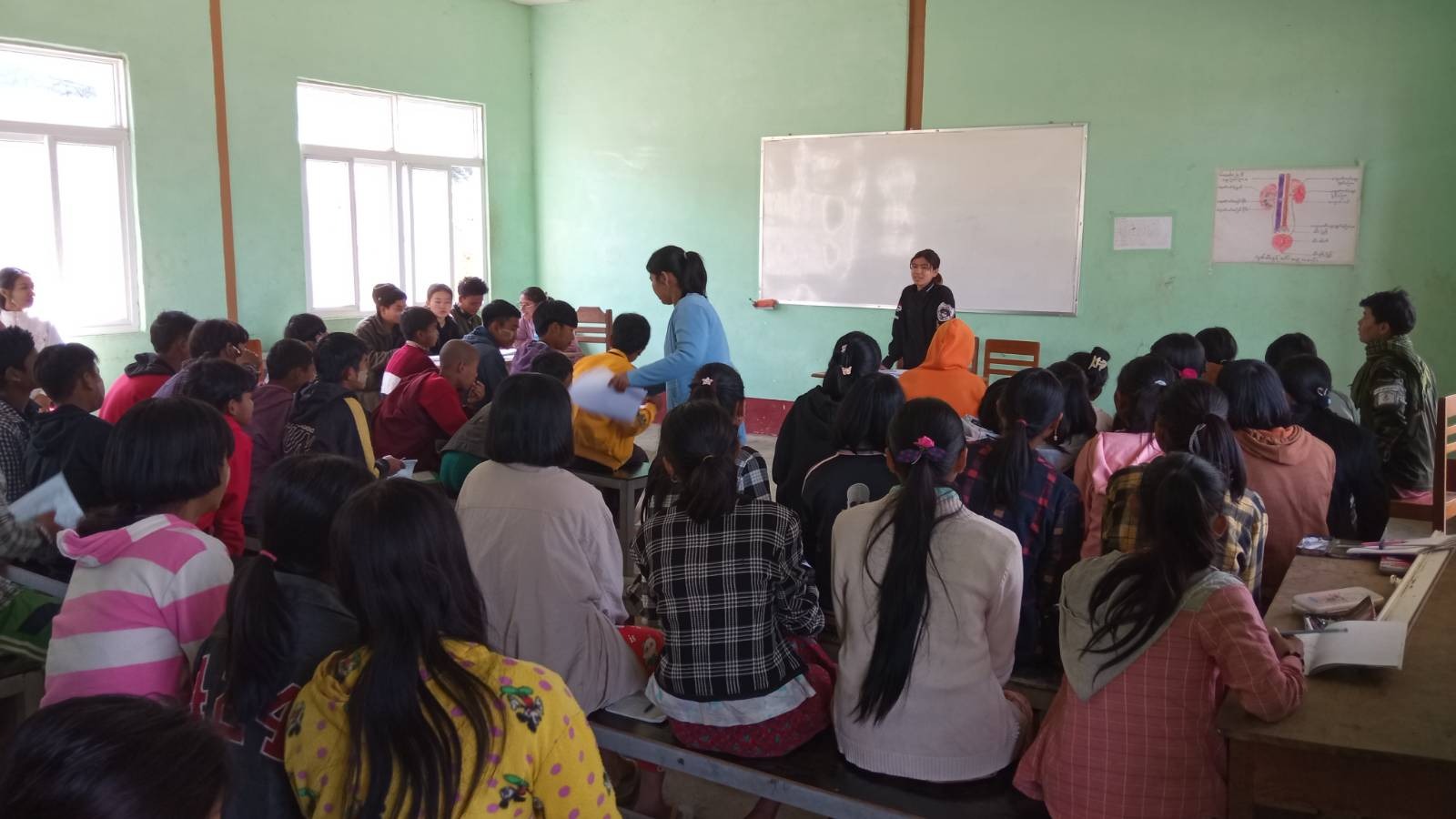
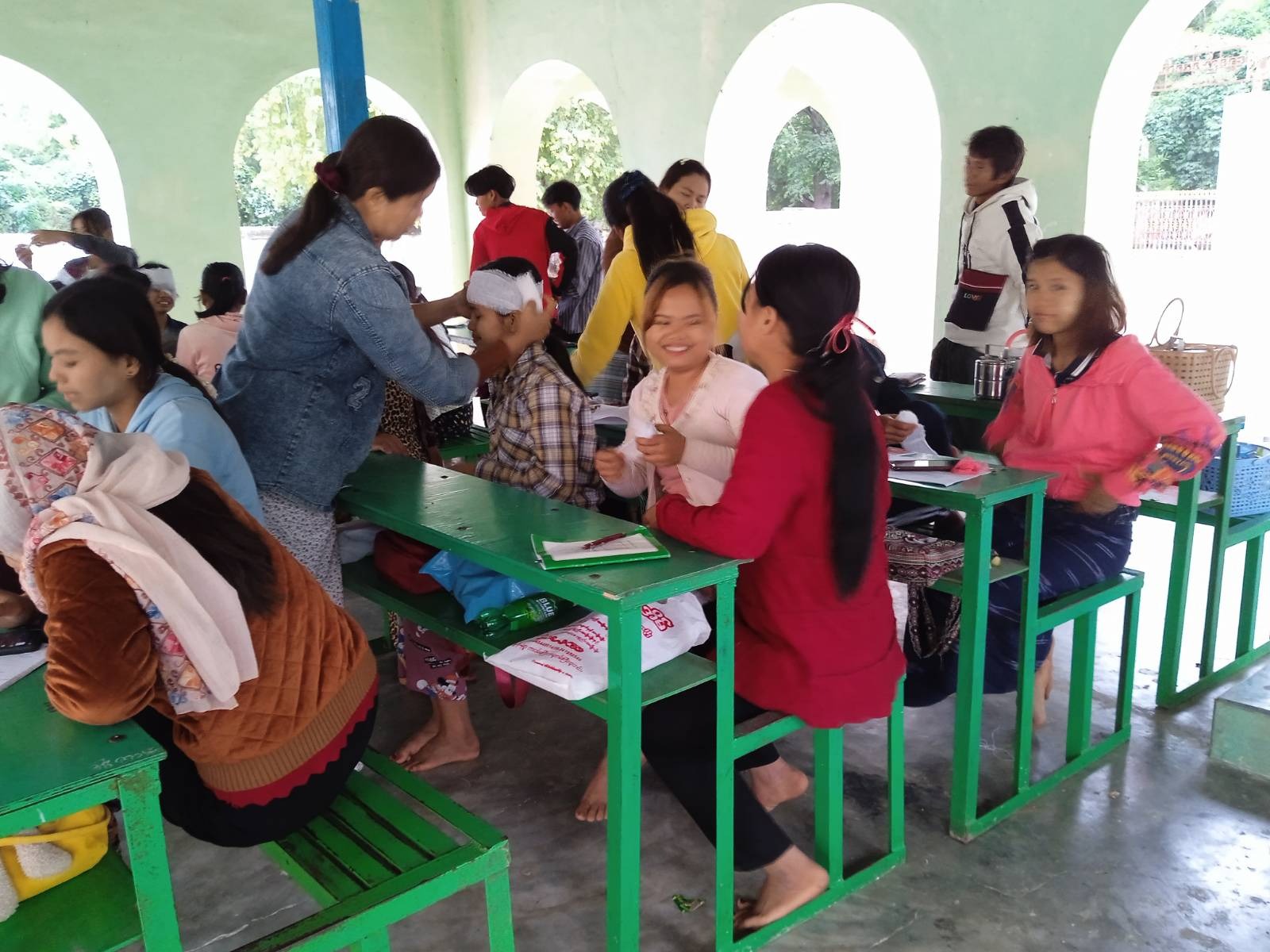
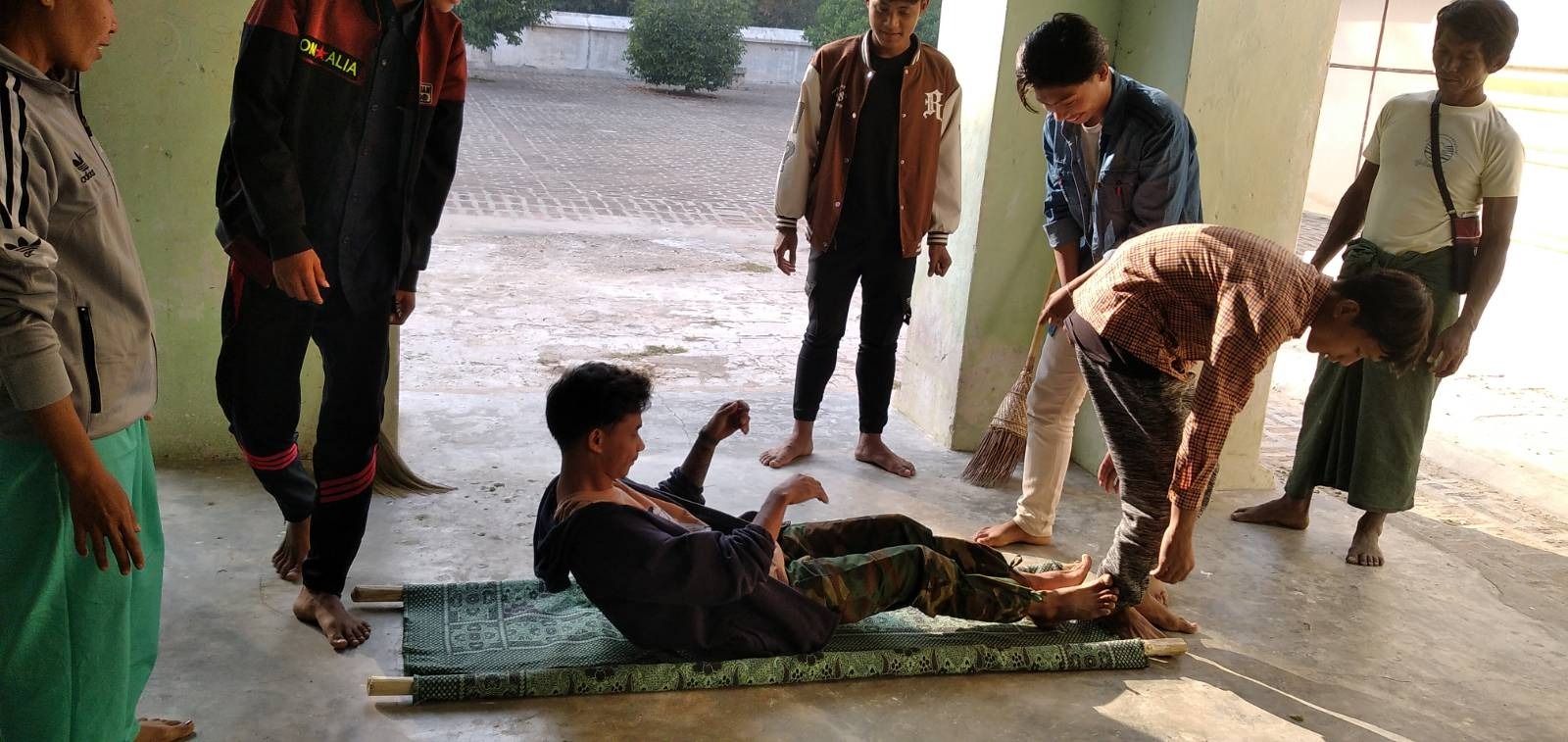
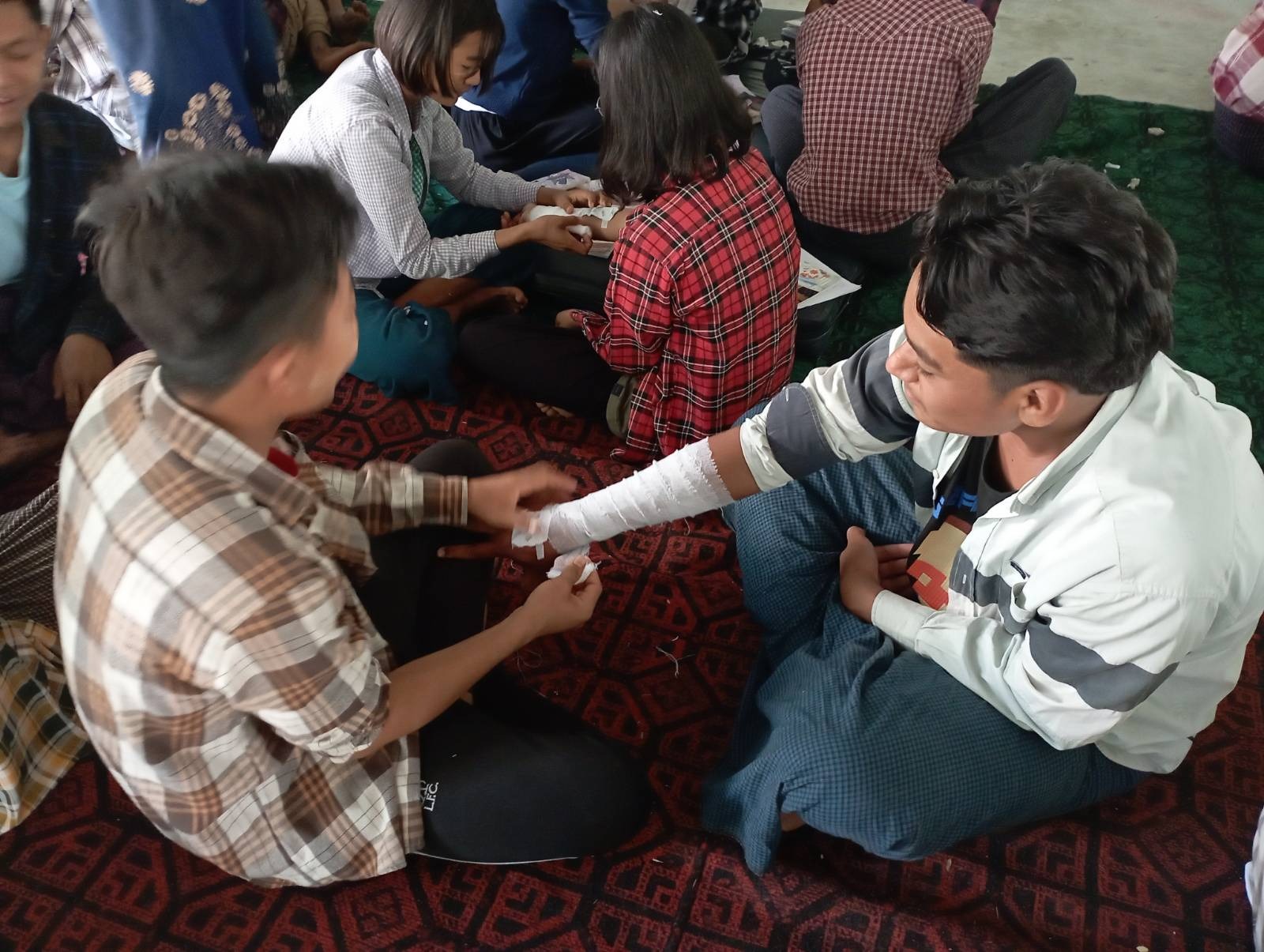
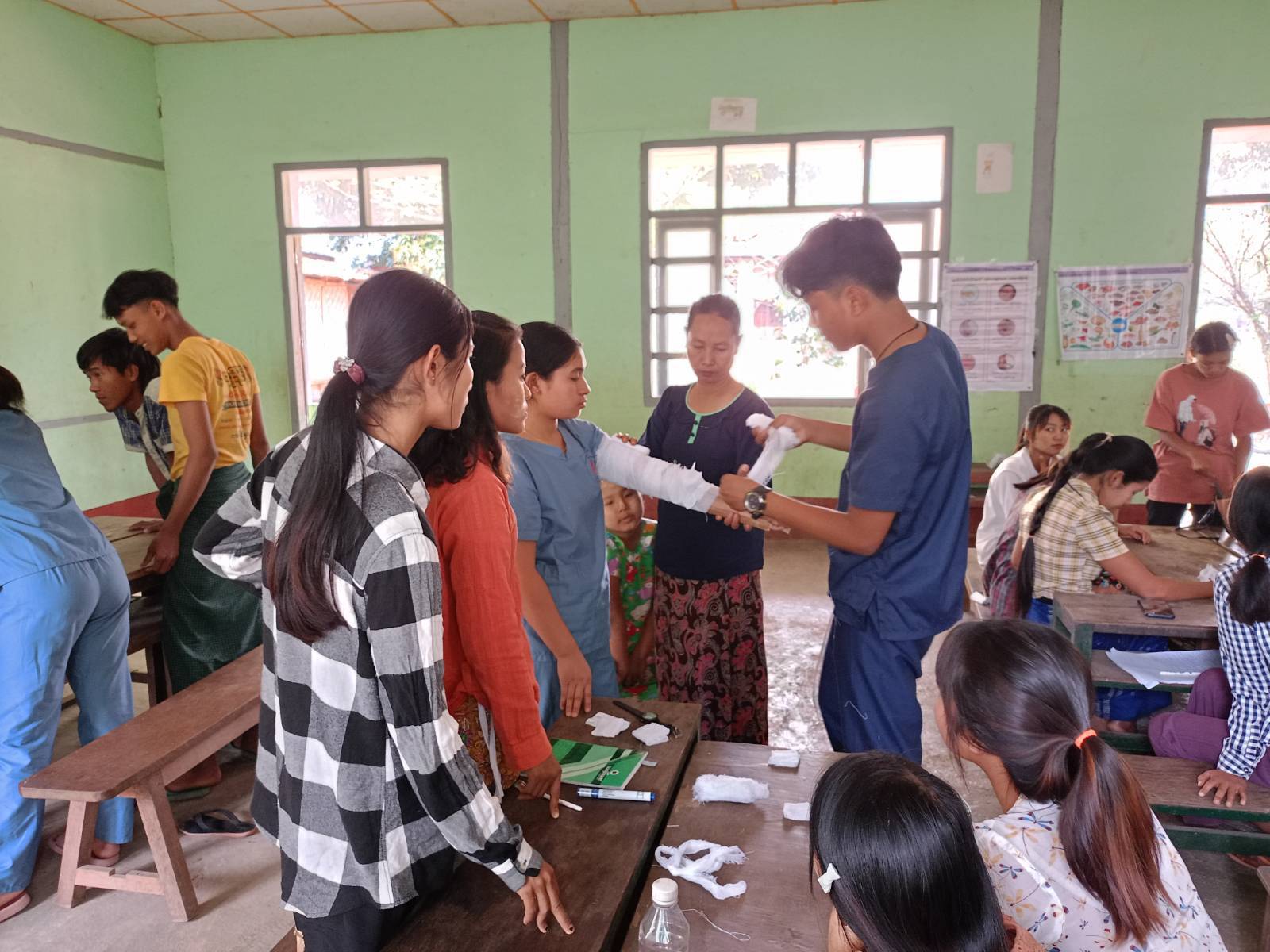
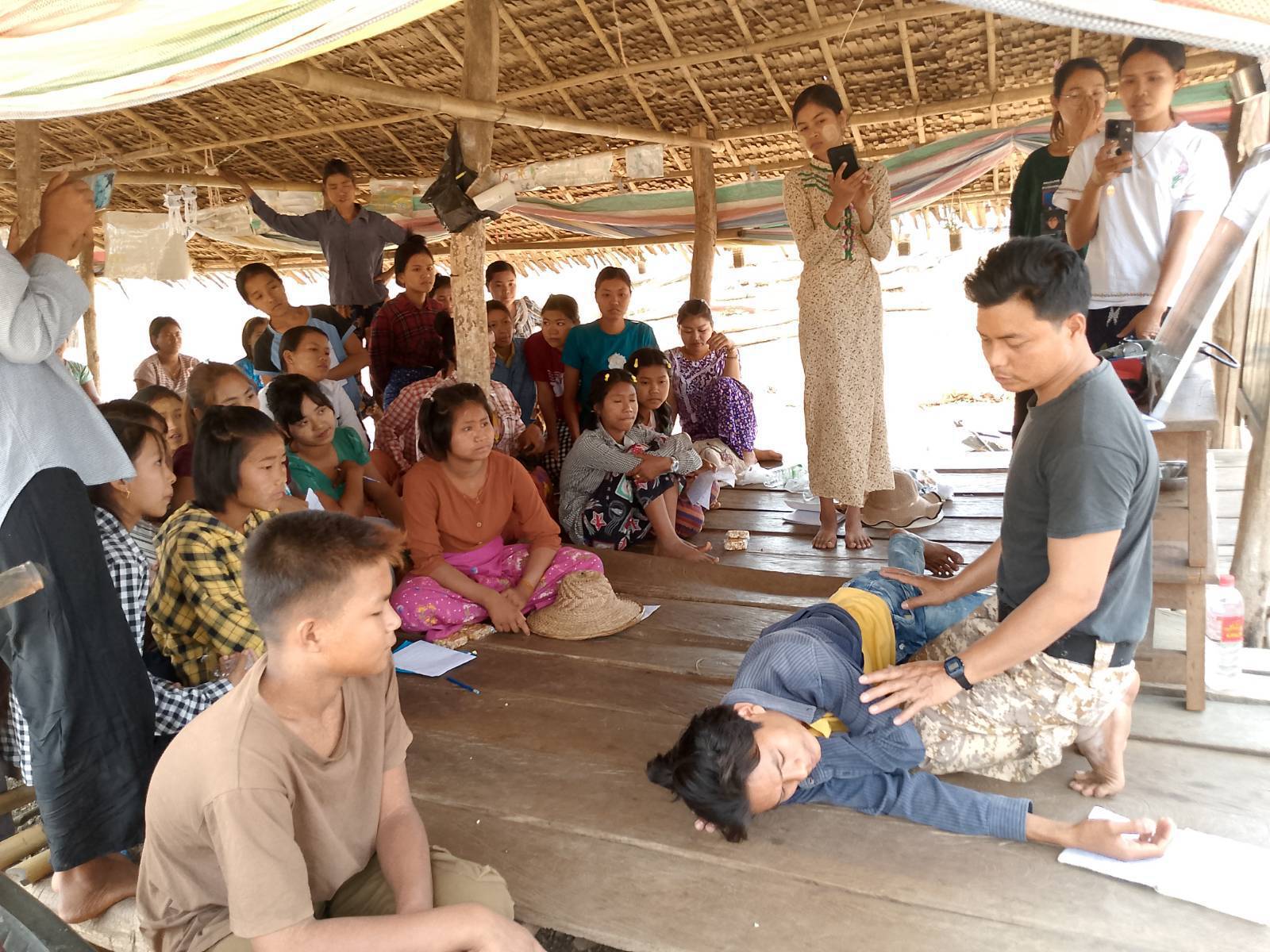
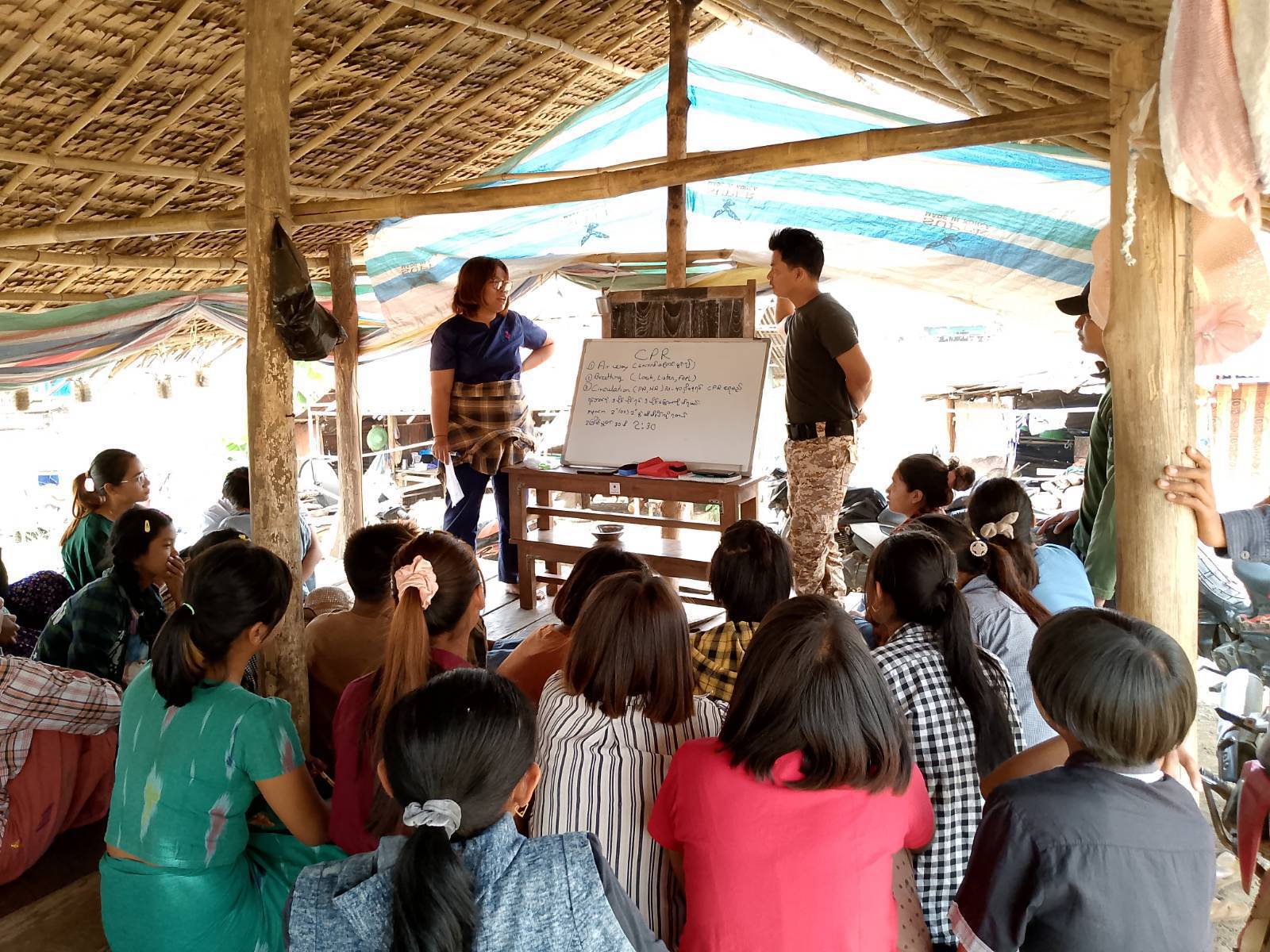
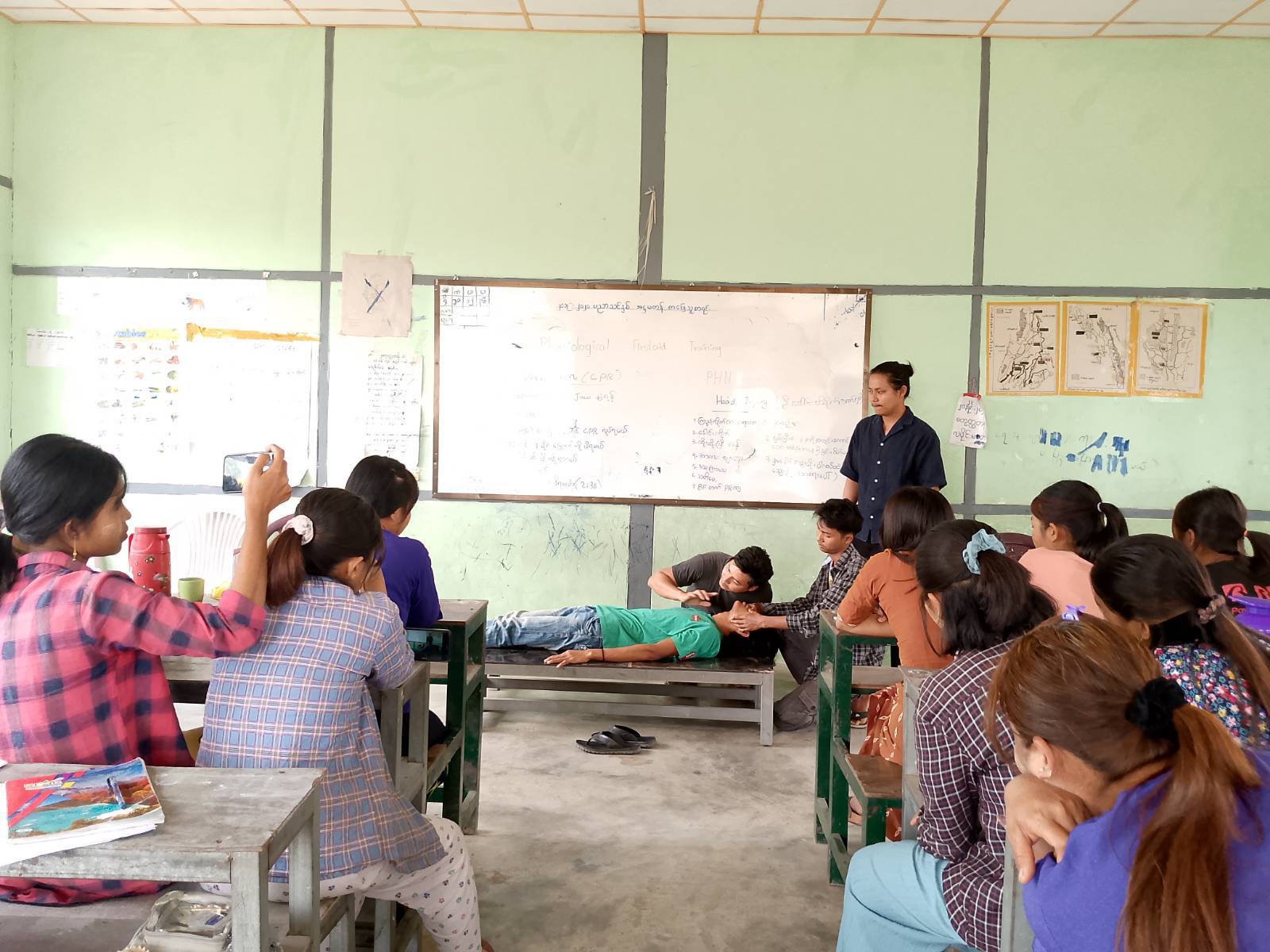
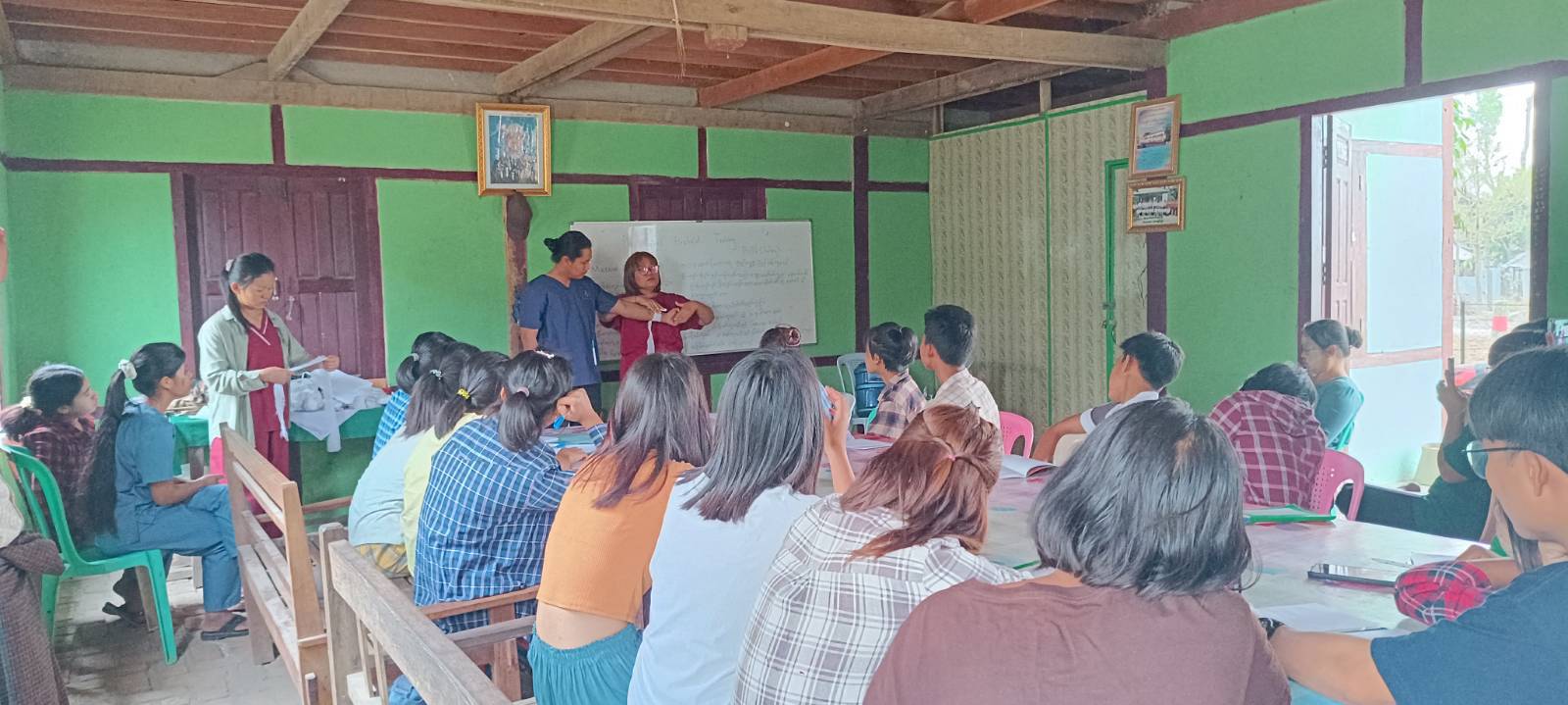
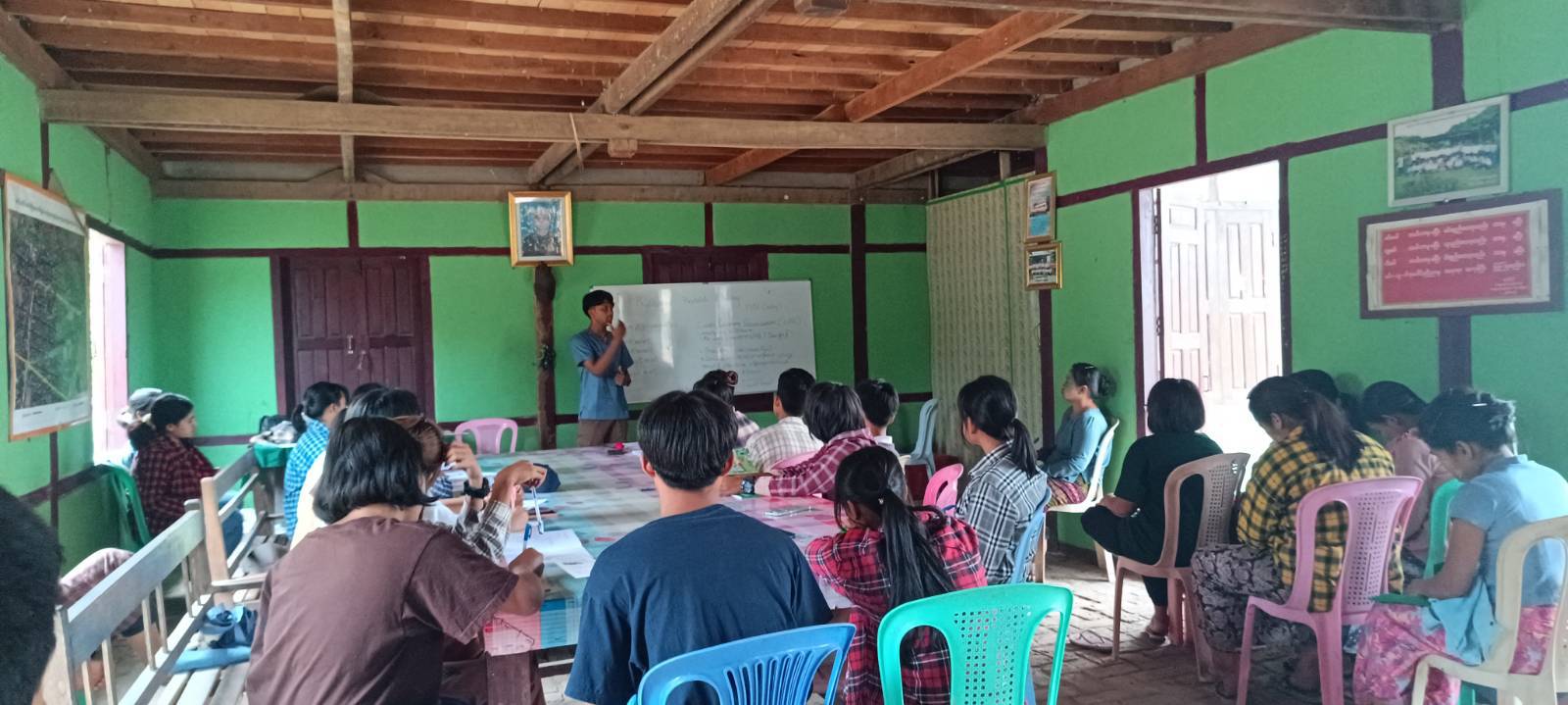
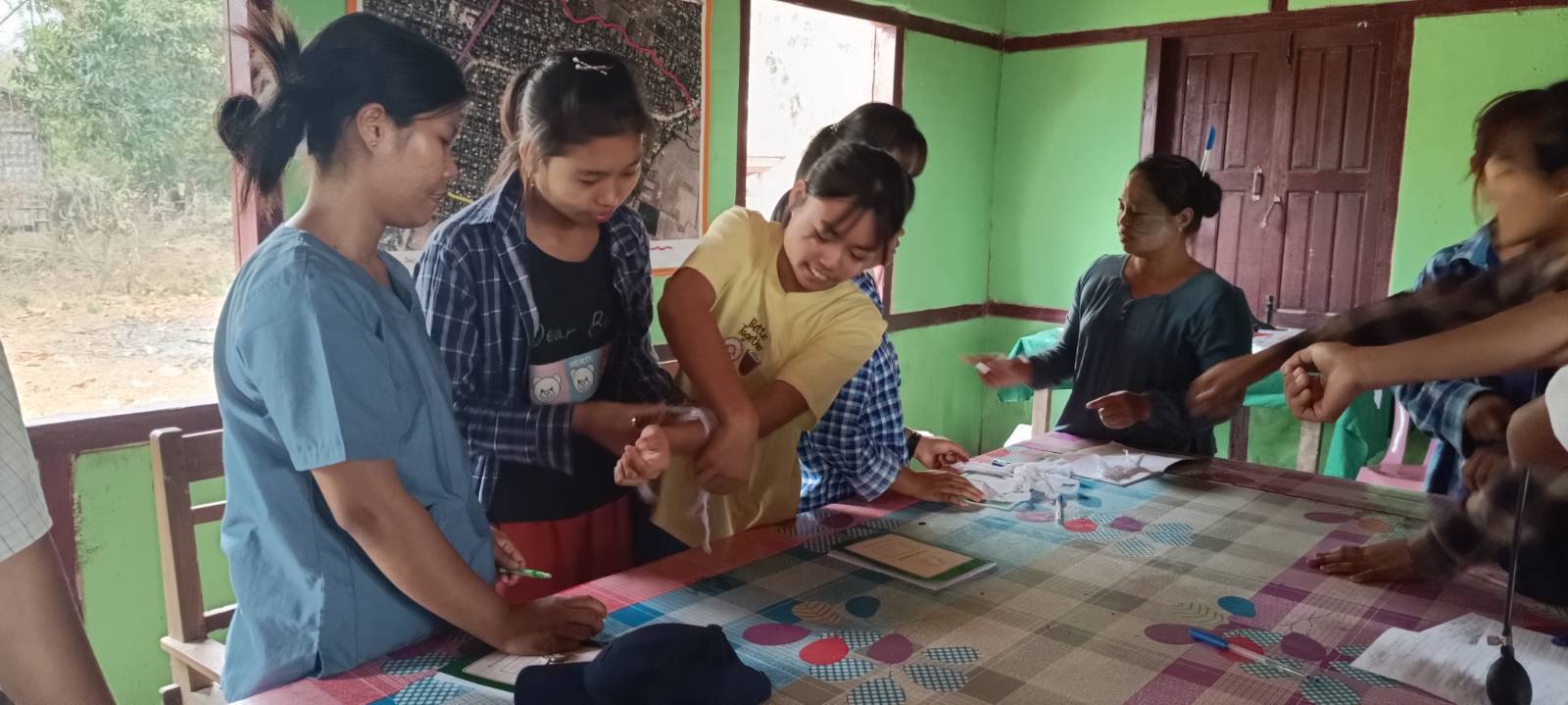
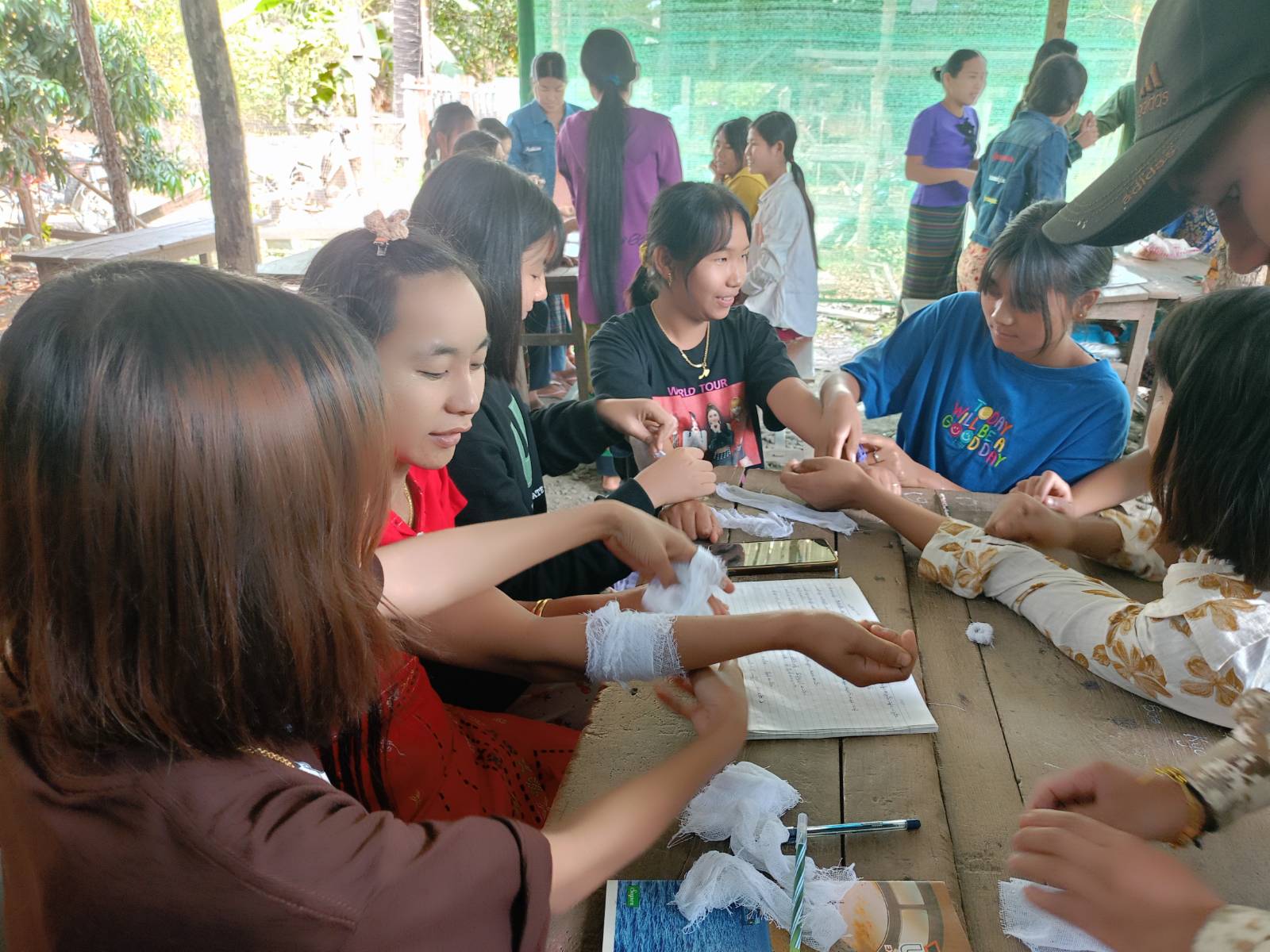
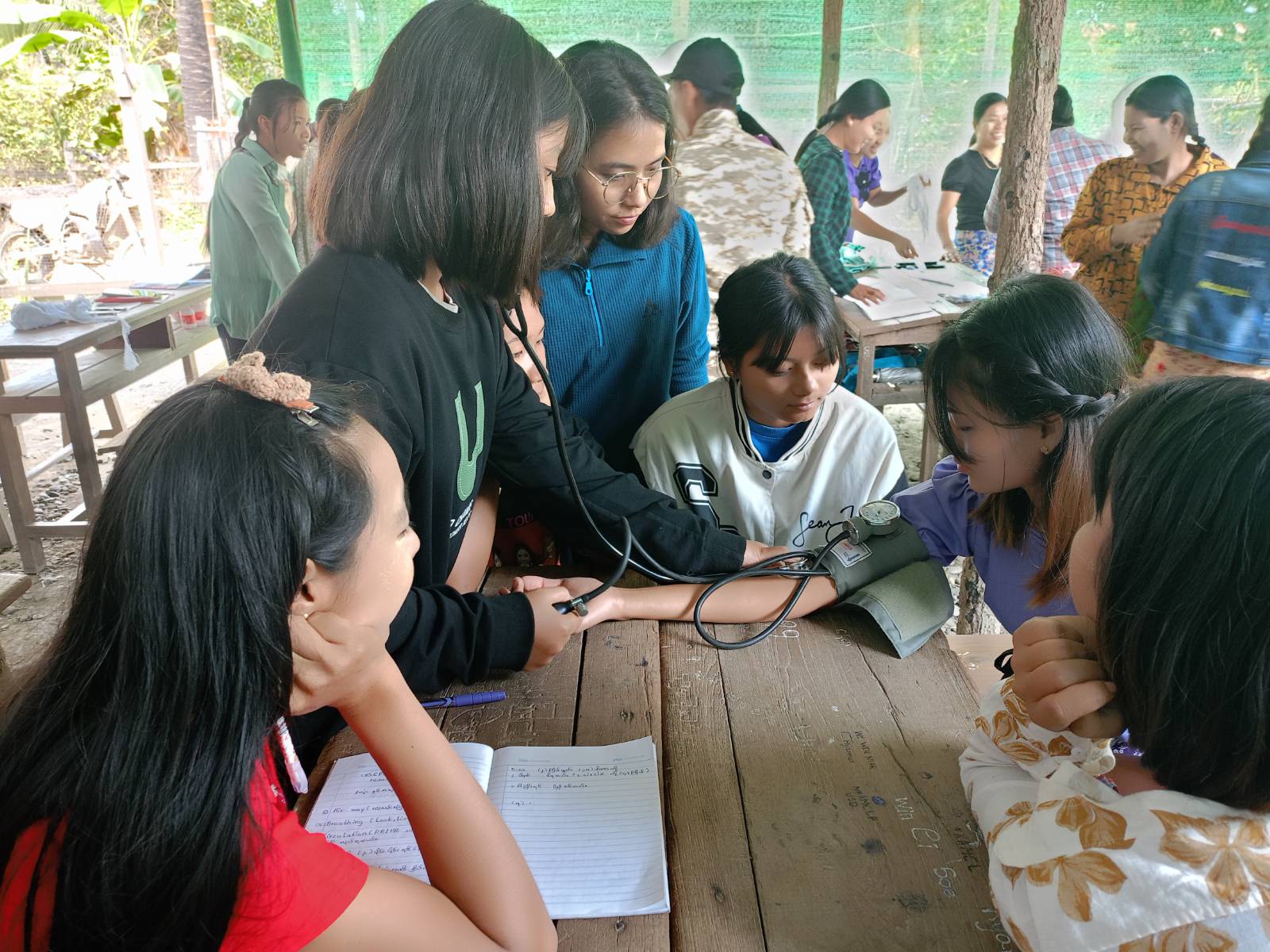
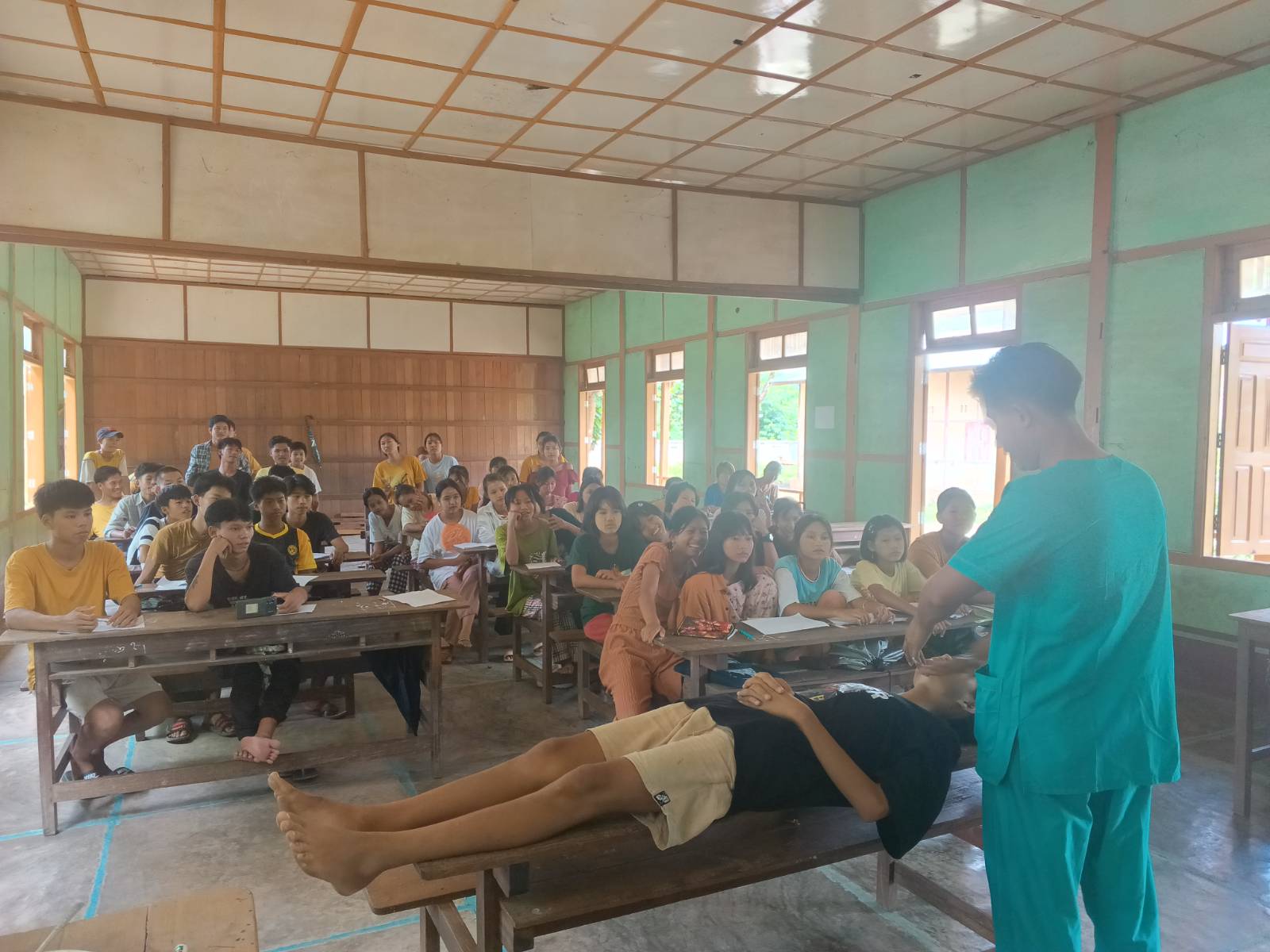
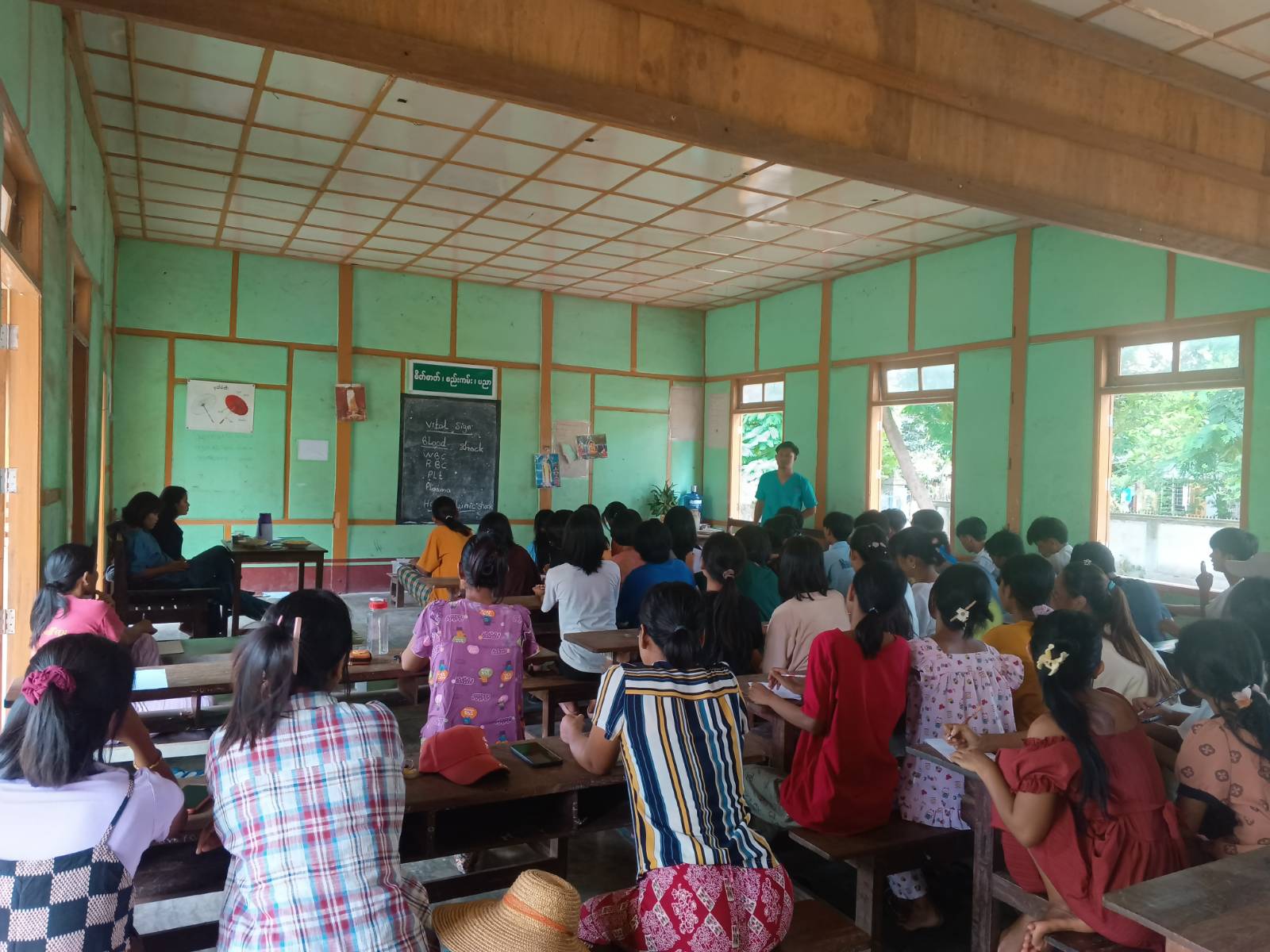
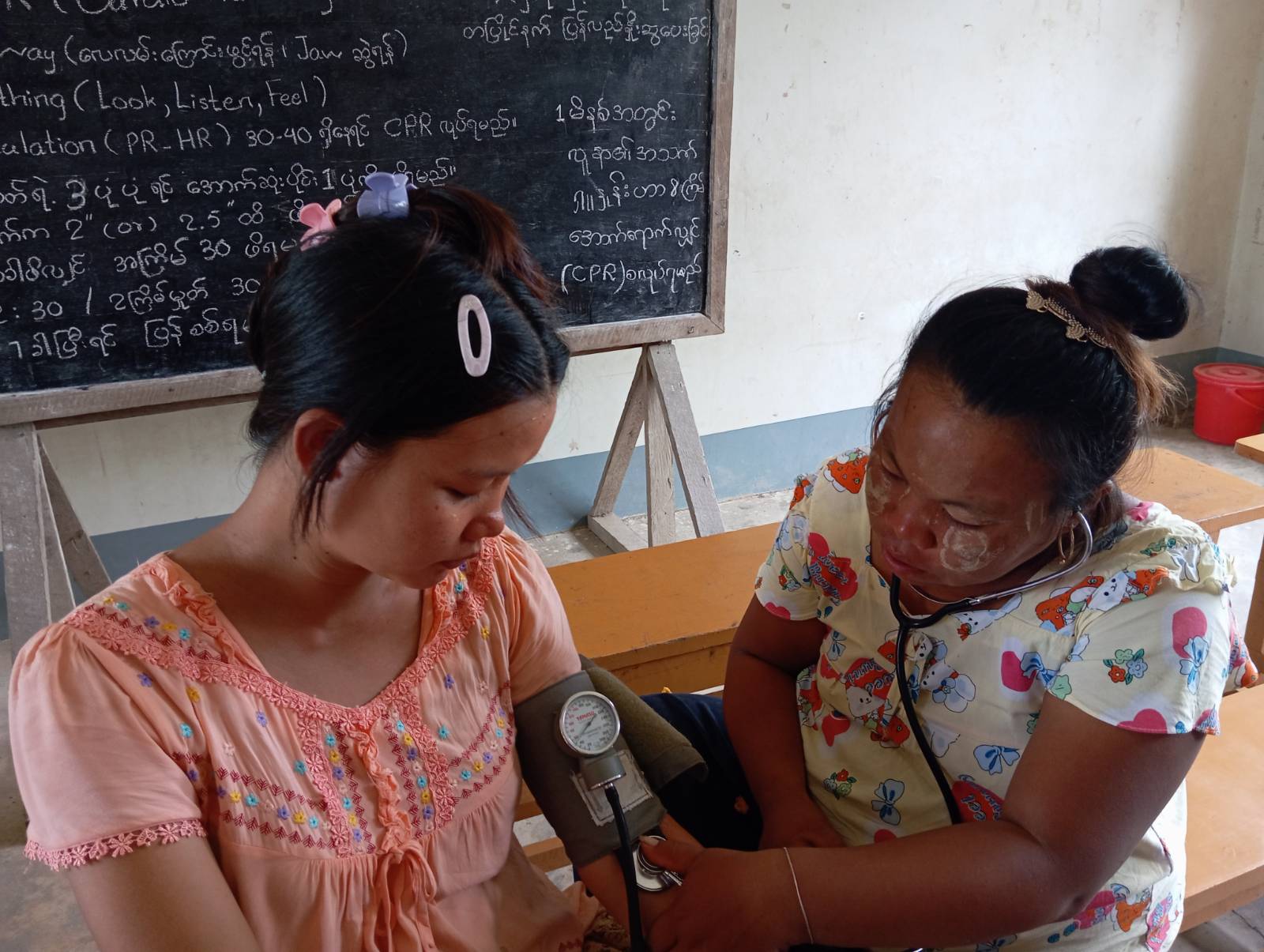
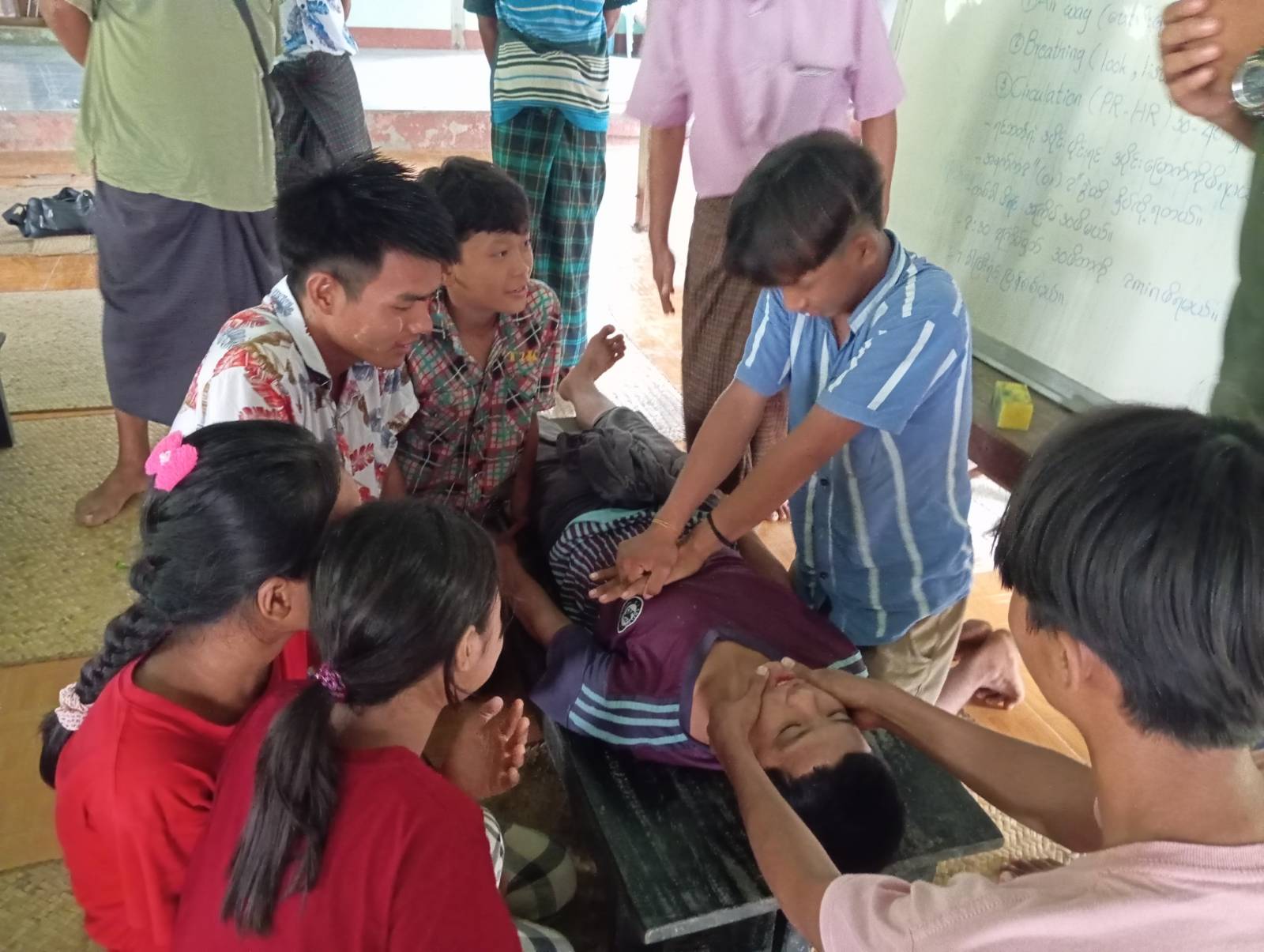
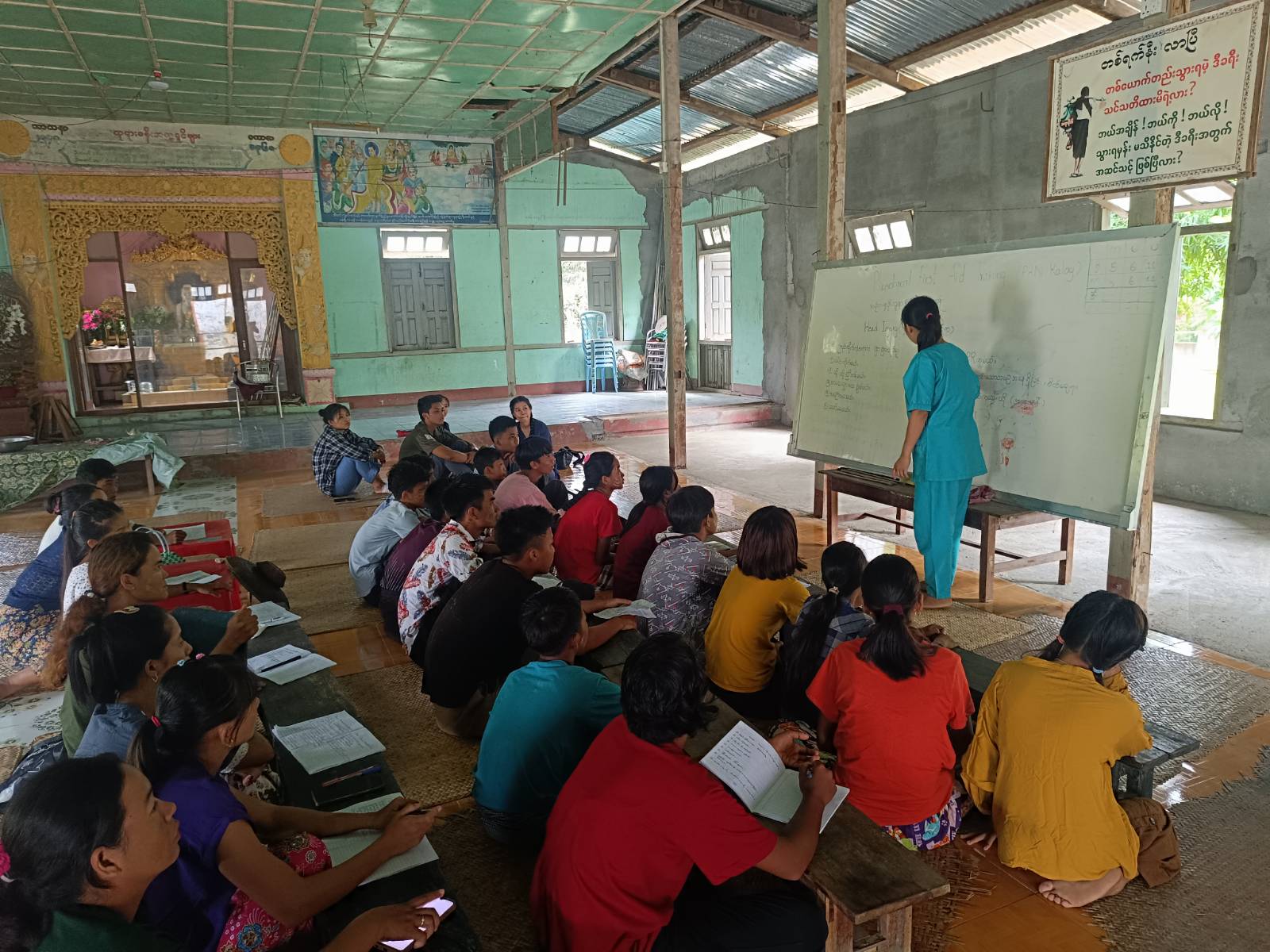
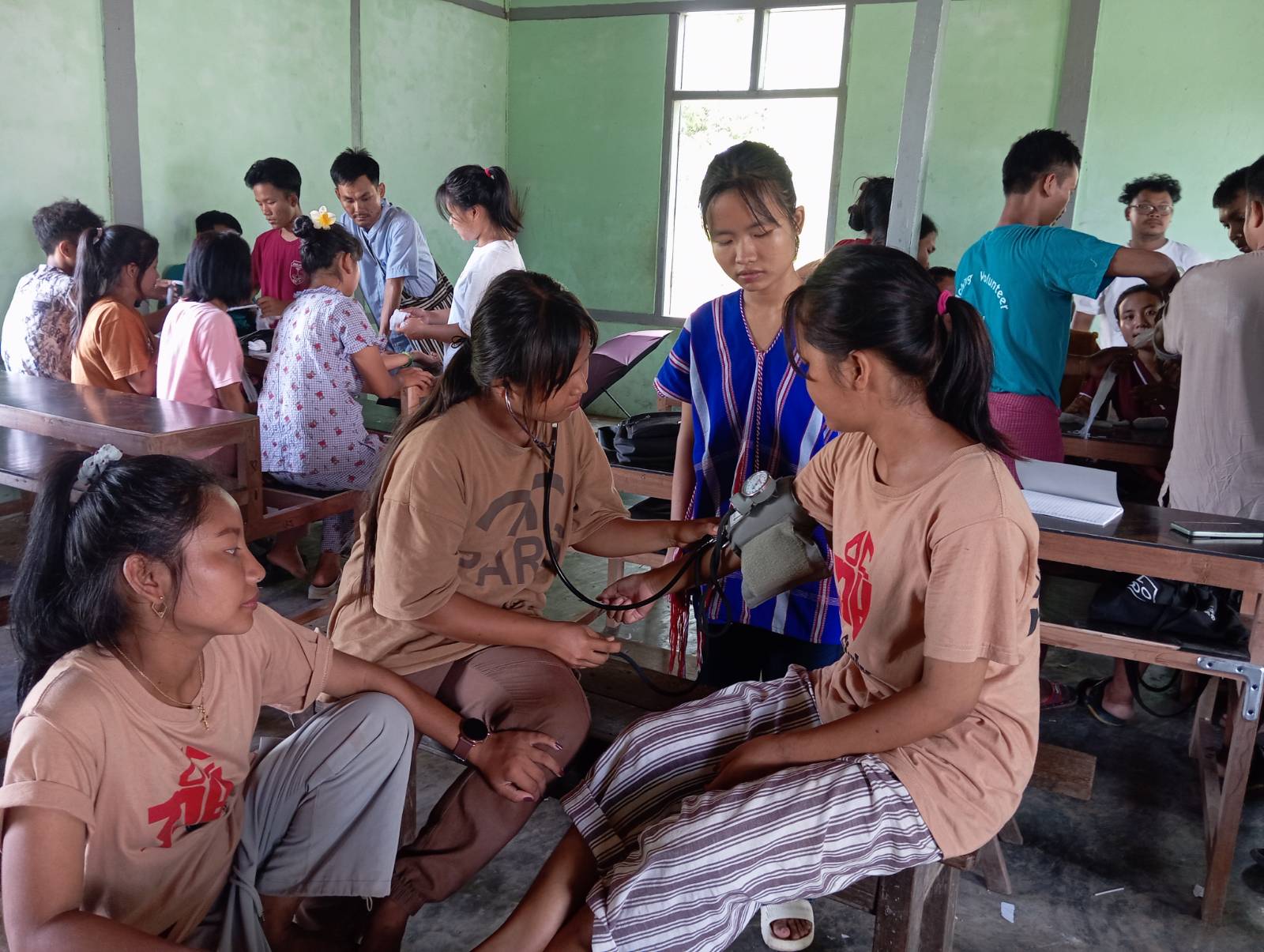
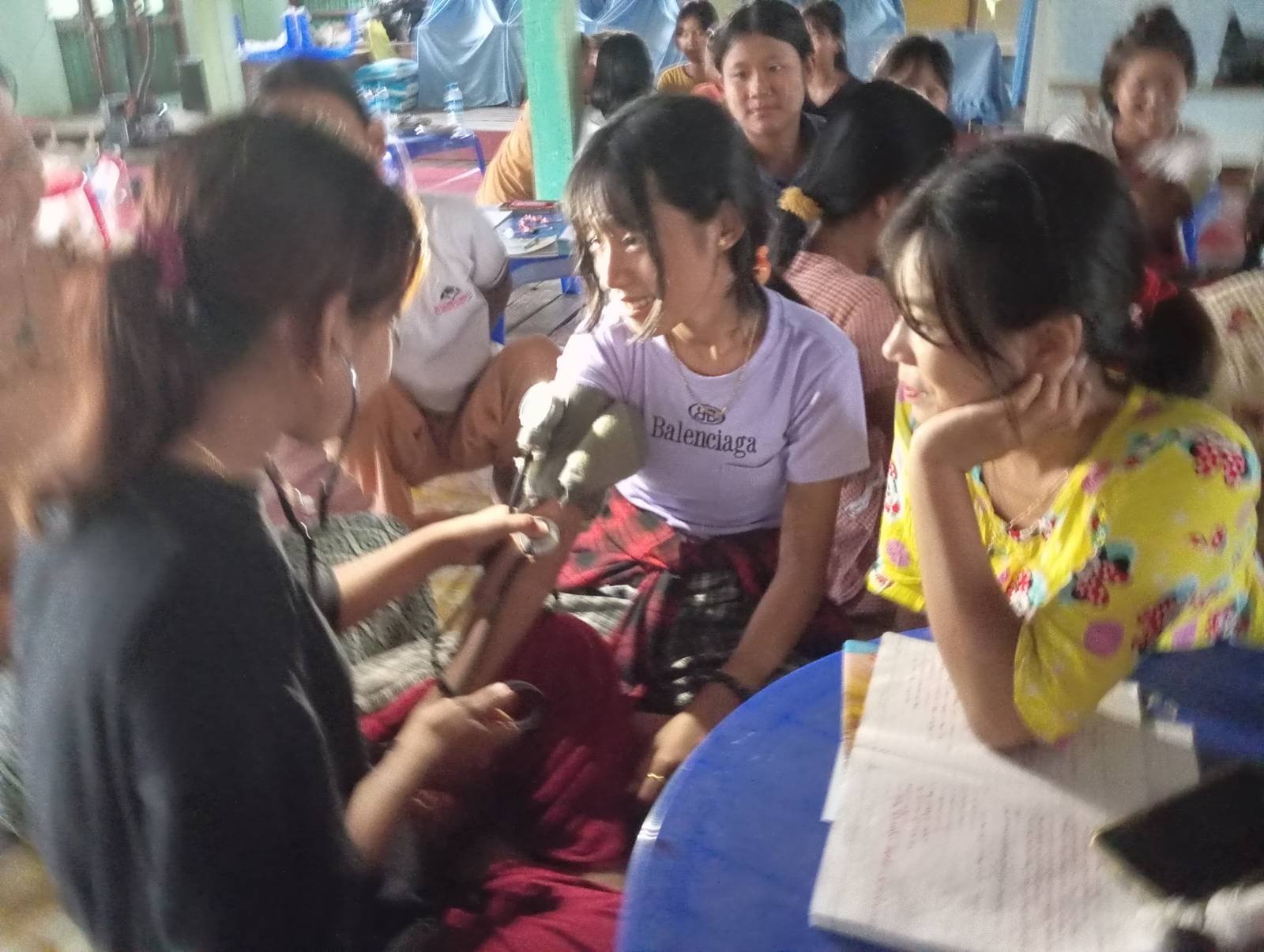
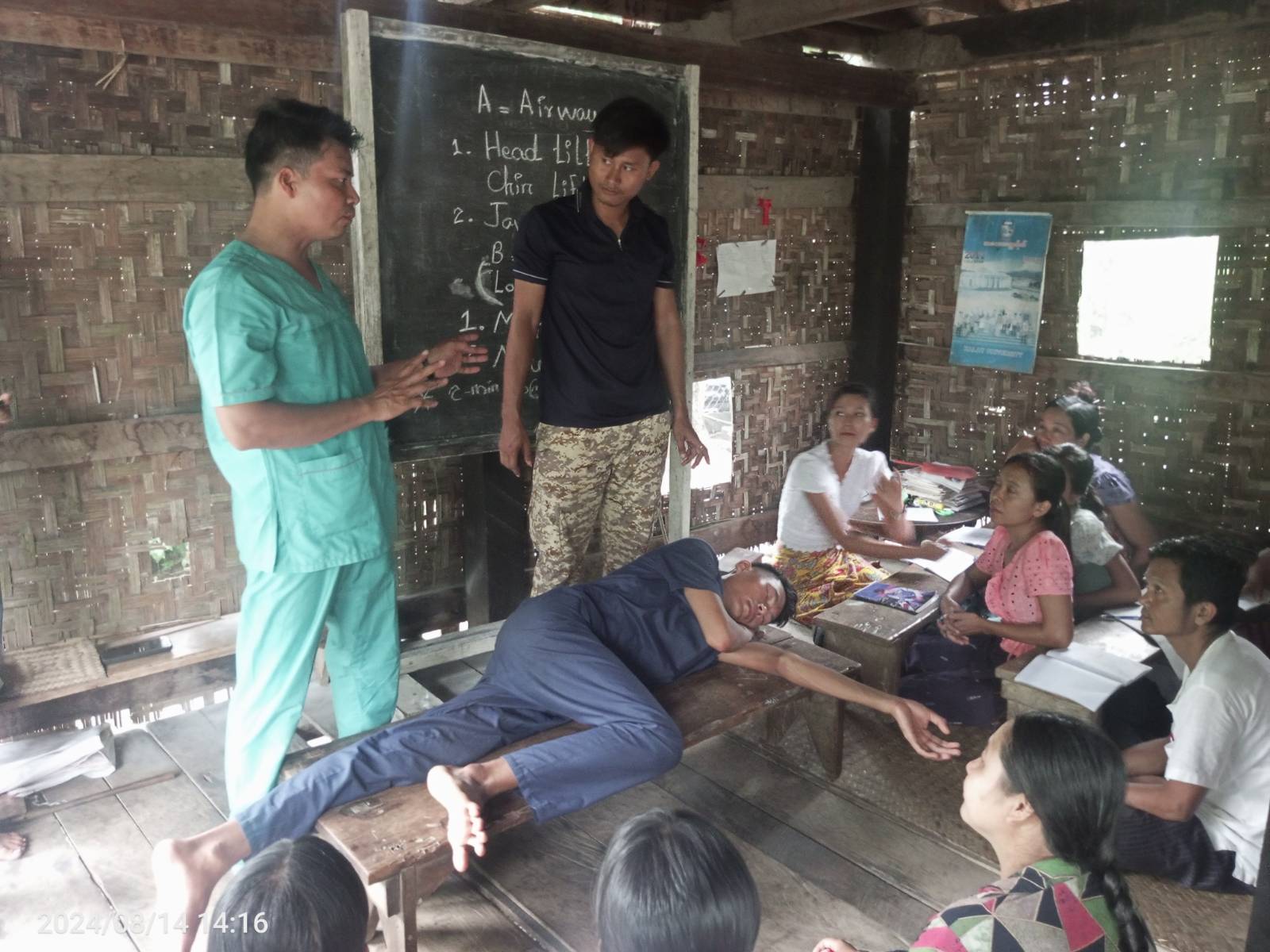
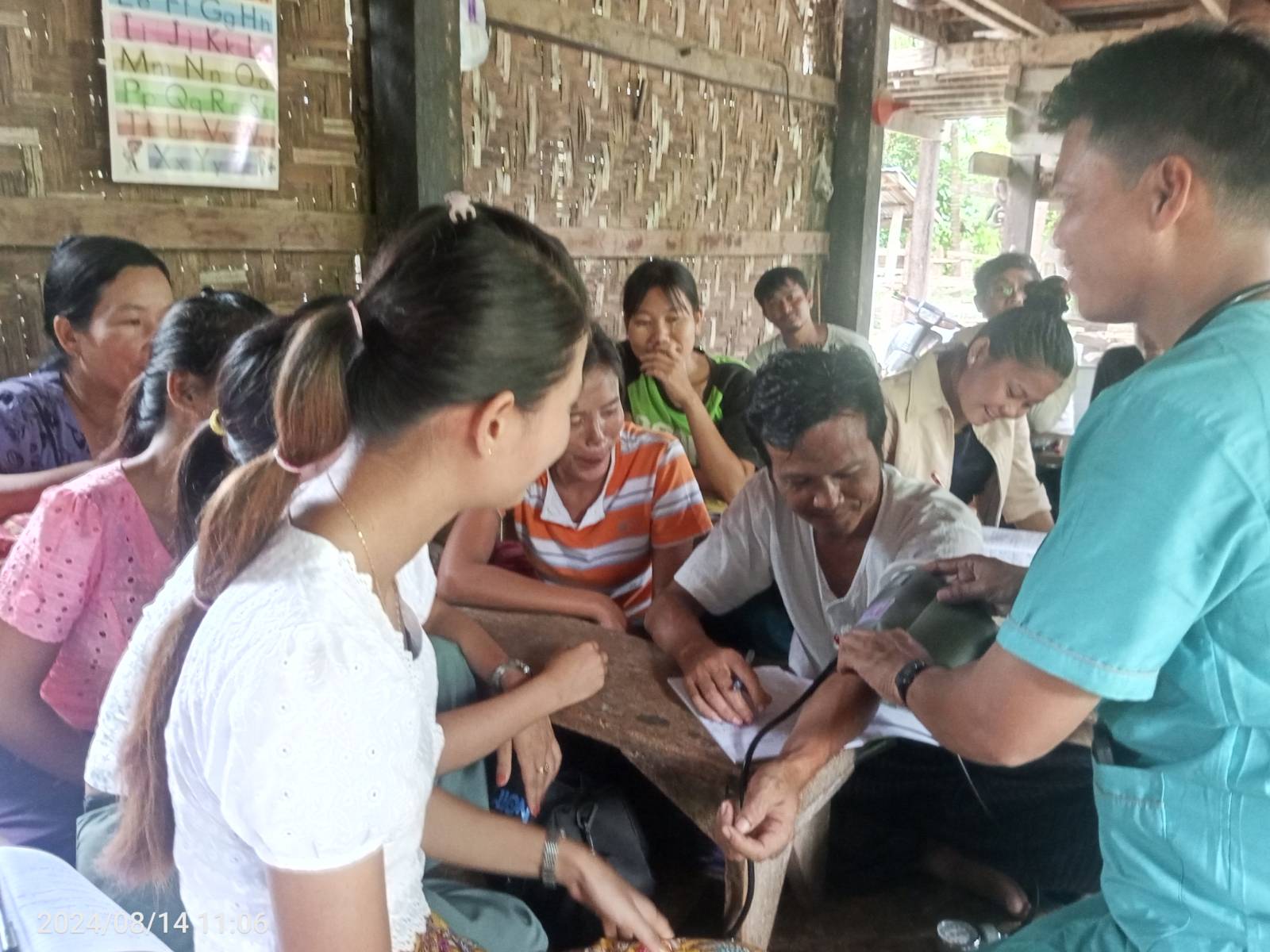
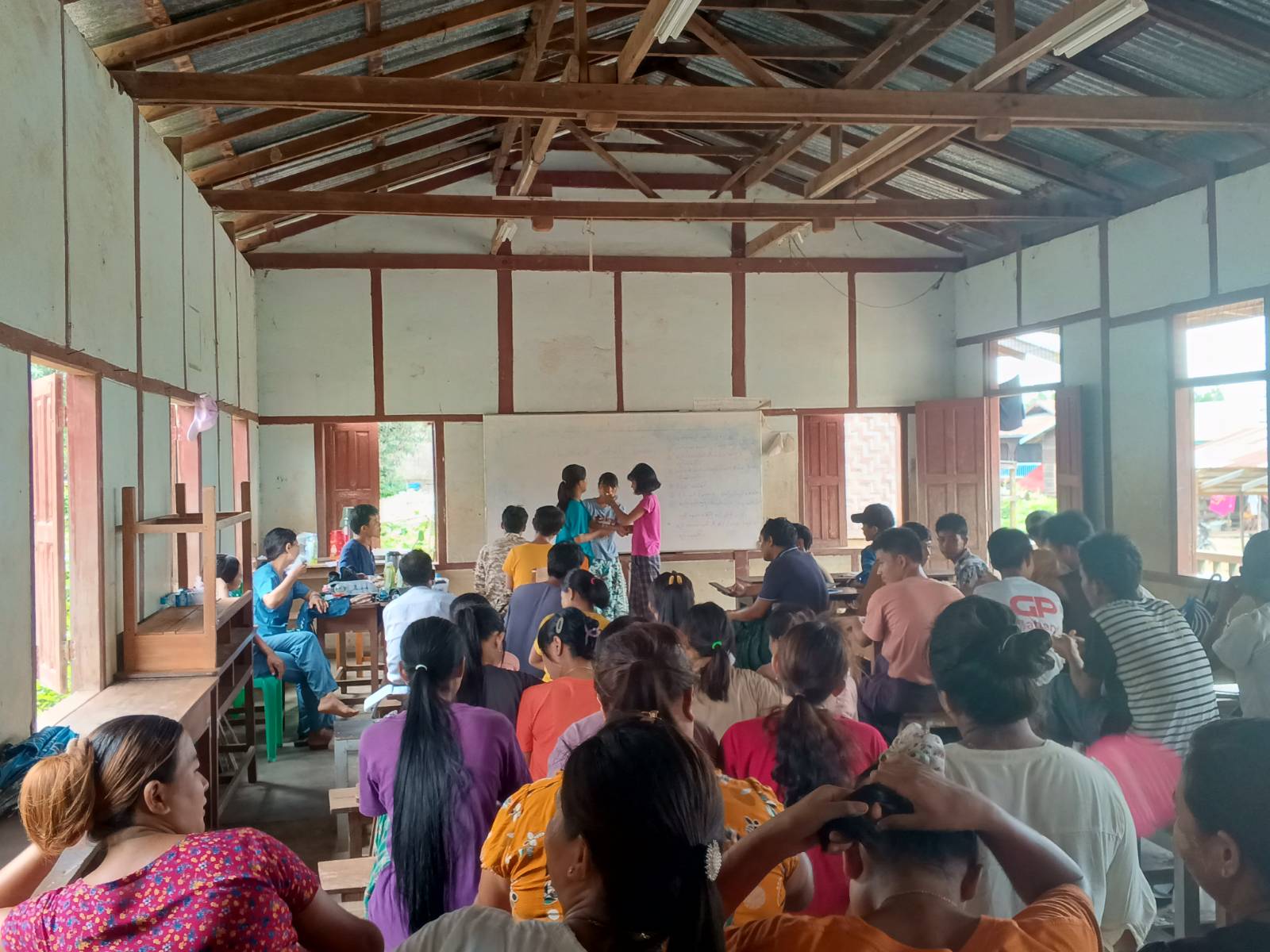
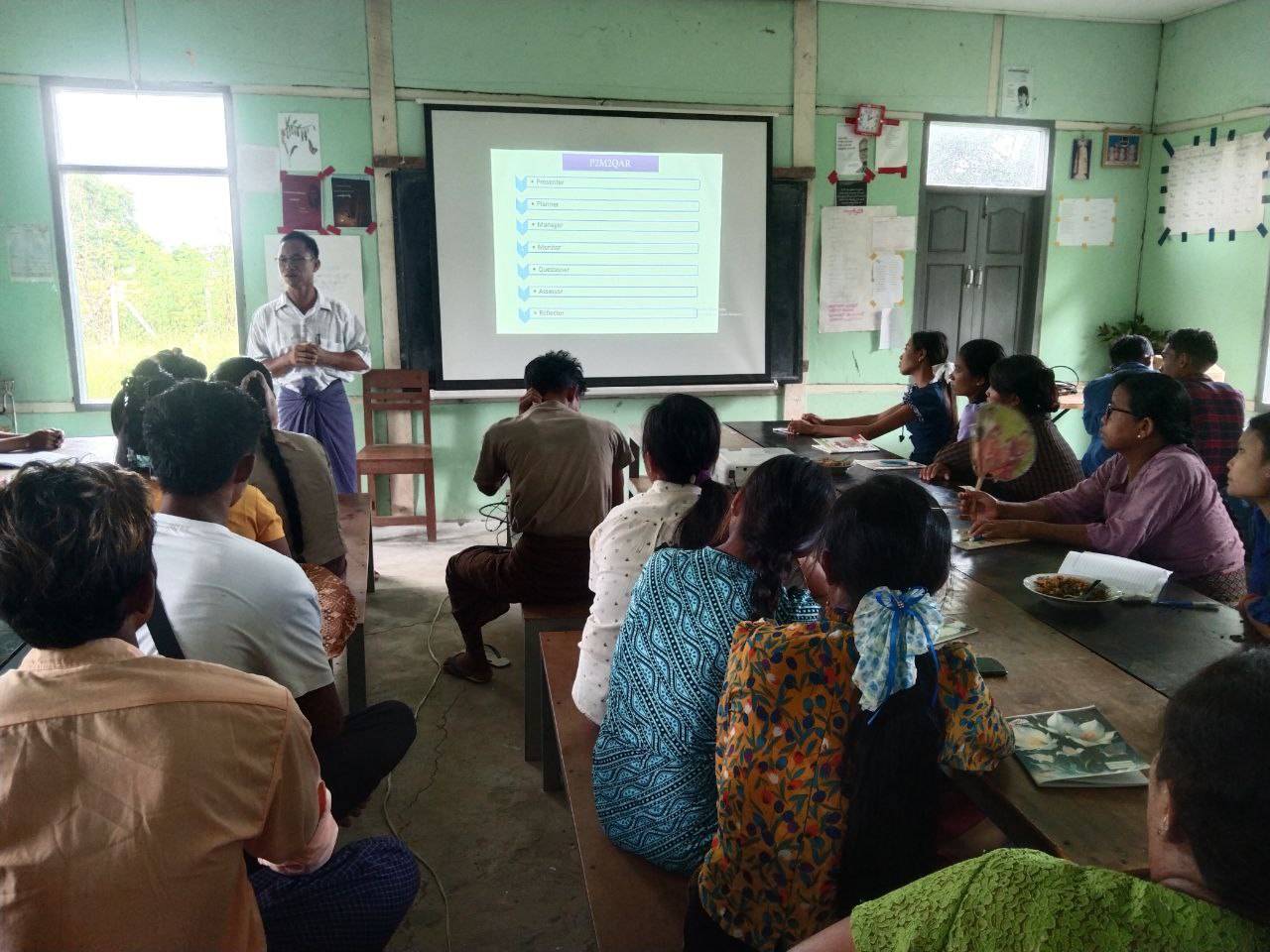
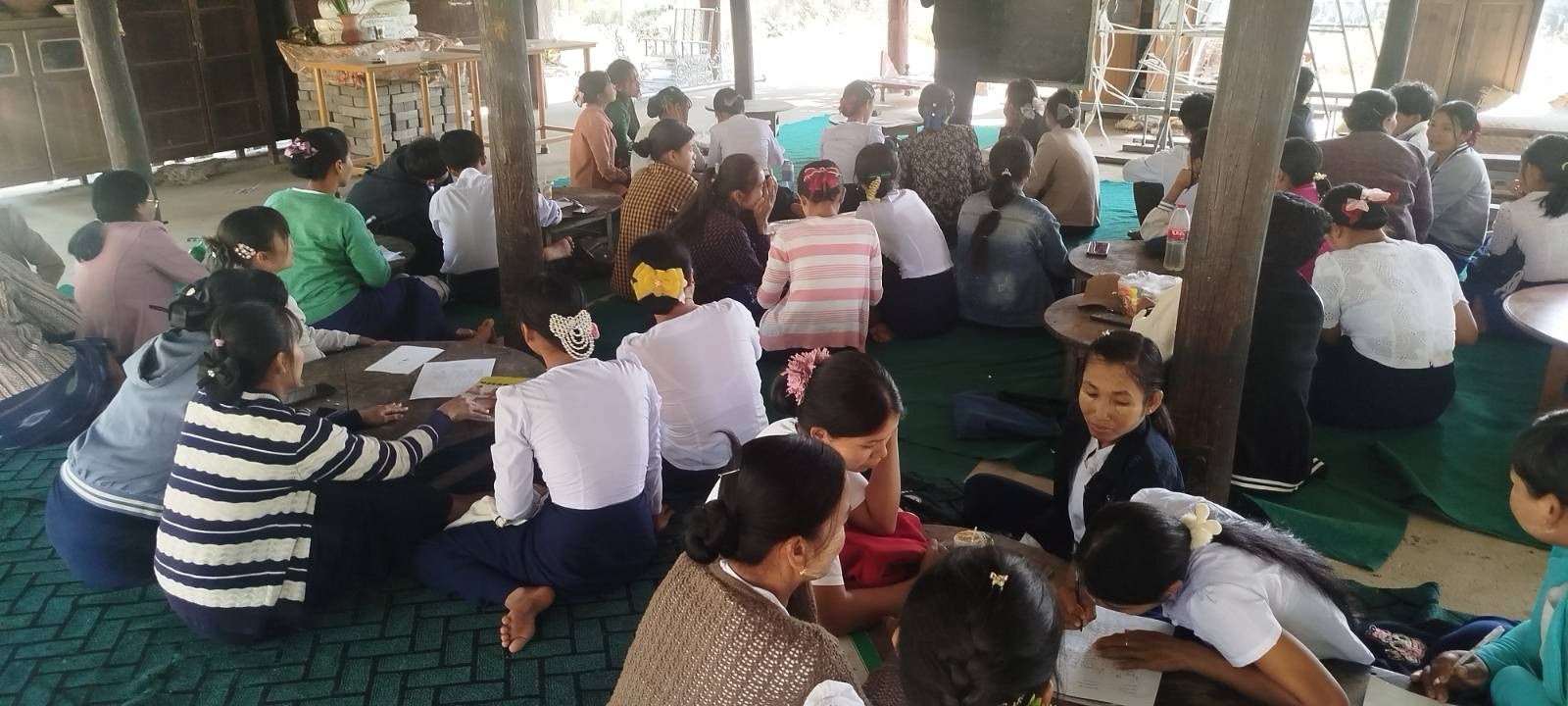
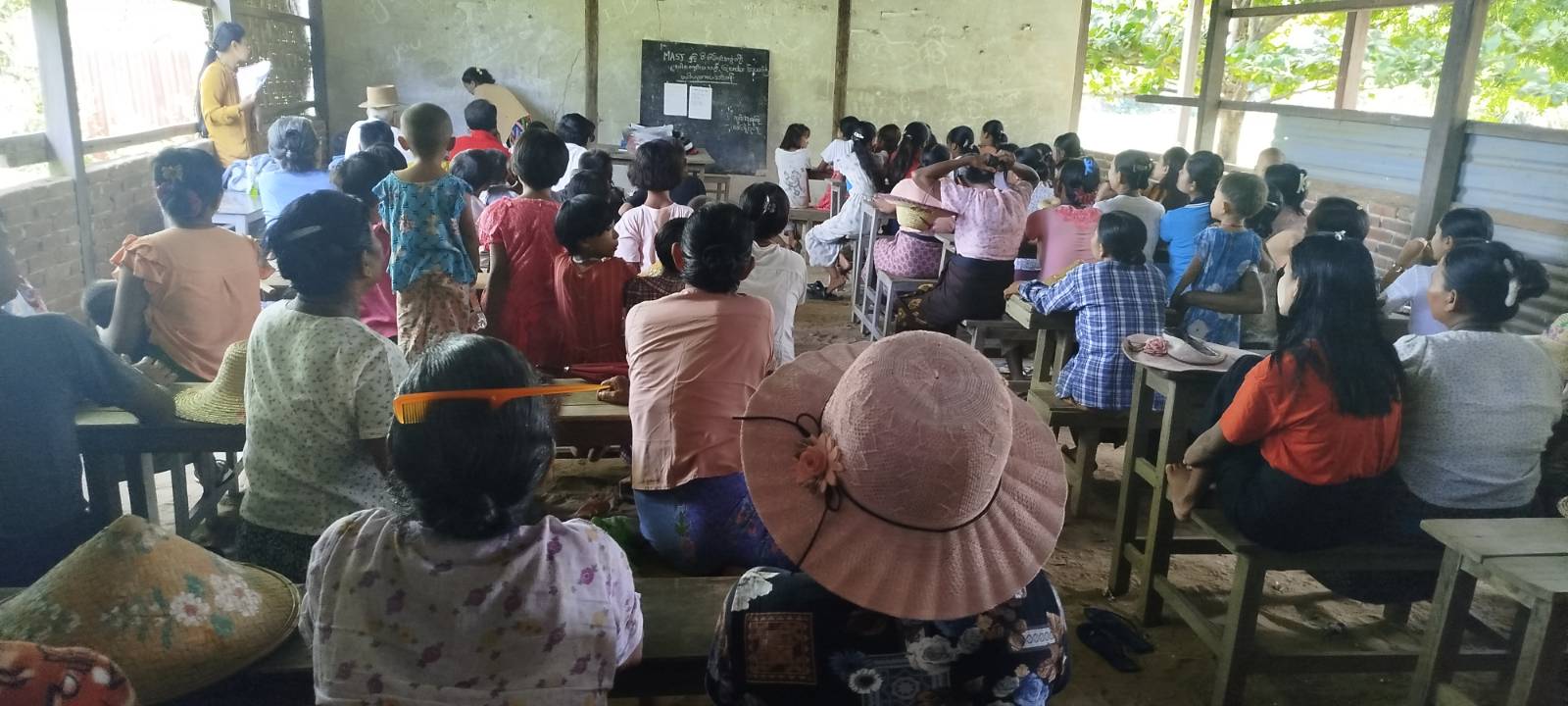
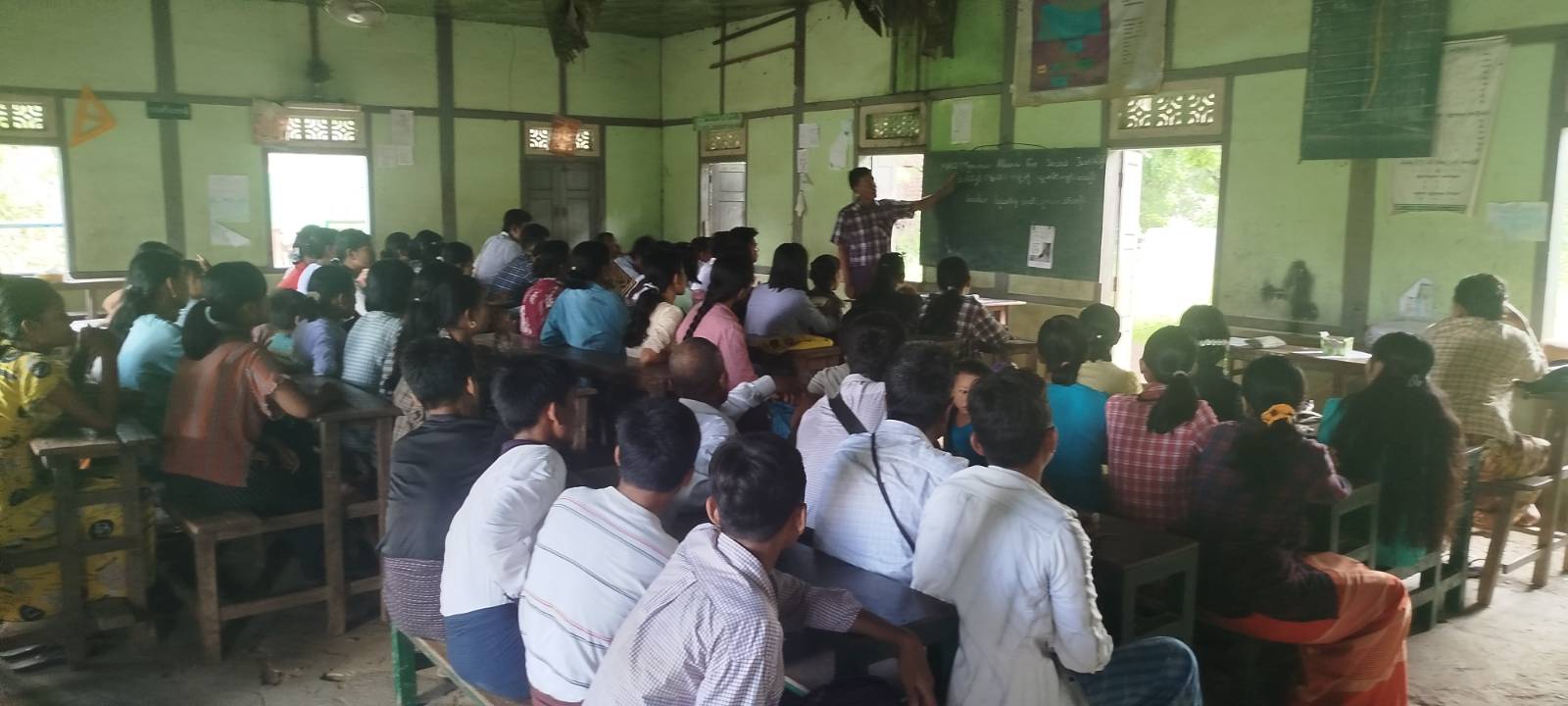
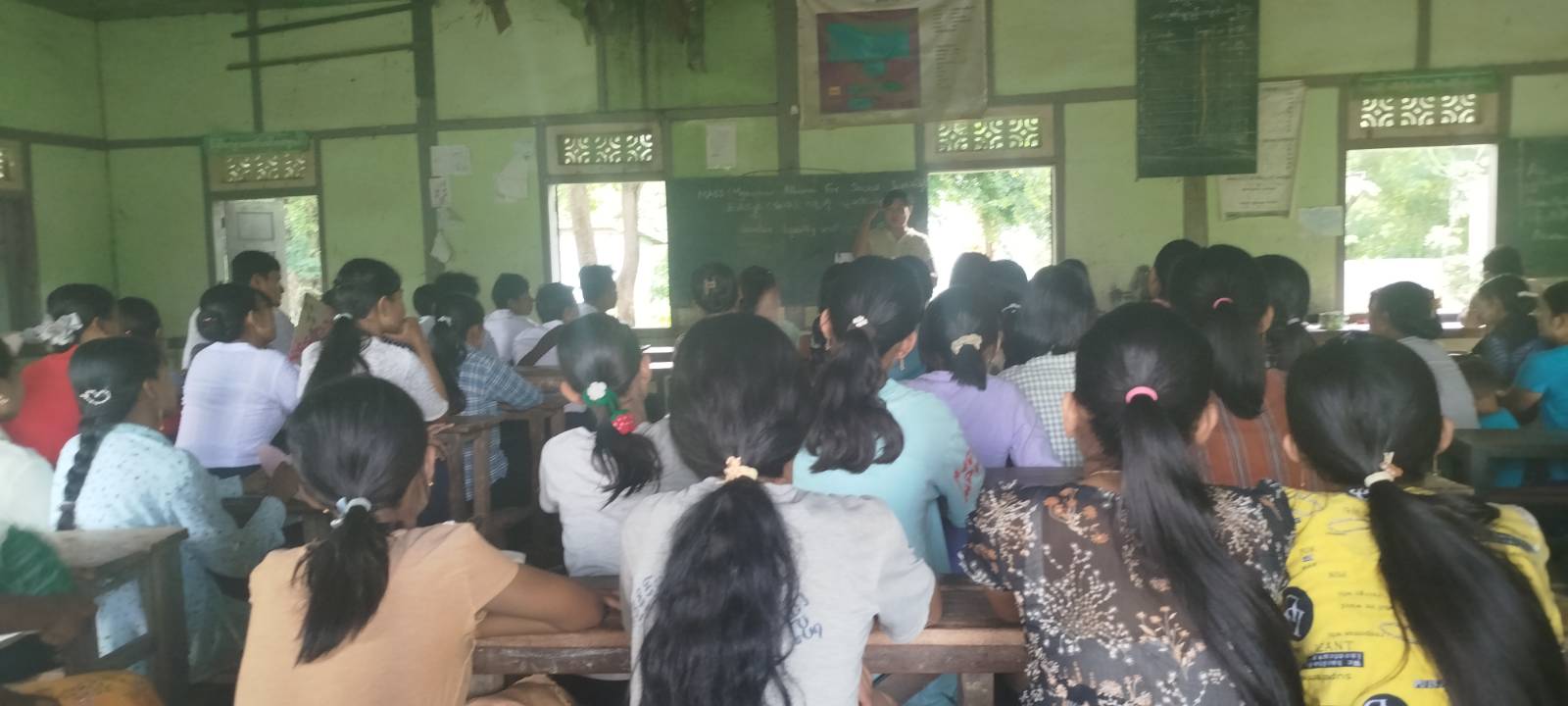
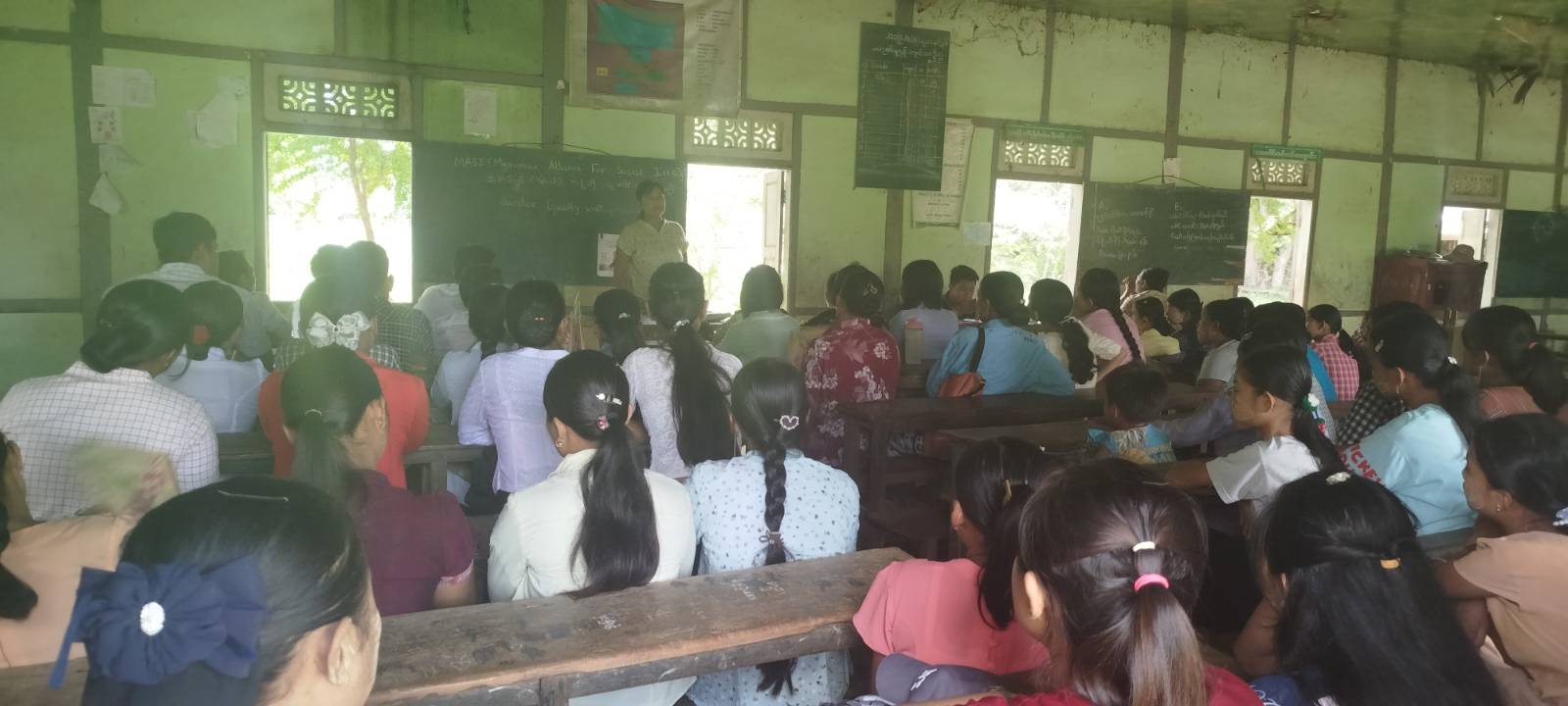
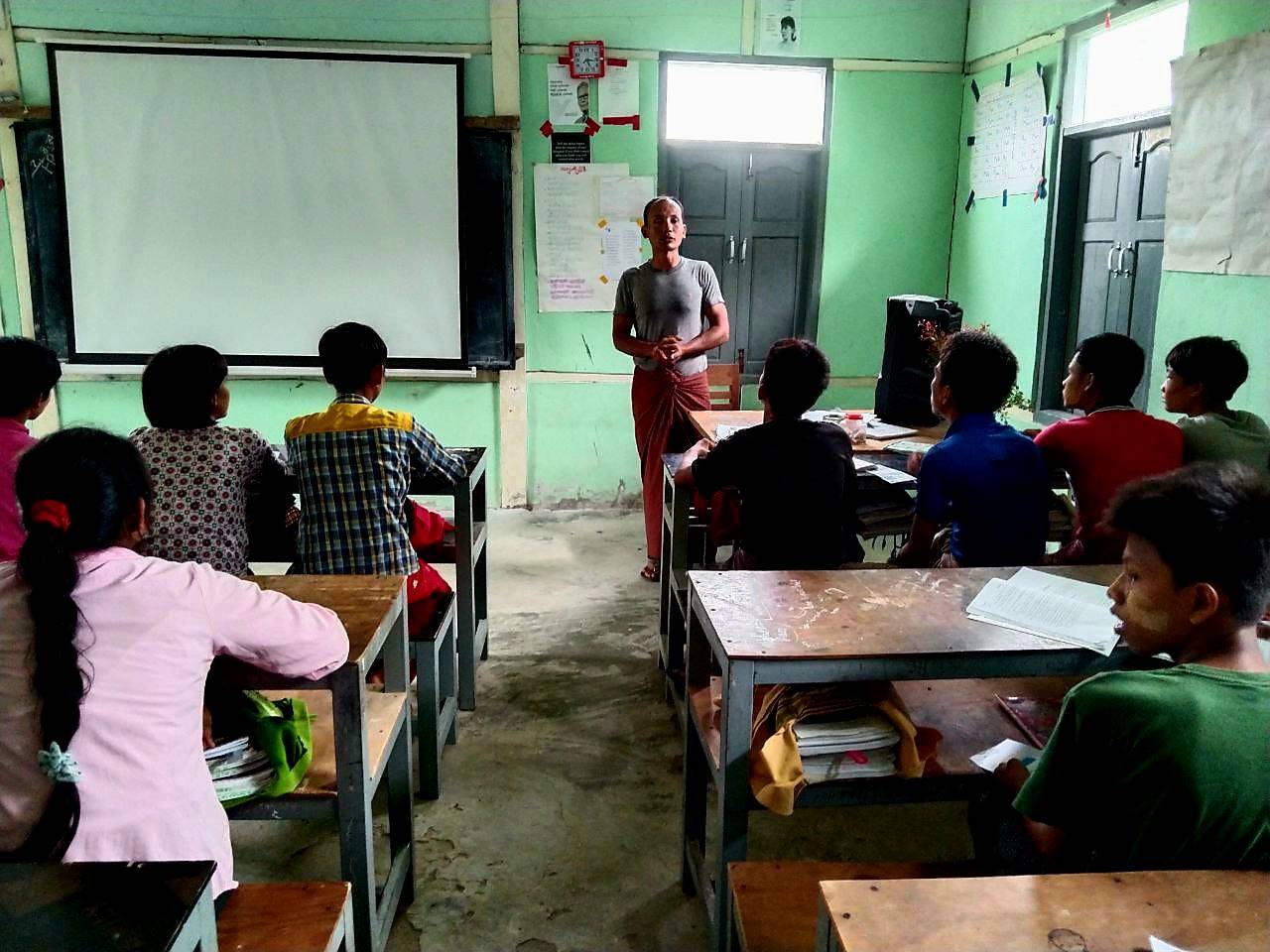
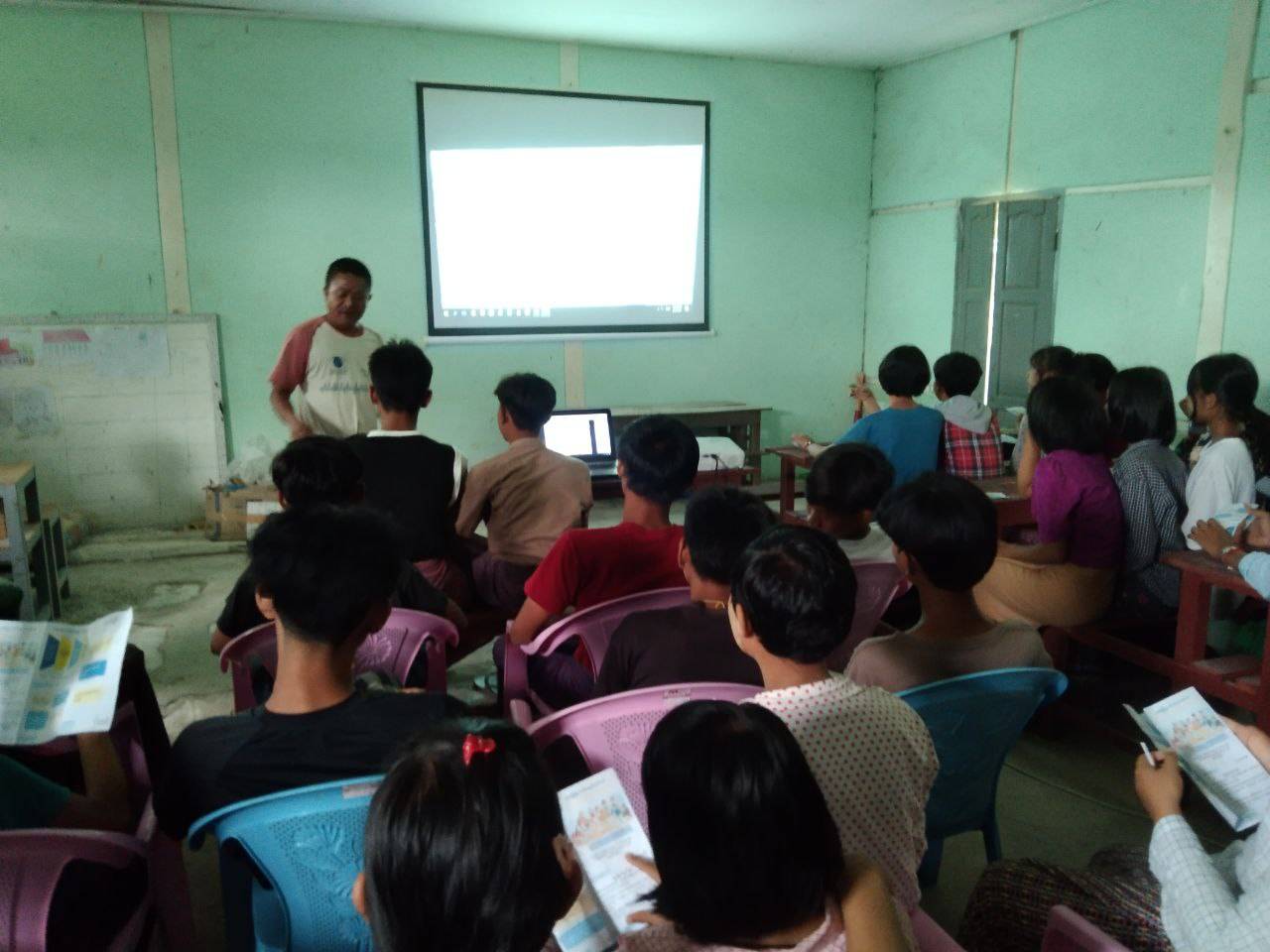
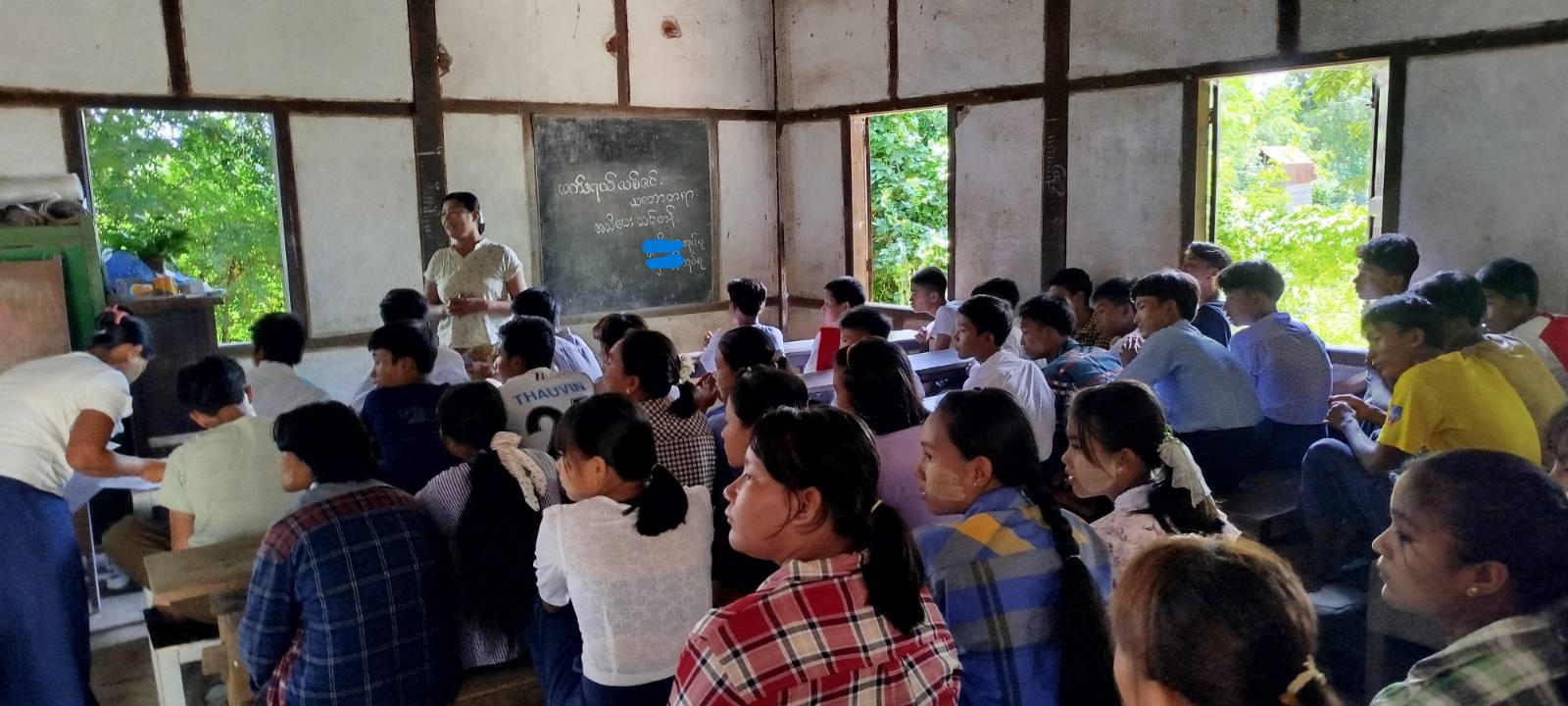
Access to reliable health information is critical, especially in times of disruption. Together with local partners, we facilitate learning spaces where communities exchange knowledge on:
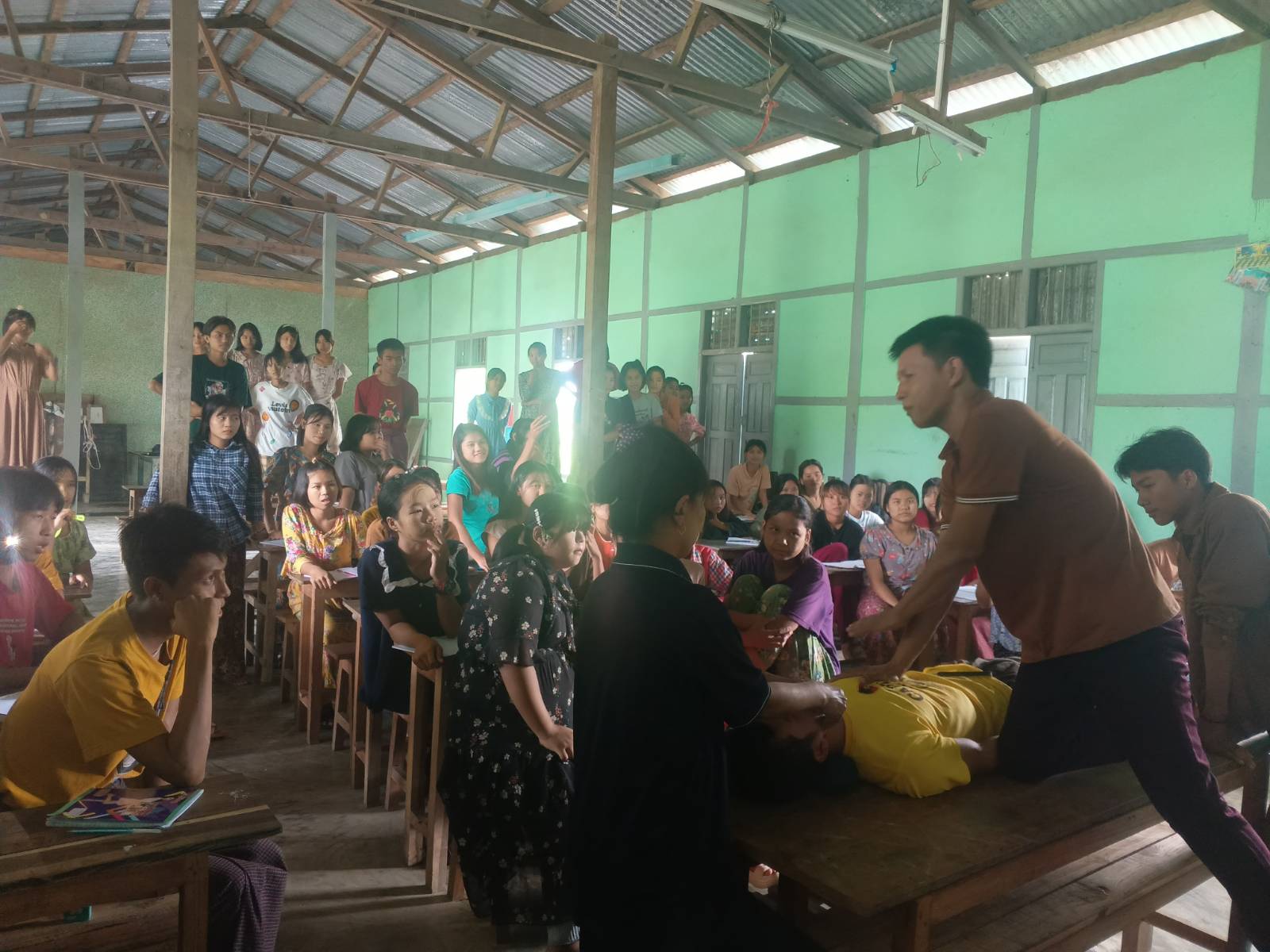
- First aid and emergency response
- Reproductive health and family planning
- Mental health and trauma awareness
These conversations help communities respond to immediate health needs while supporting long-term well-being.
Education Support
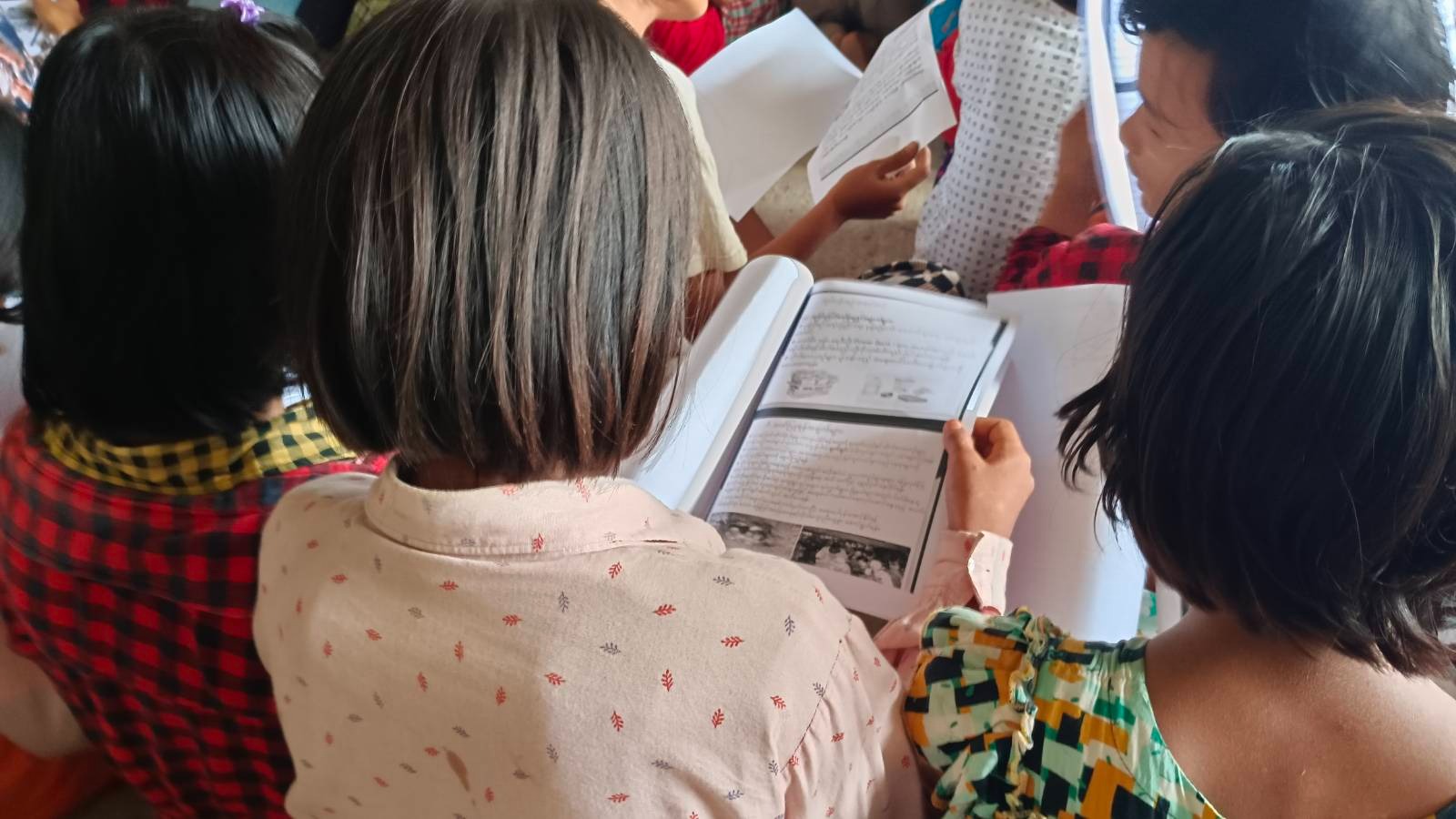
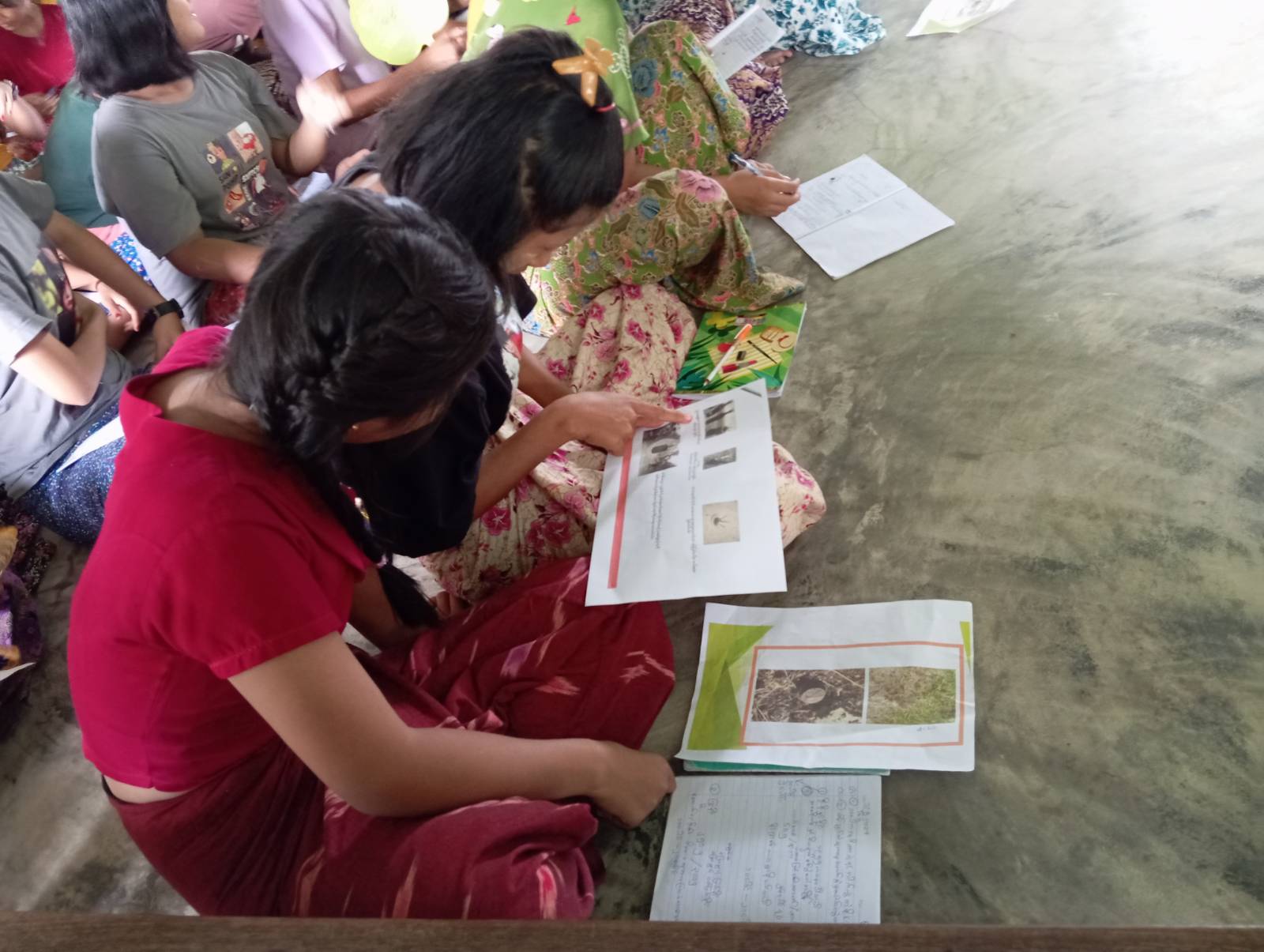
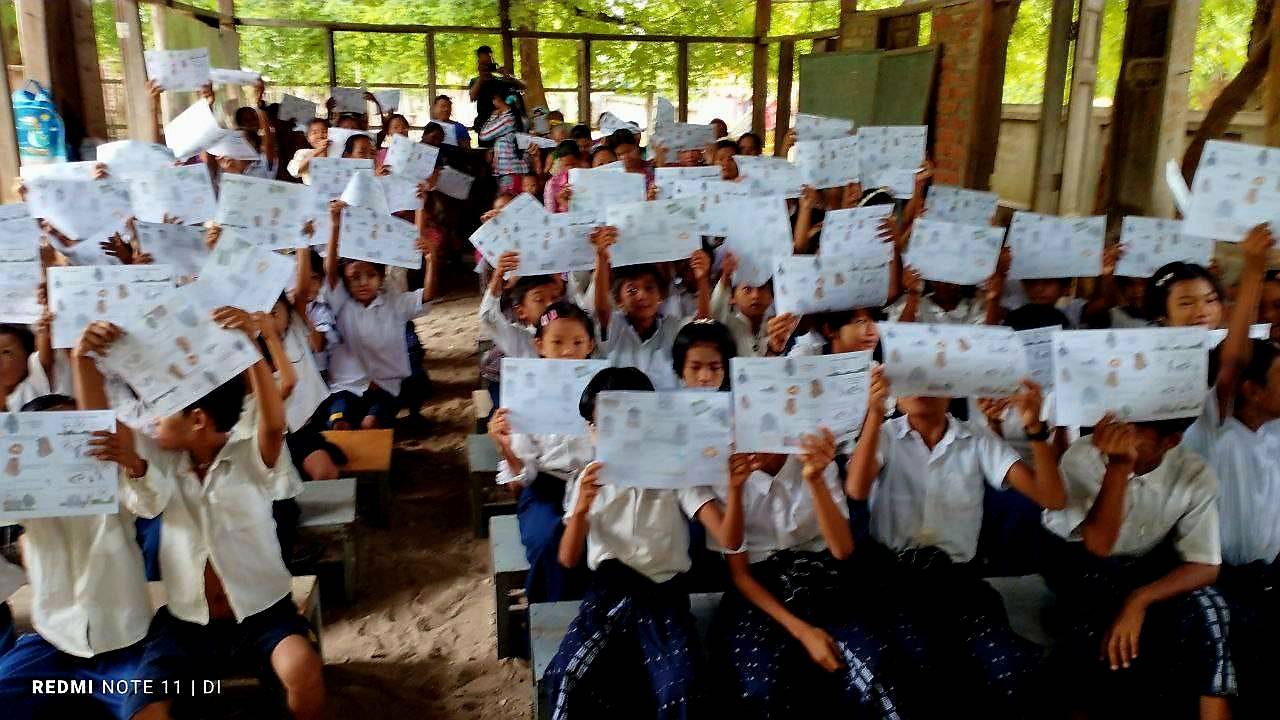
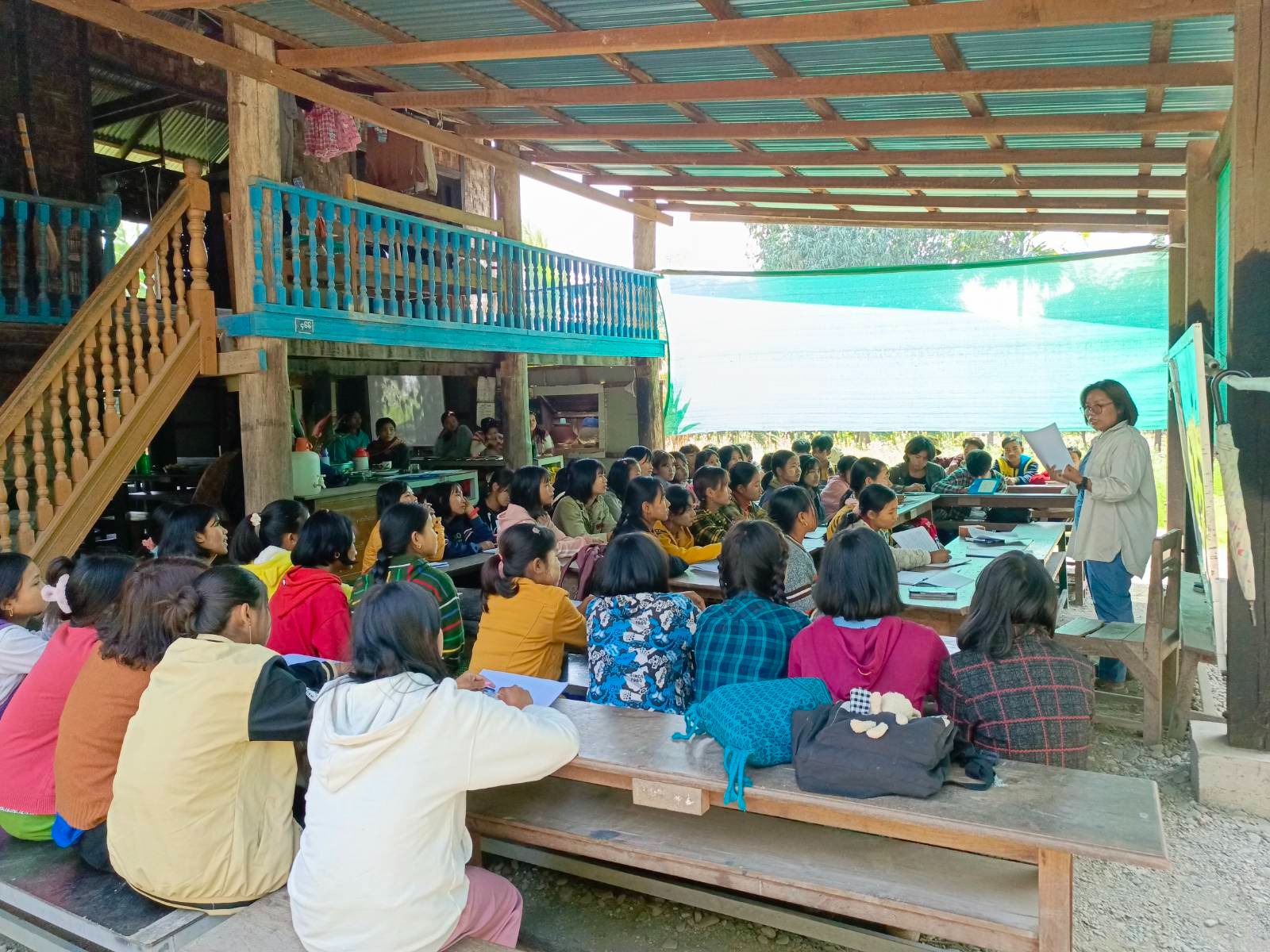
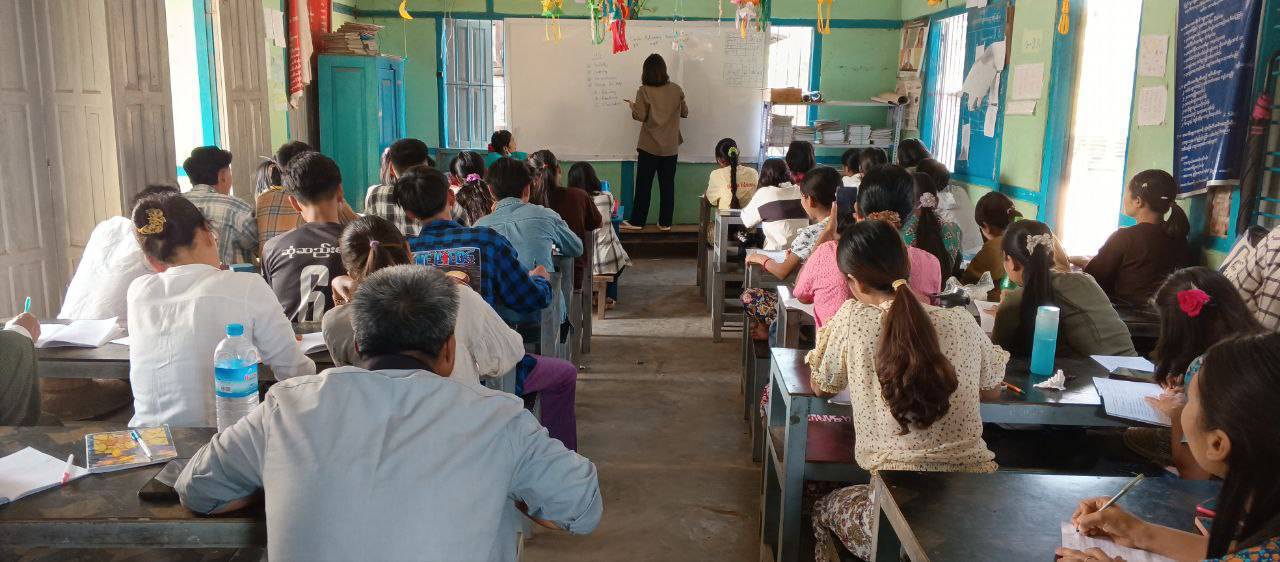
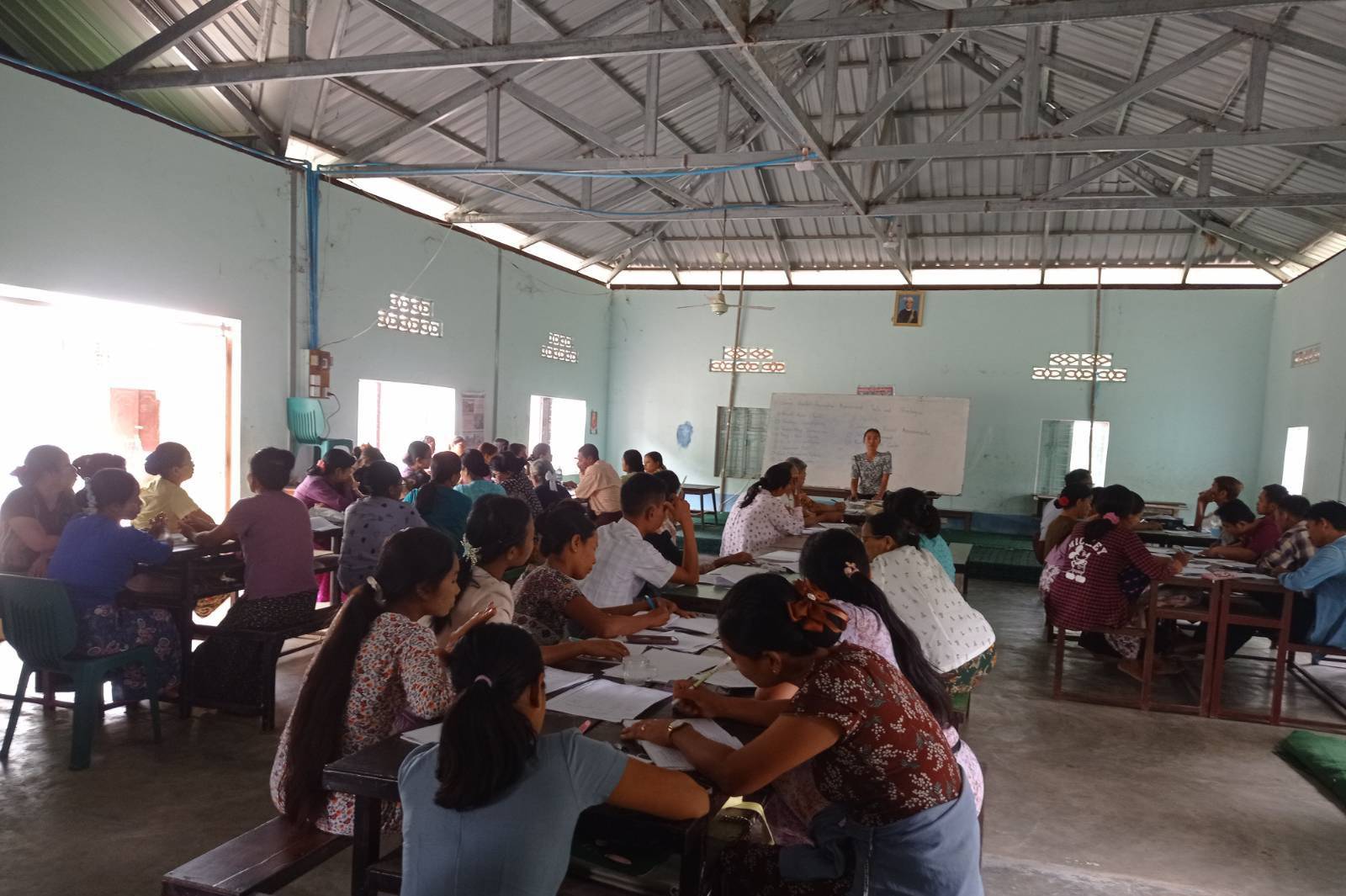
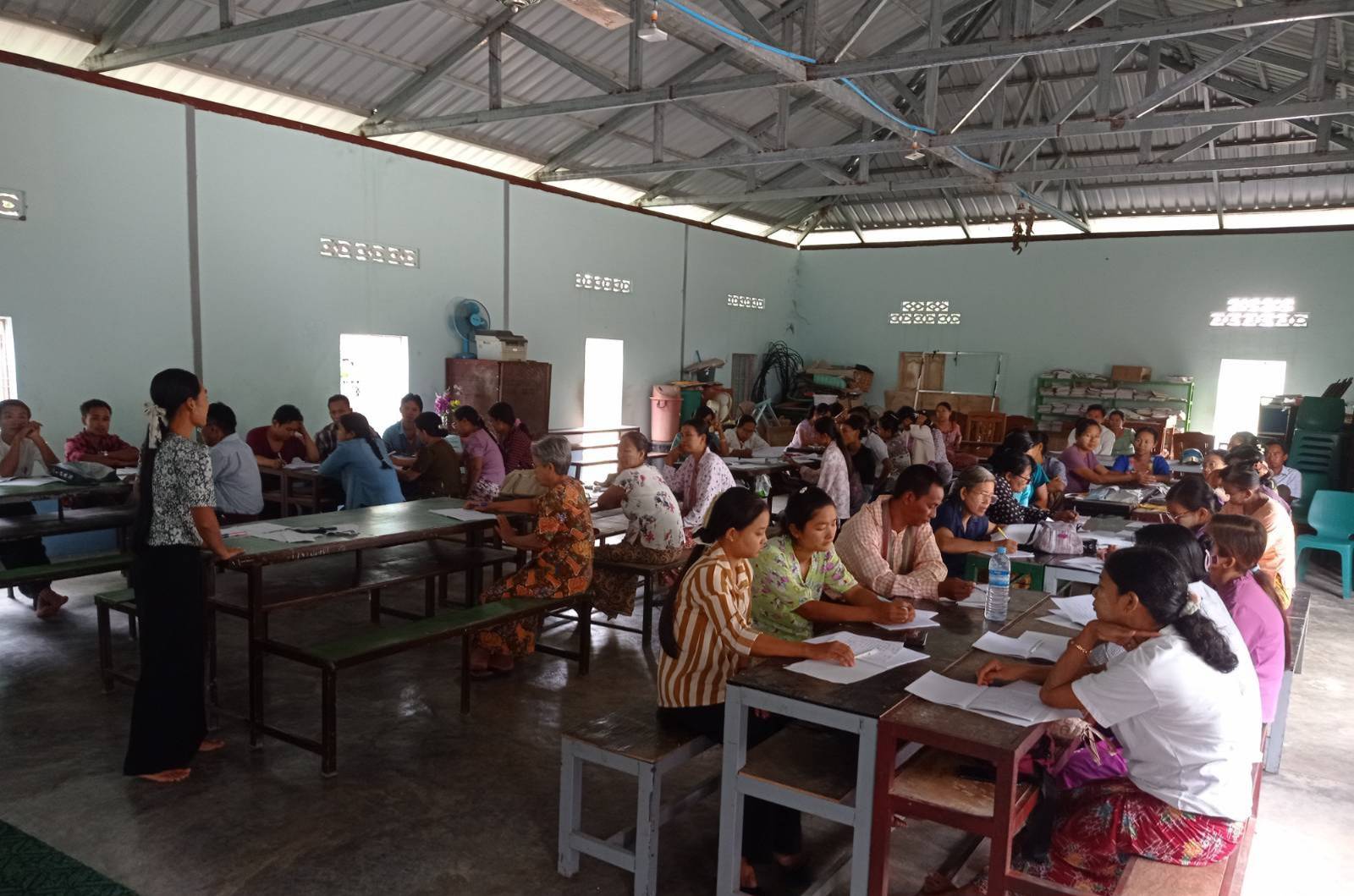
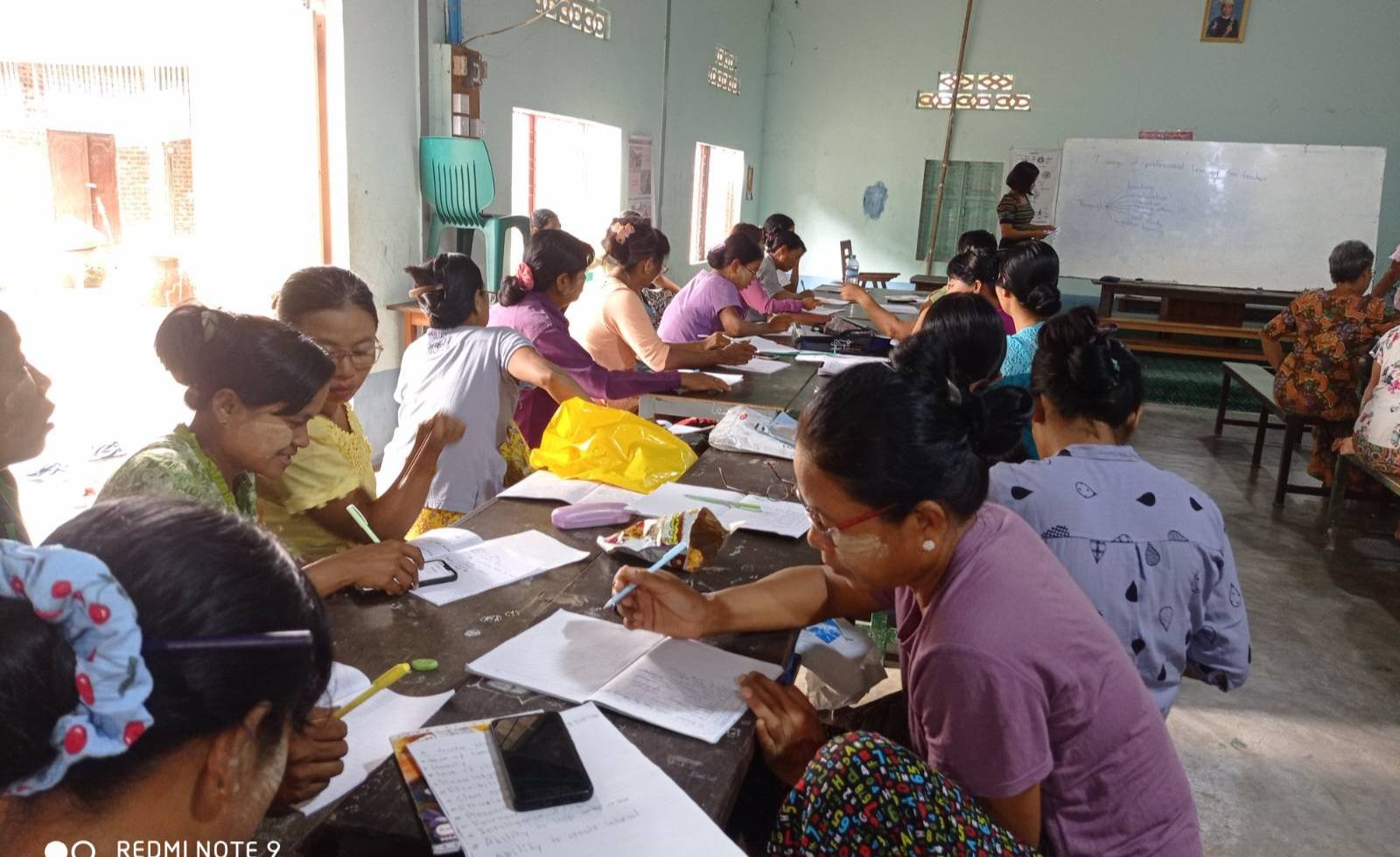
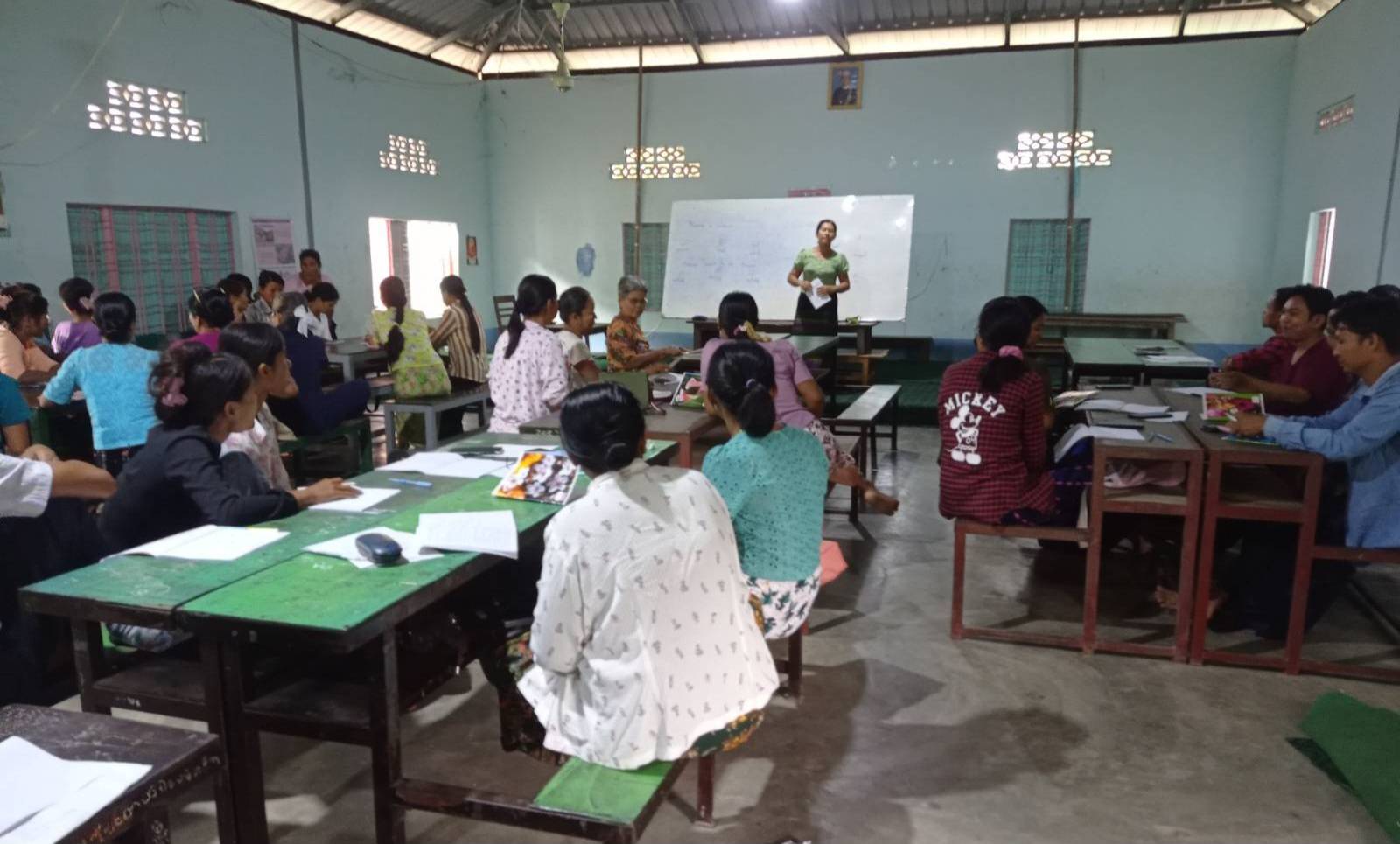
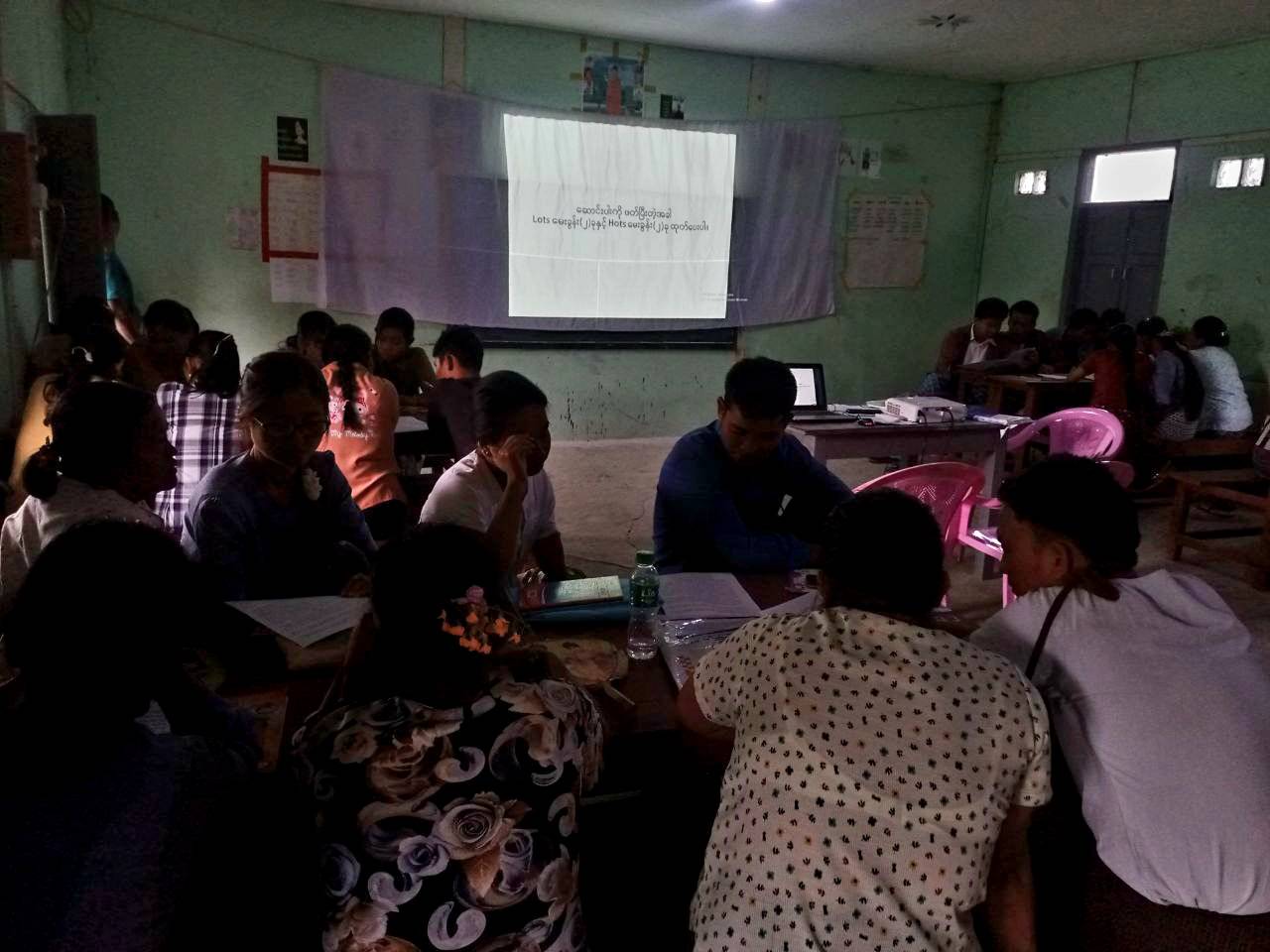
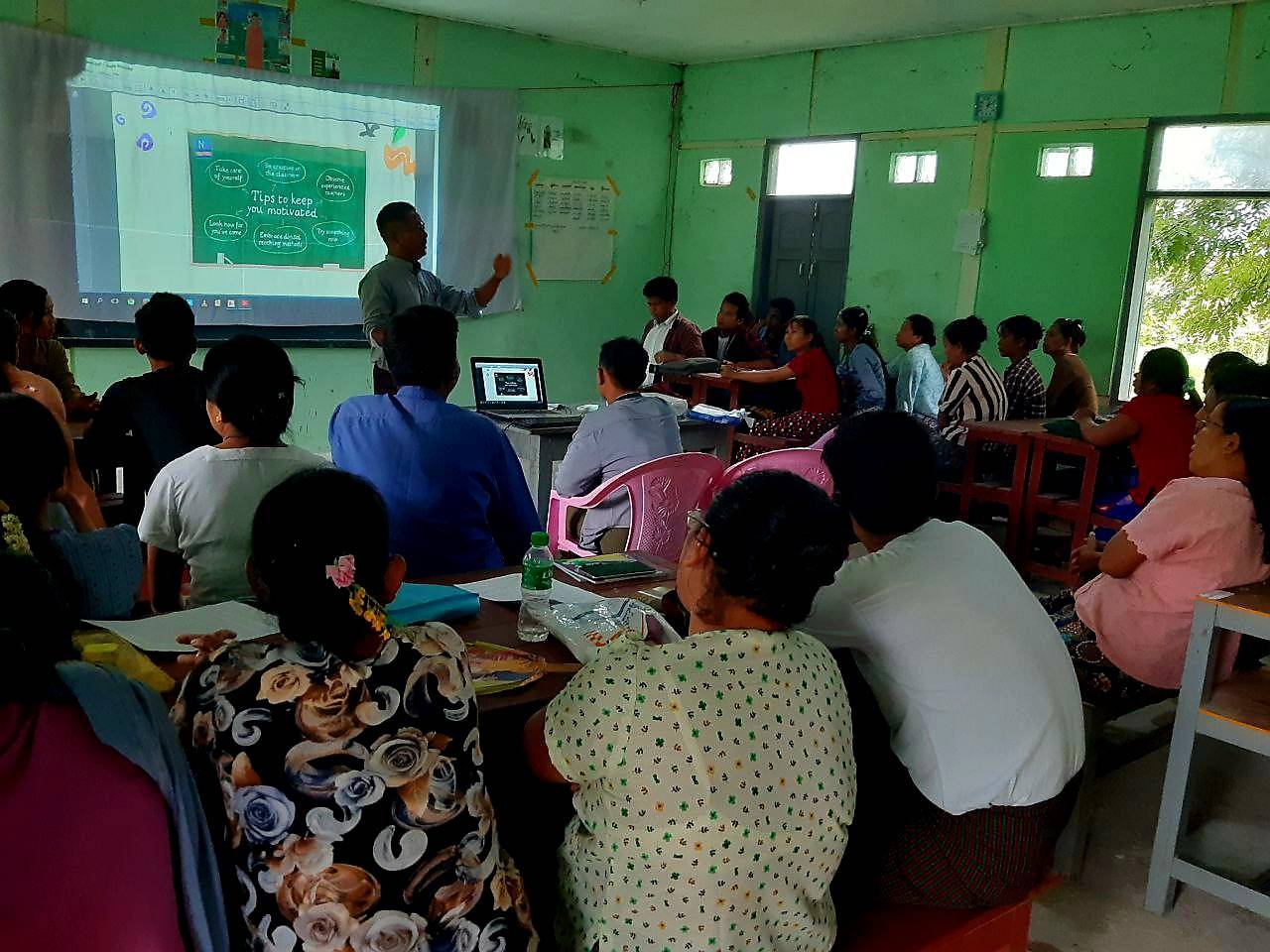
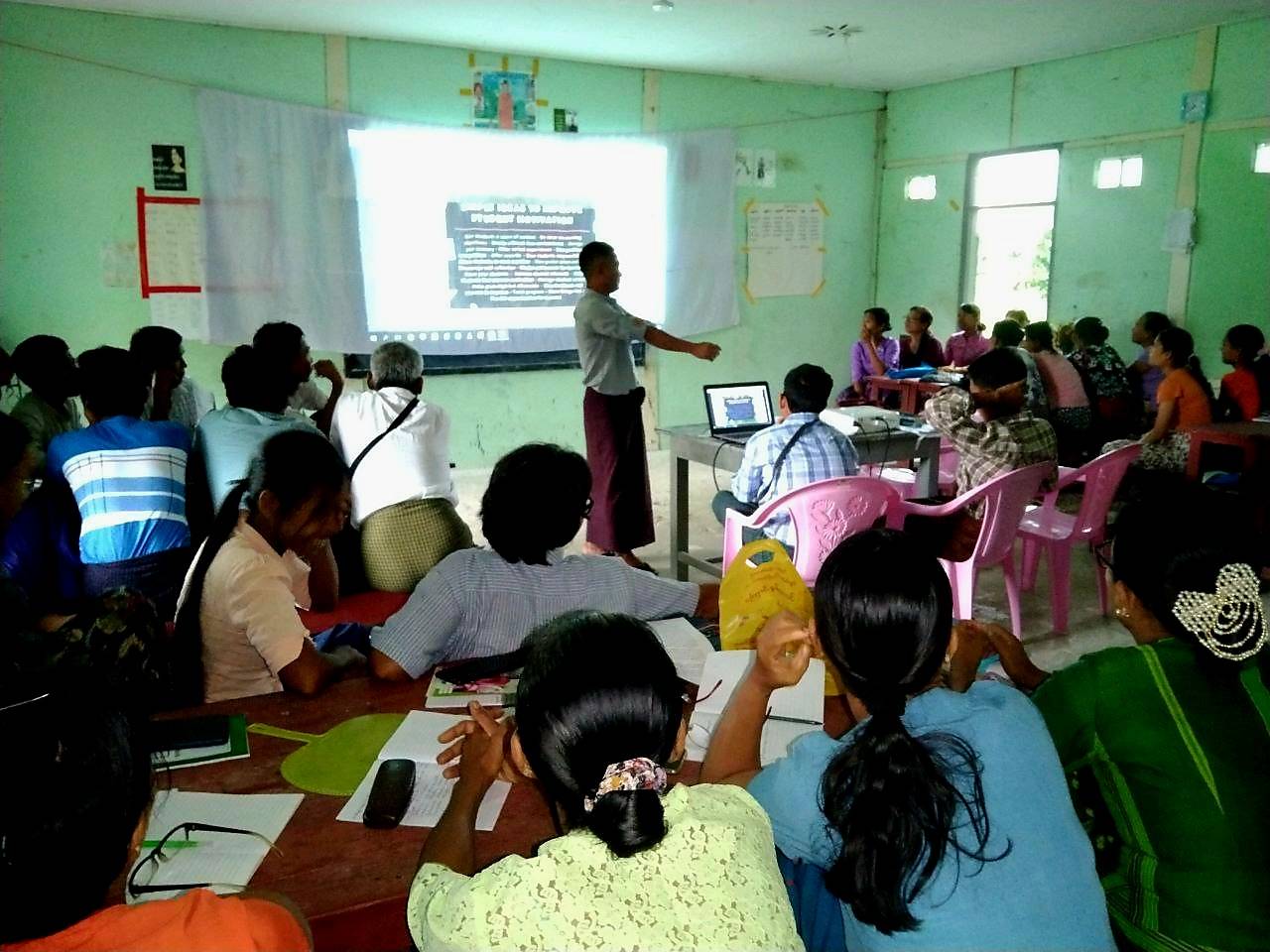
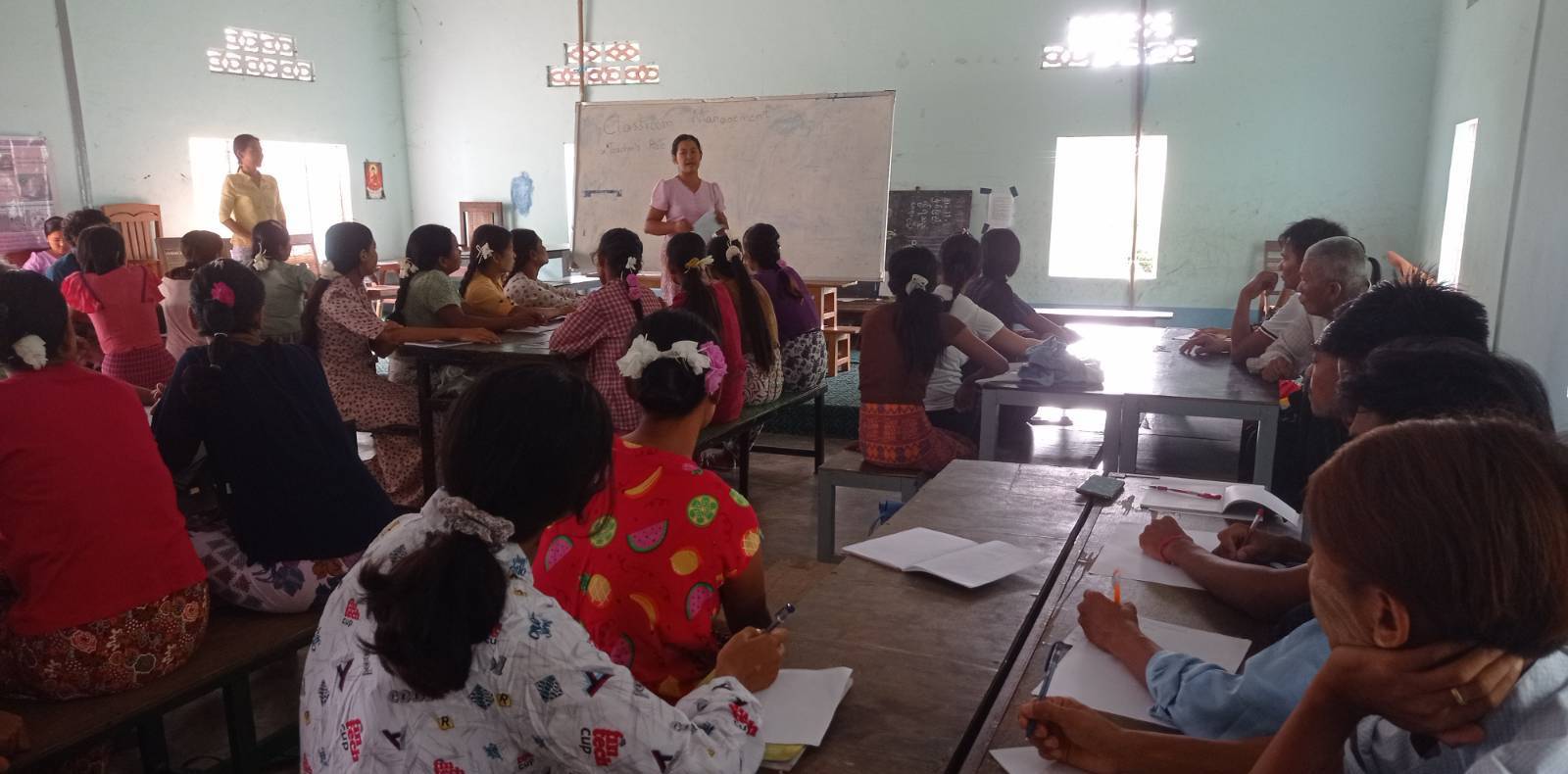
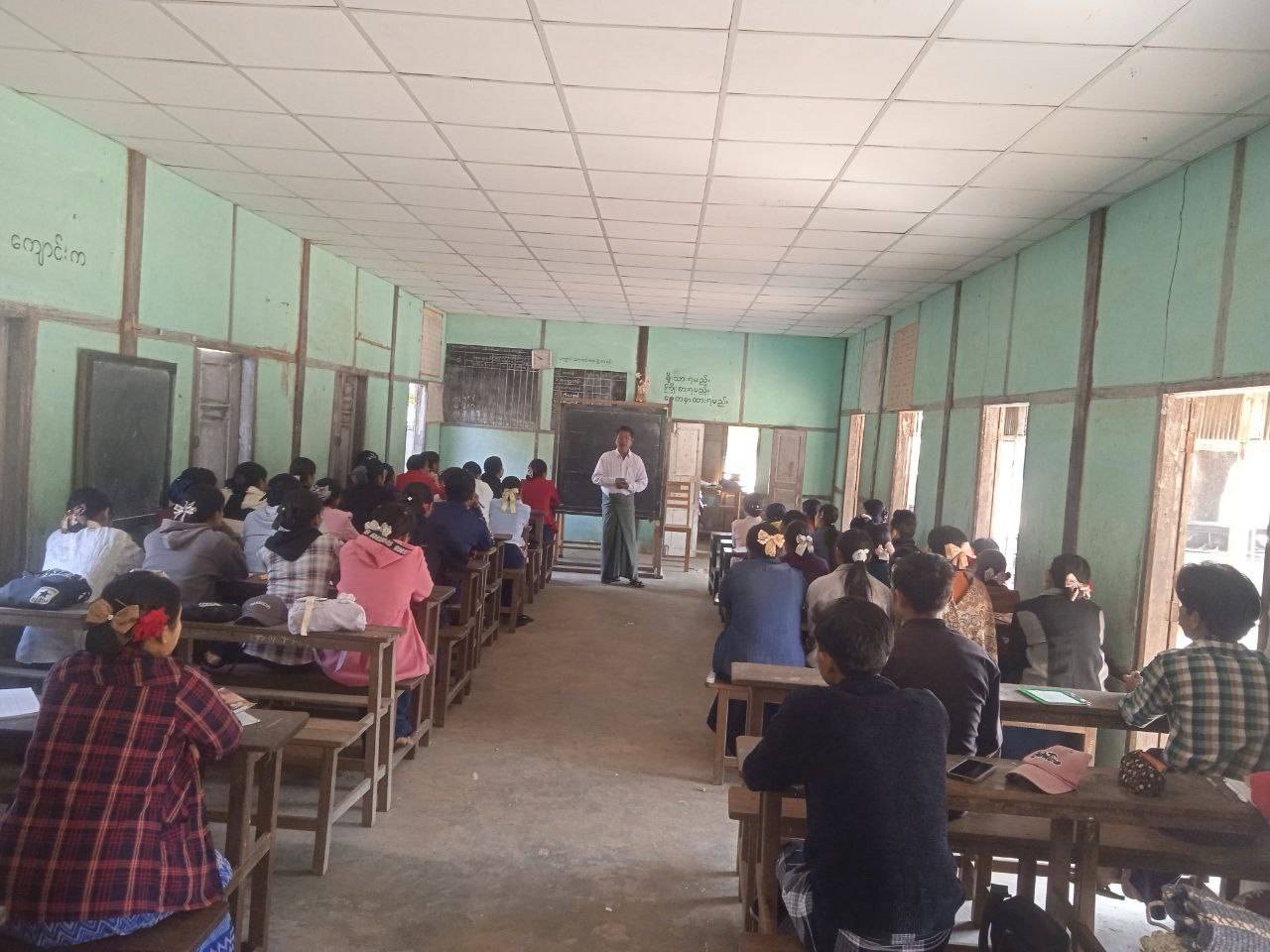
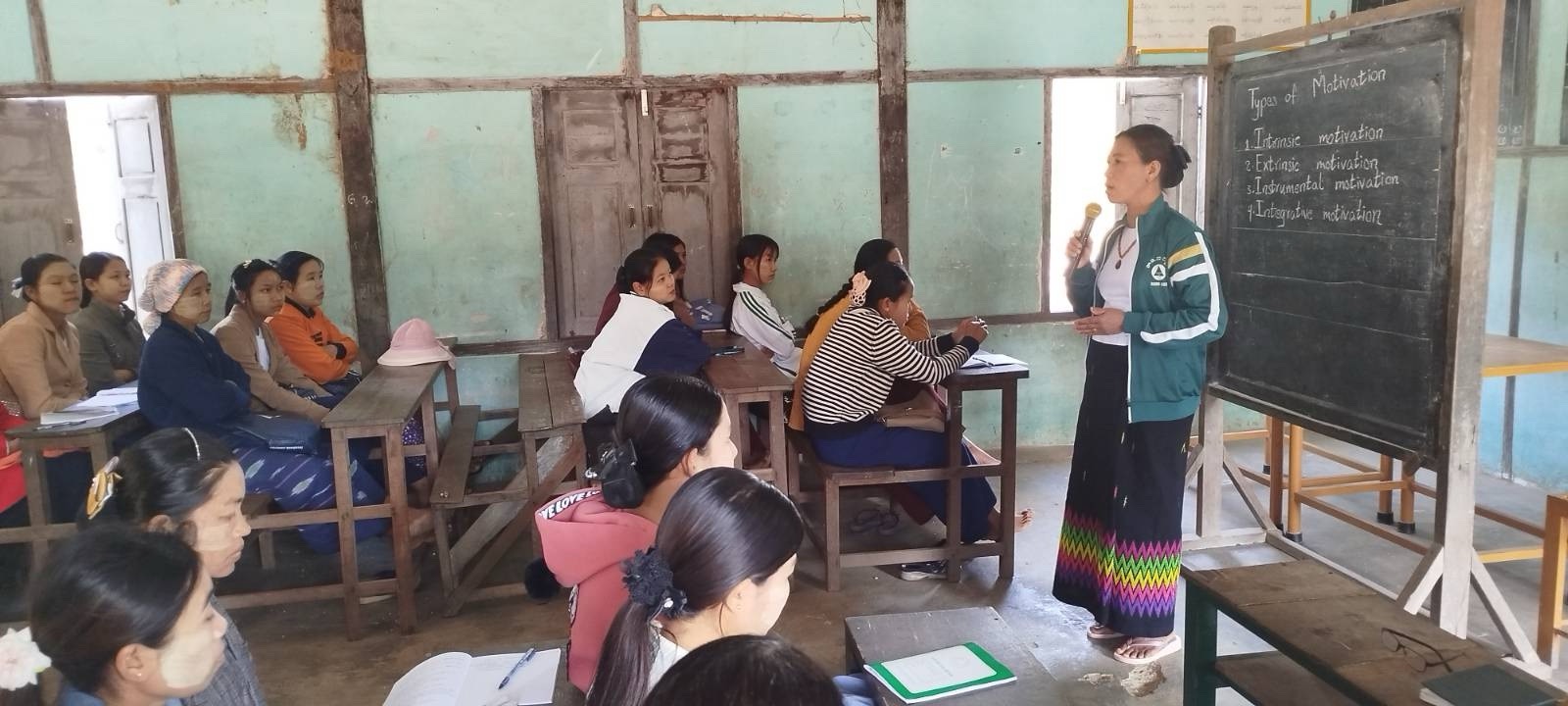
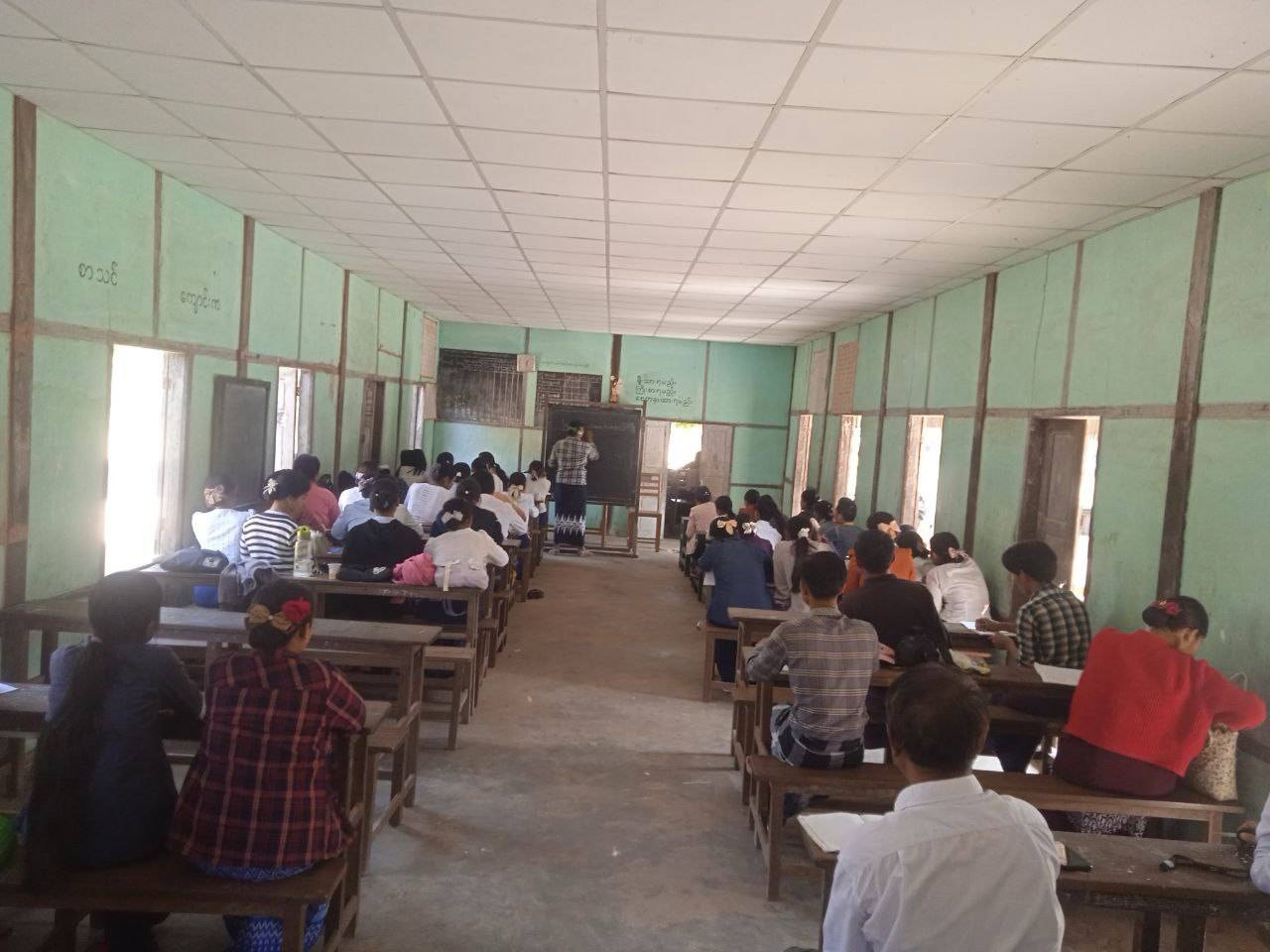
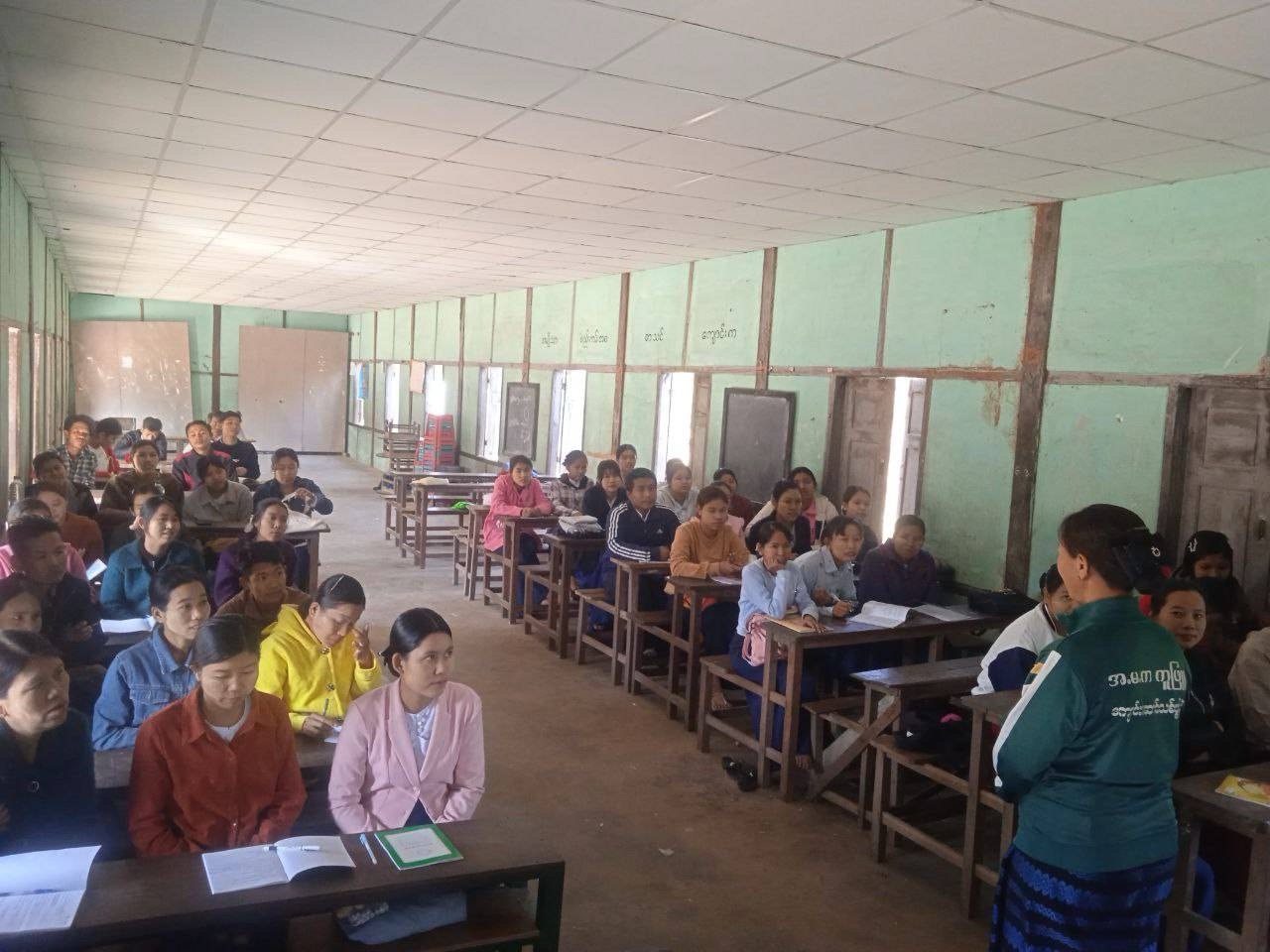
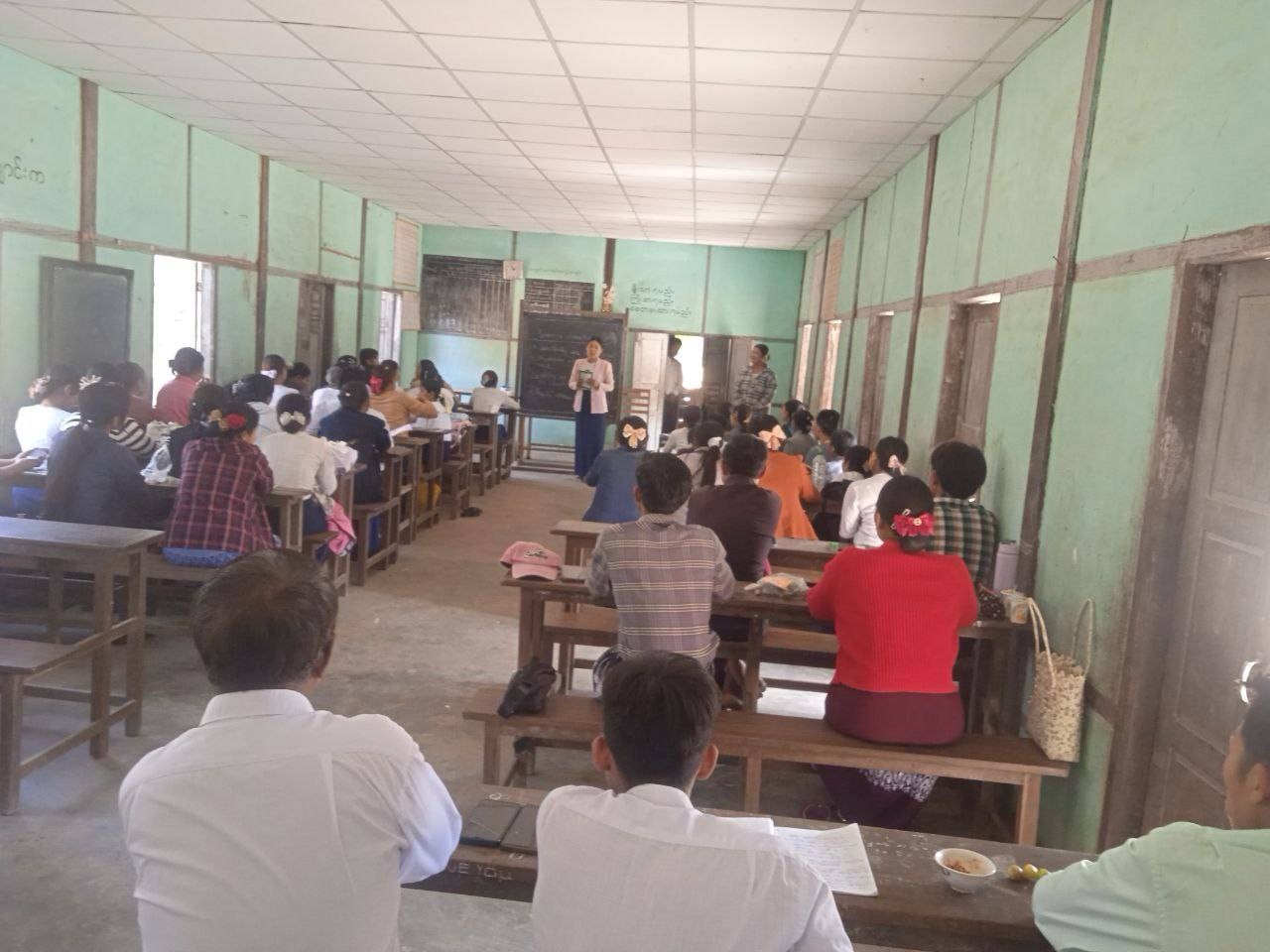
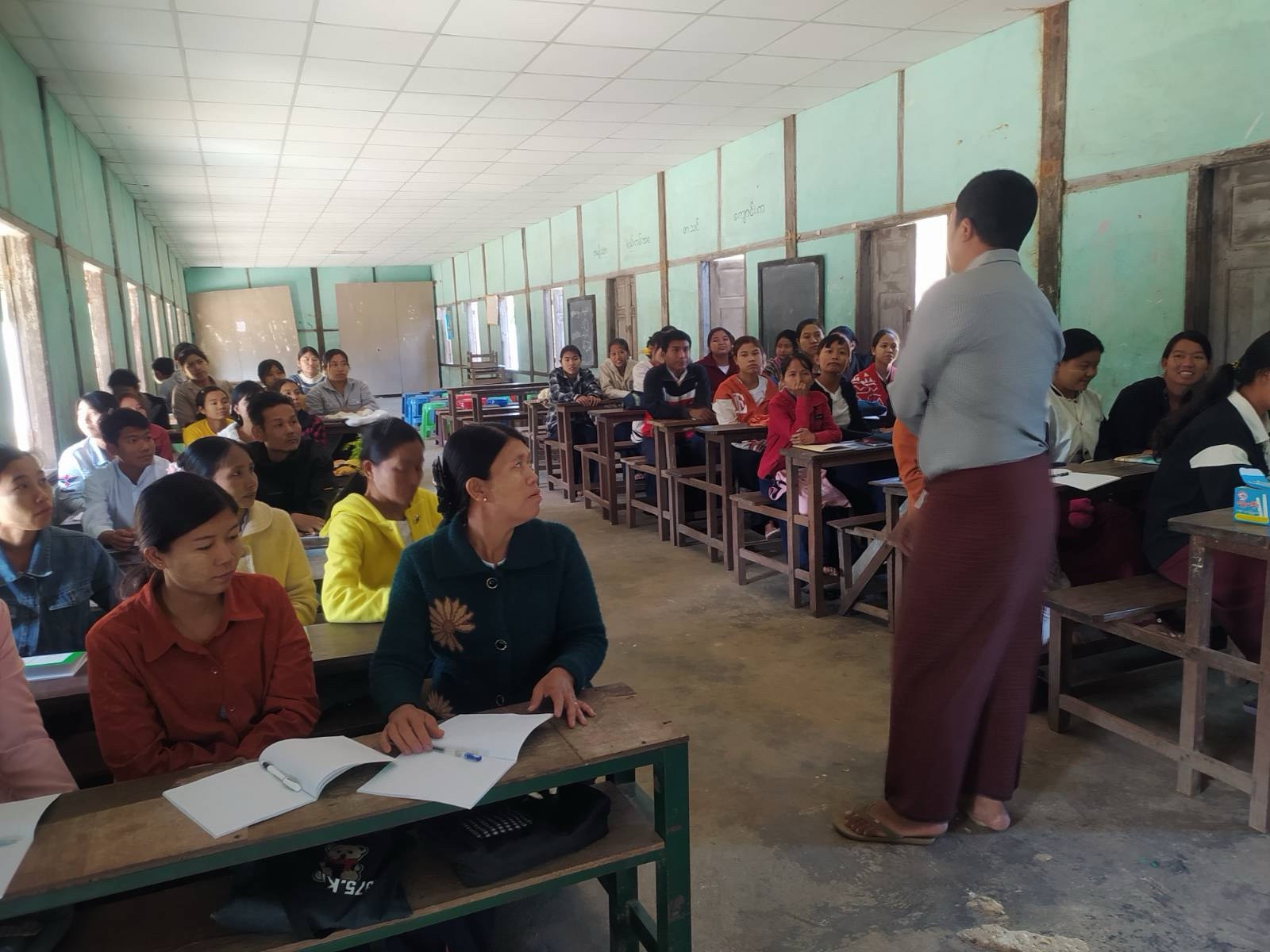
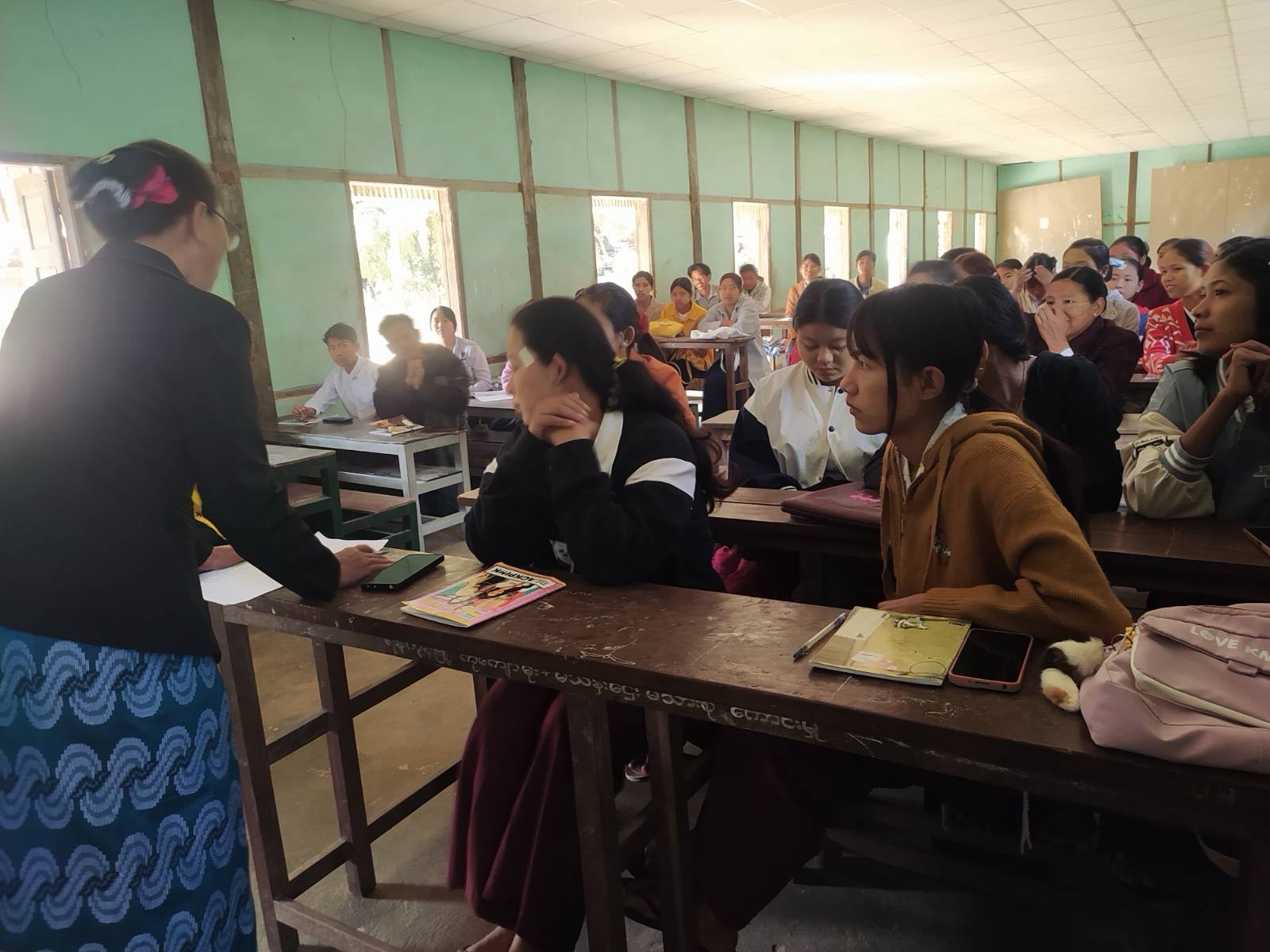
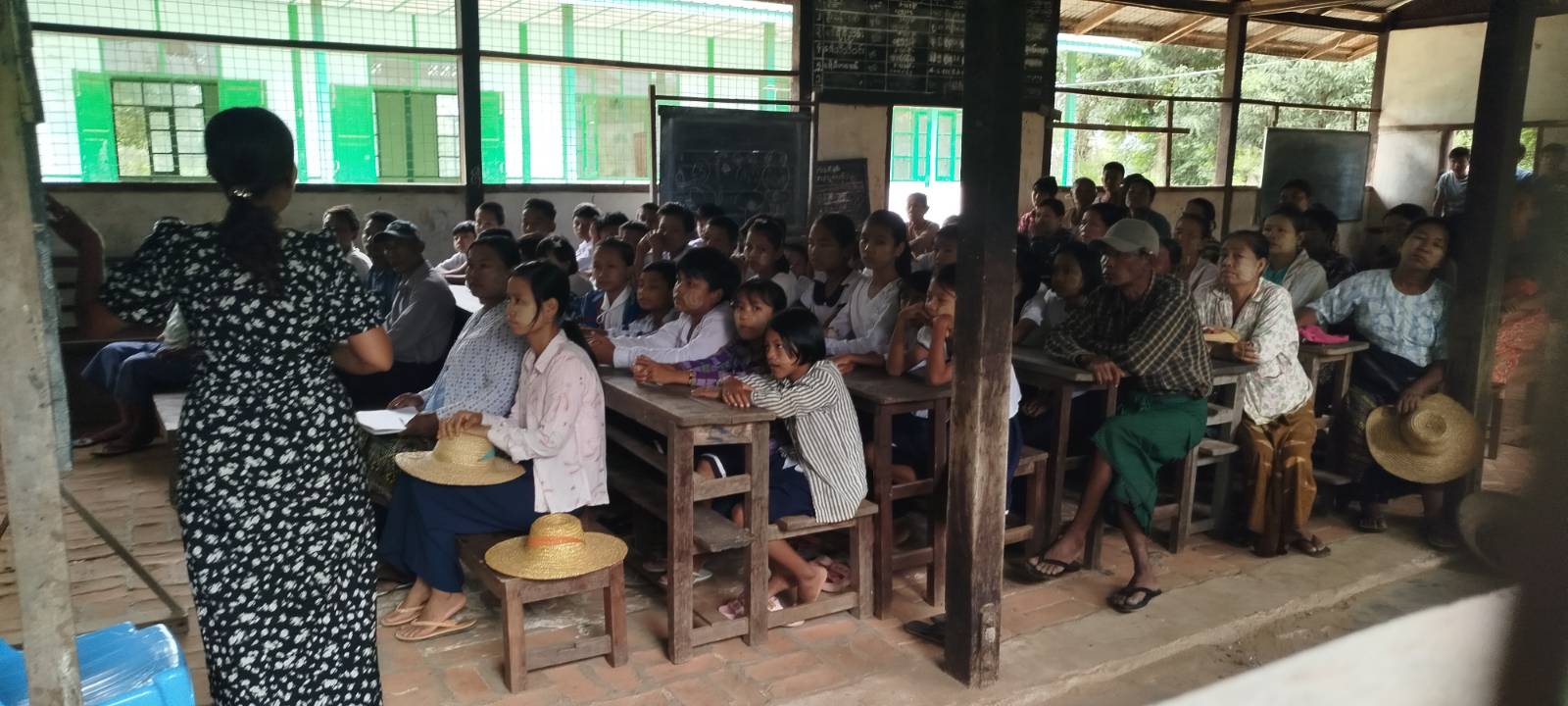
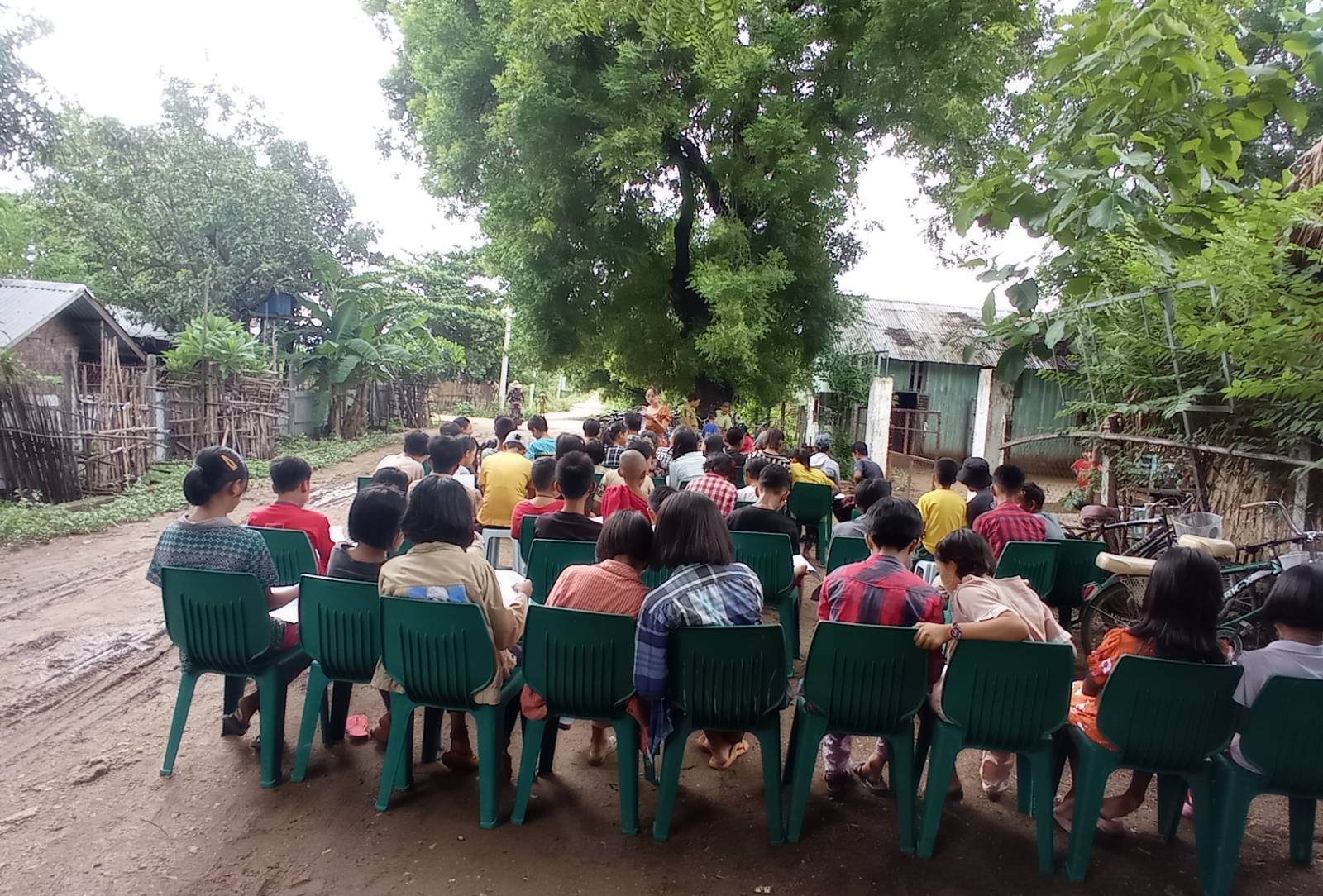
In many communities, education has been significantly disrupted. We work with educators, volunteers, and families to support learning in ways that reflect current realities.
This includes sharing adaptable teaching approaches, creating supportive learning environments, and strengthening community involvement in education — helping children continue learning even in challenging conditions.

Gender Equality and Inclusion
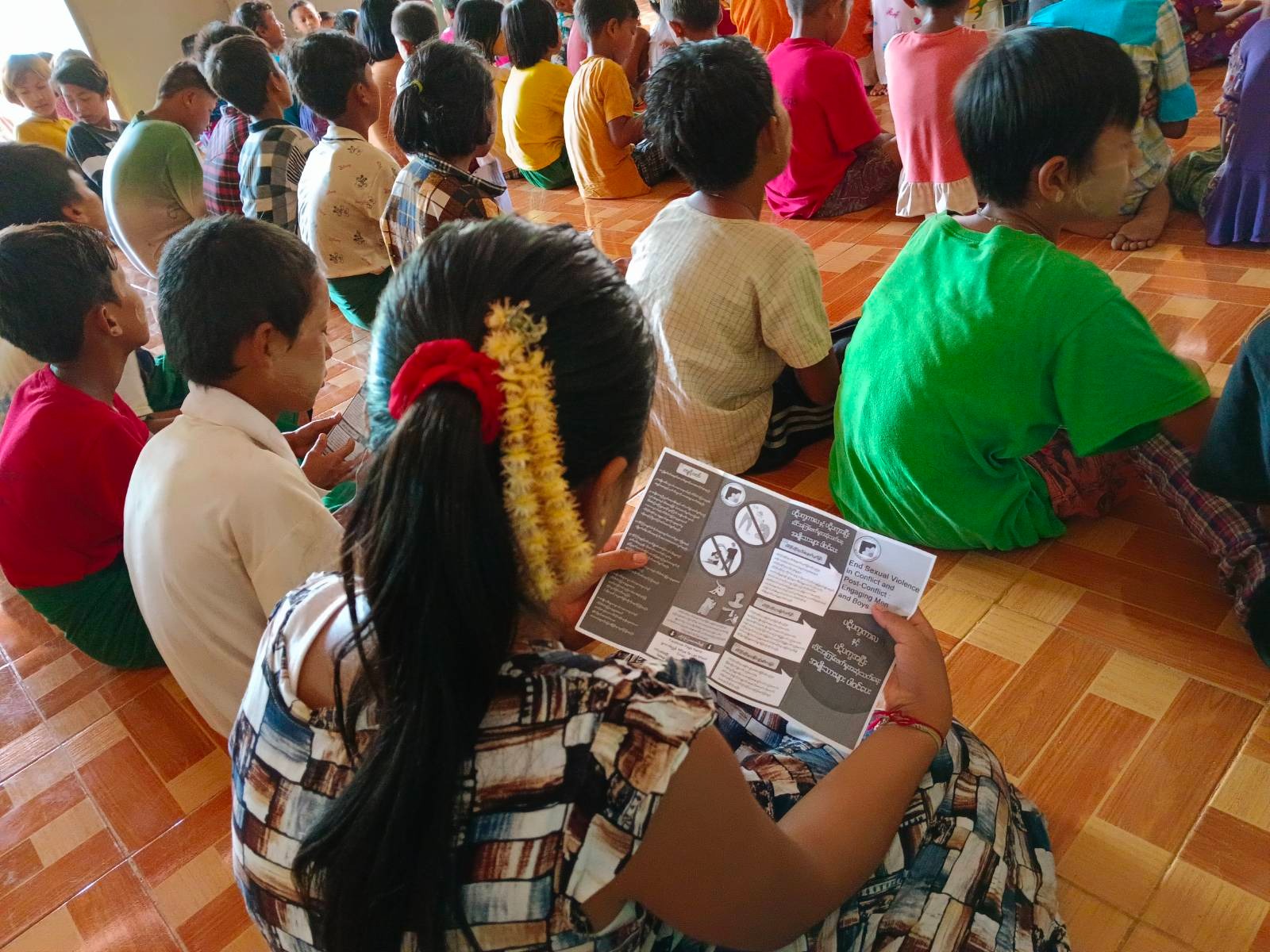
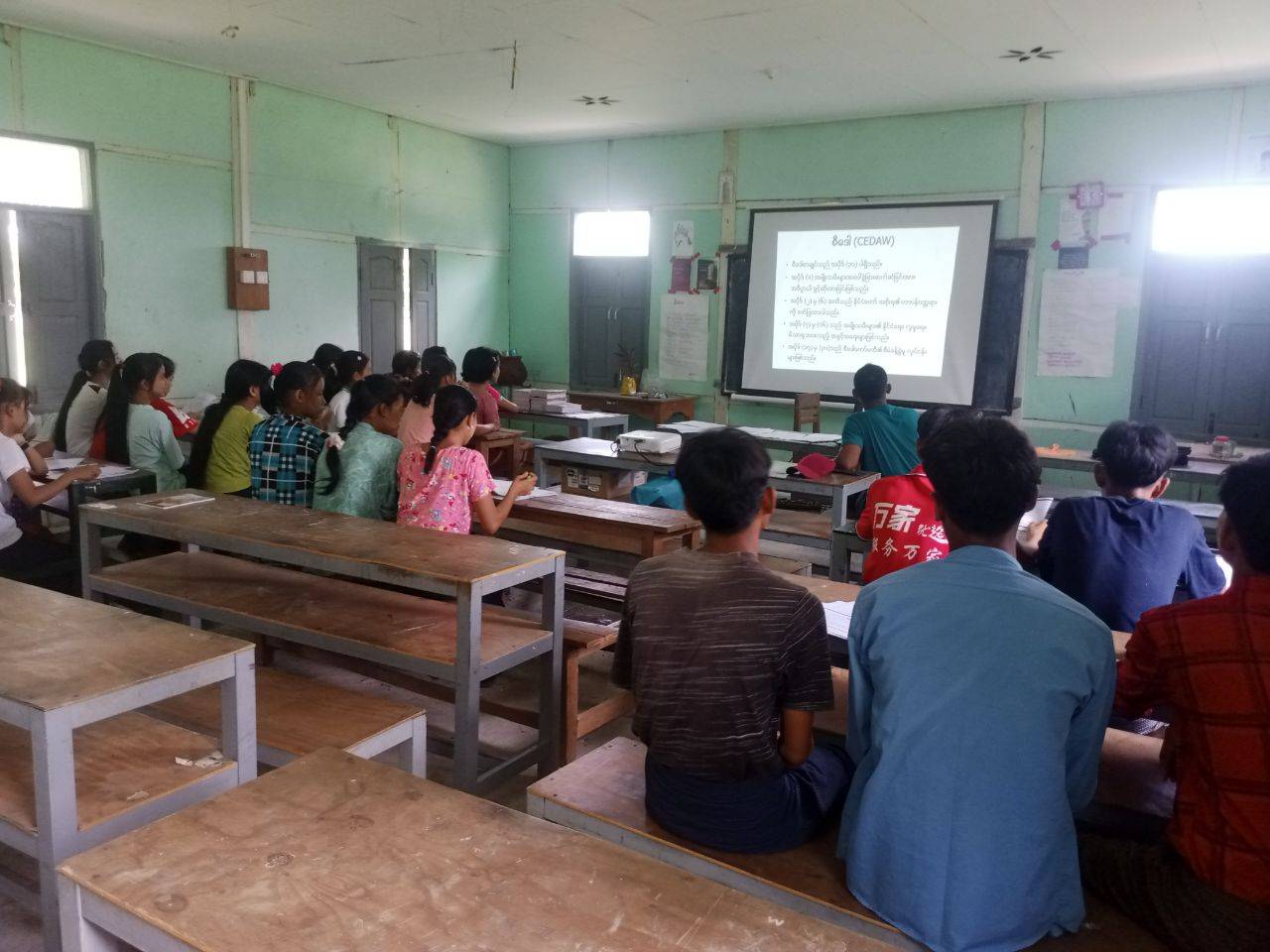
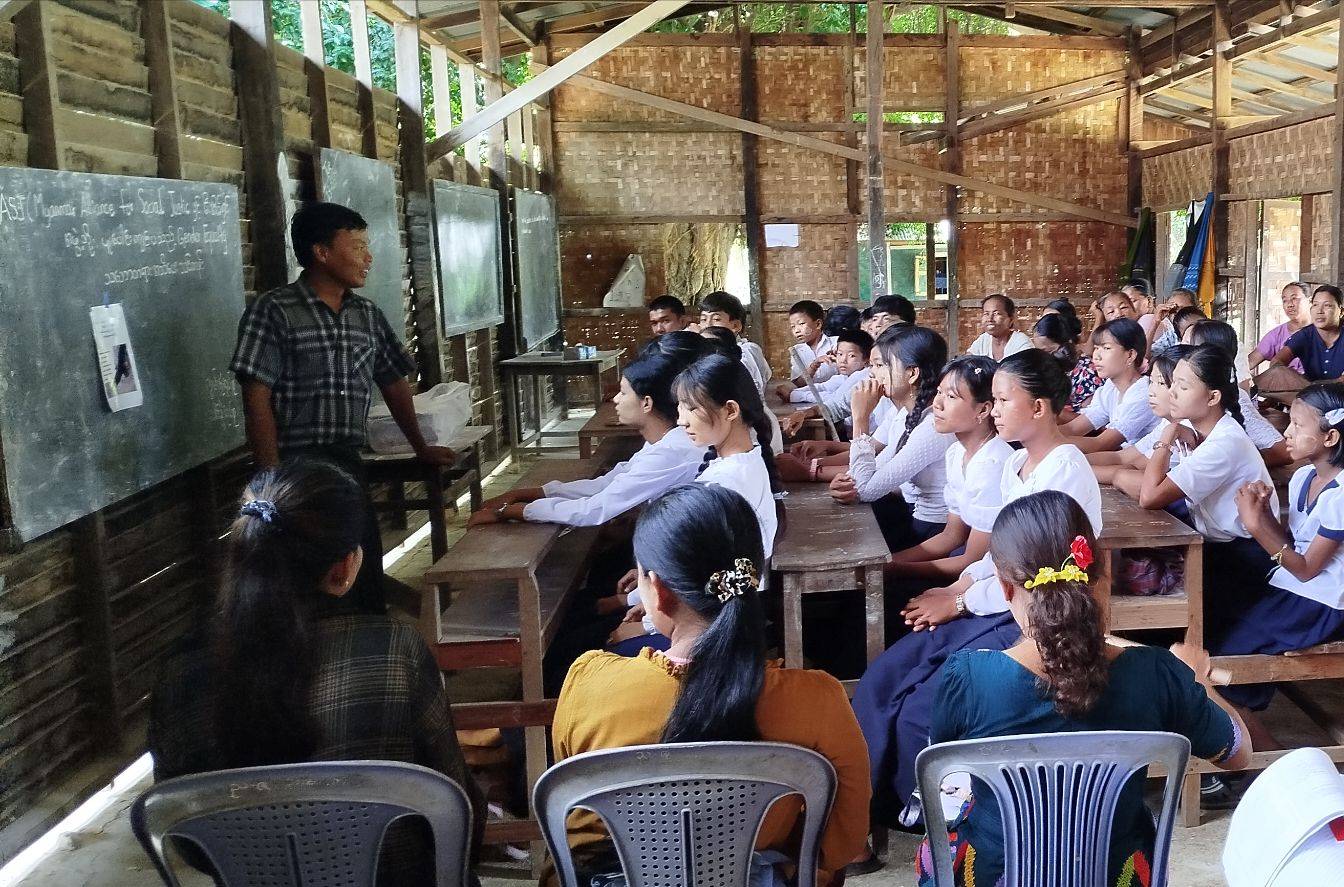
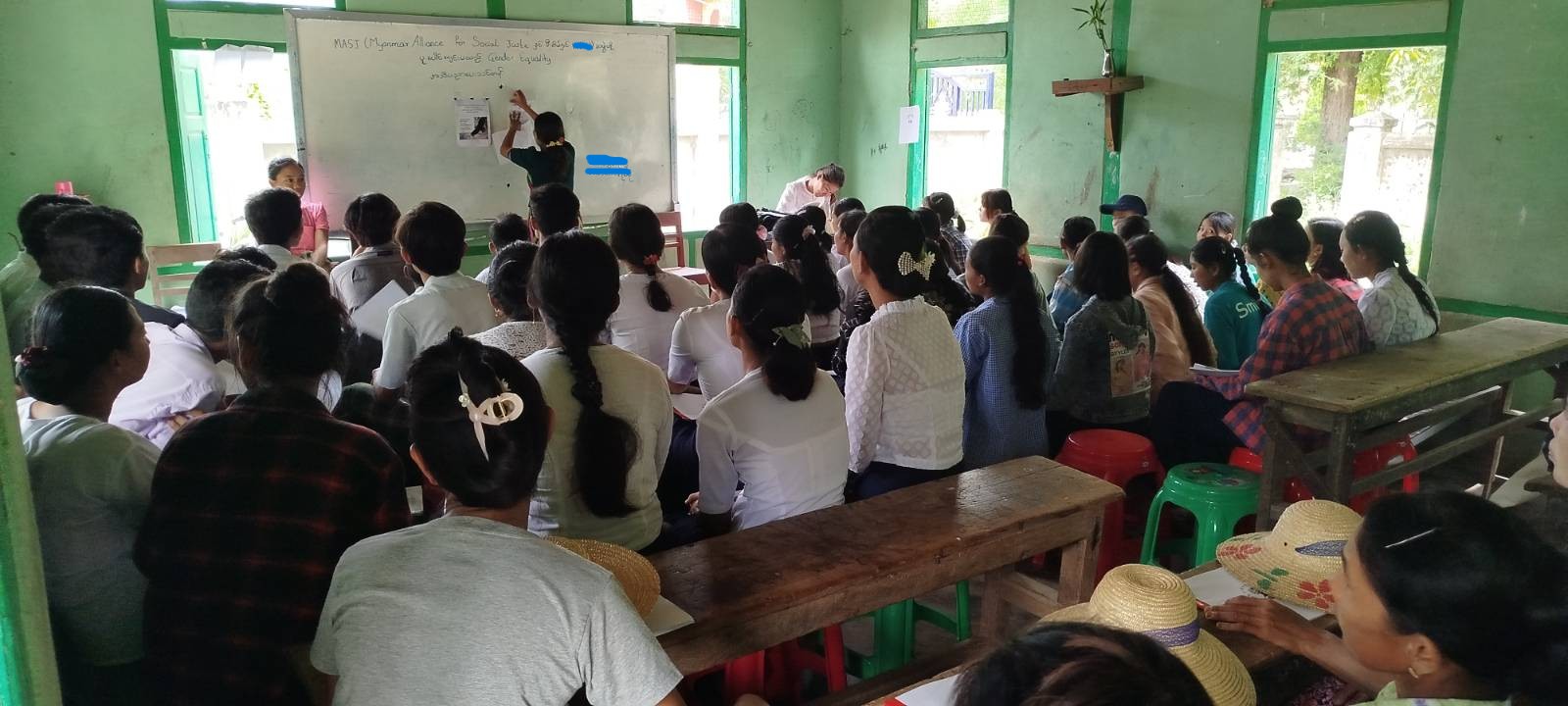
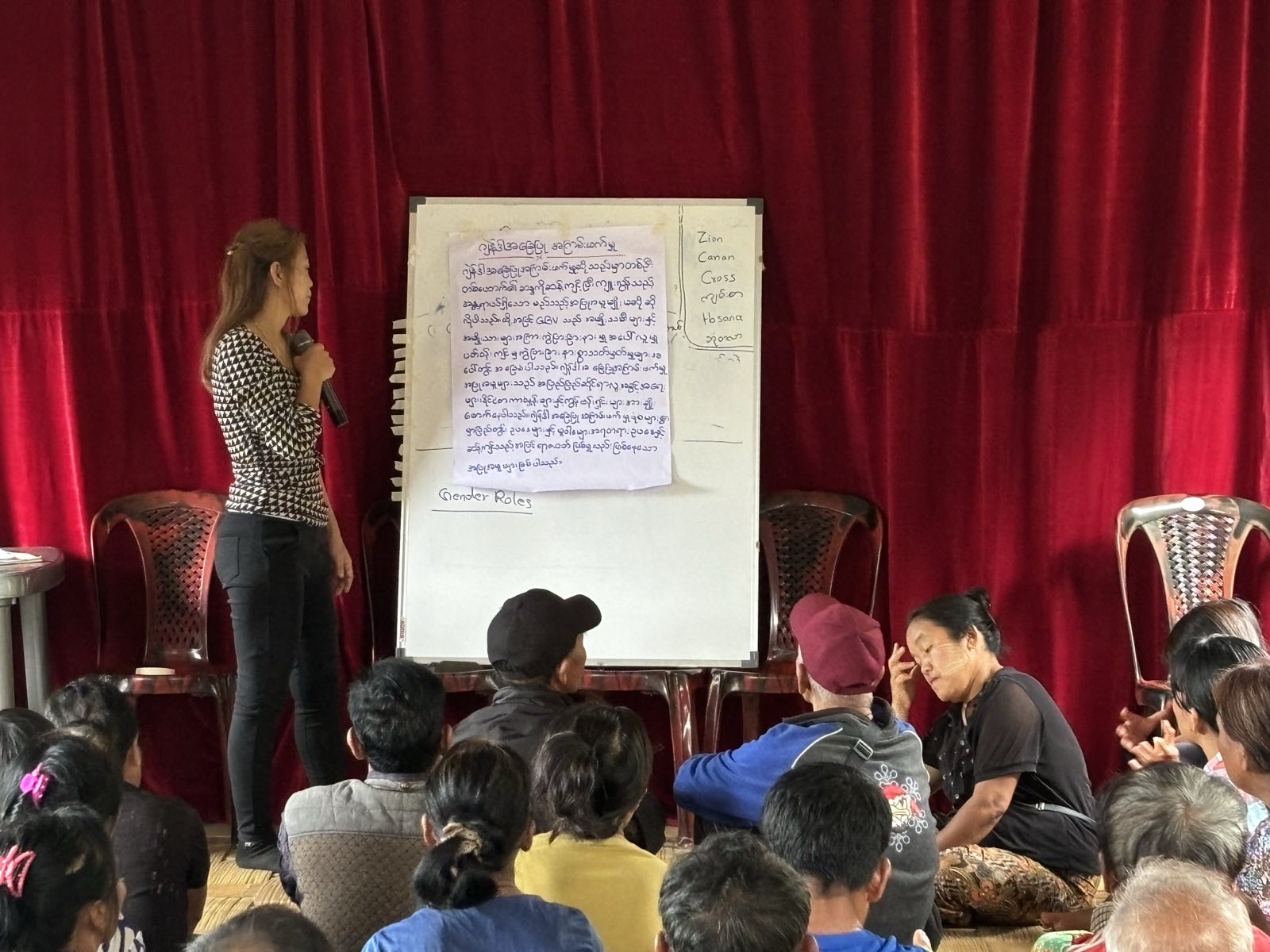
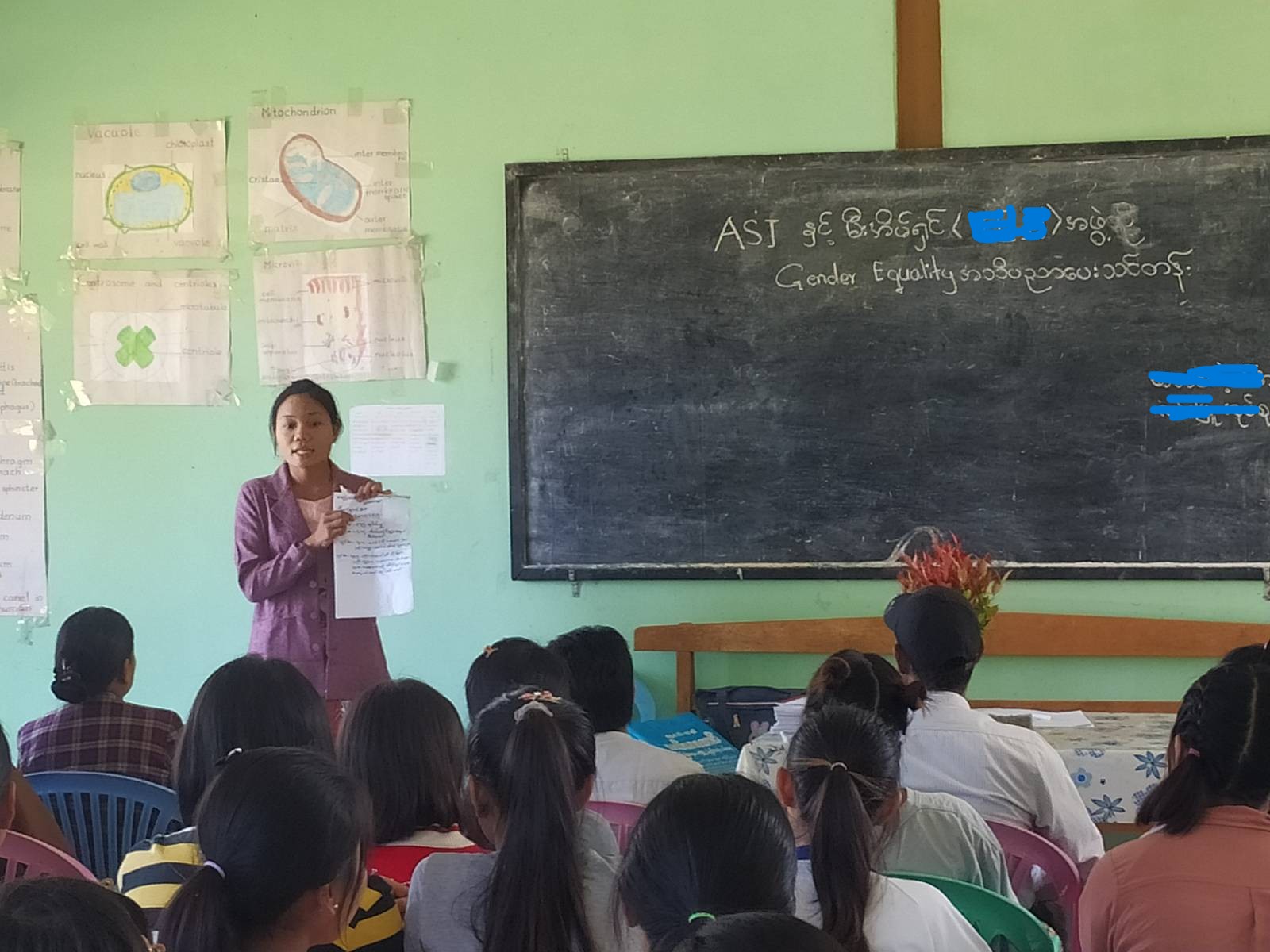
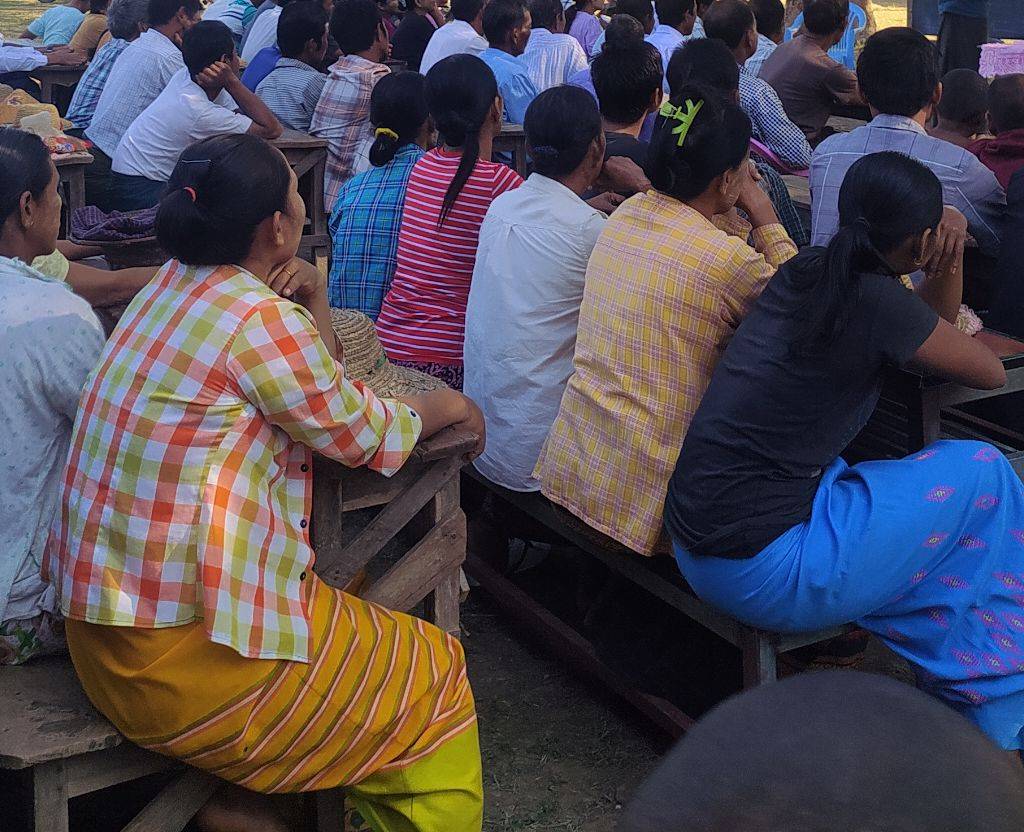
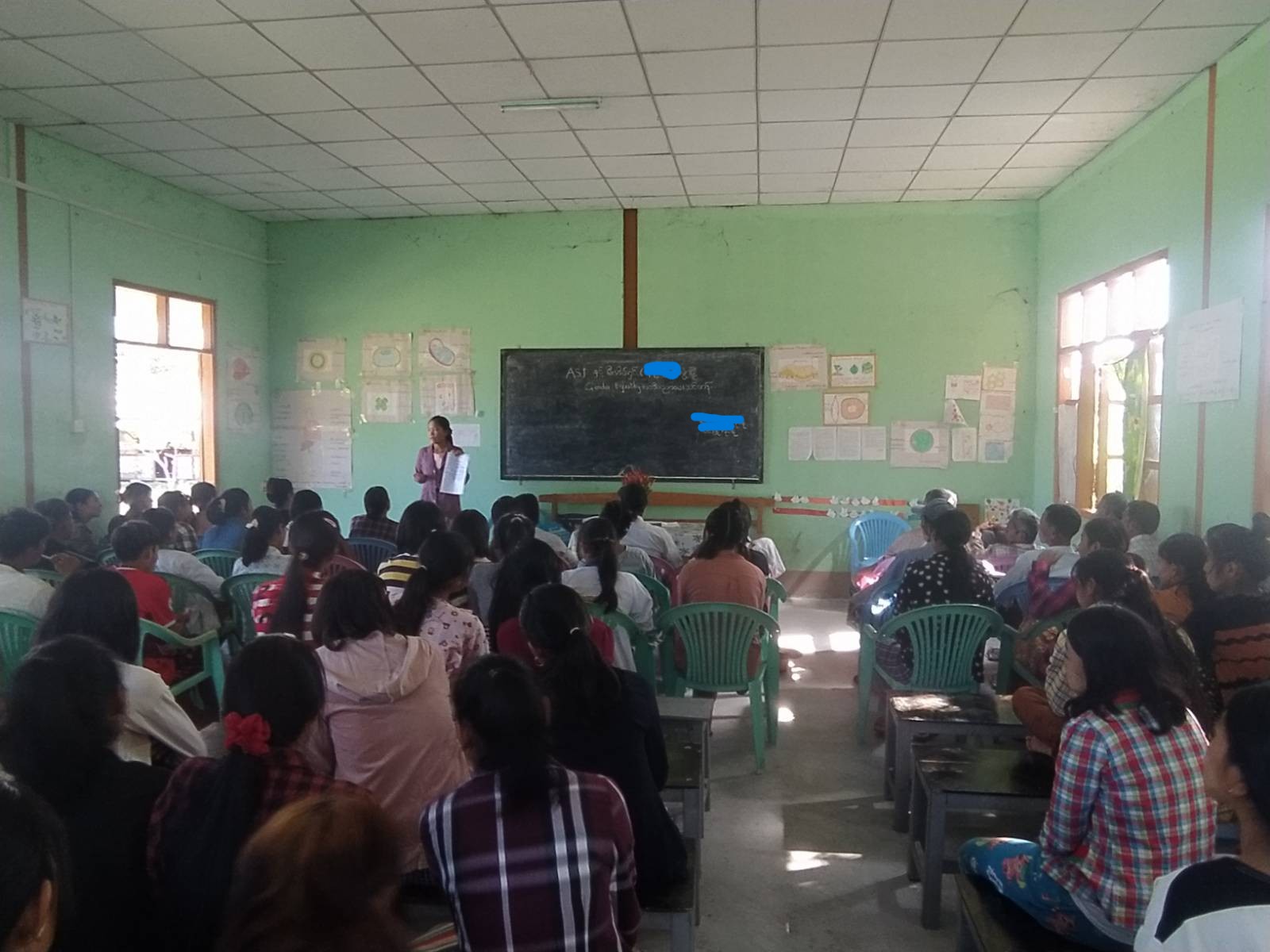
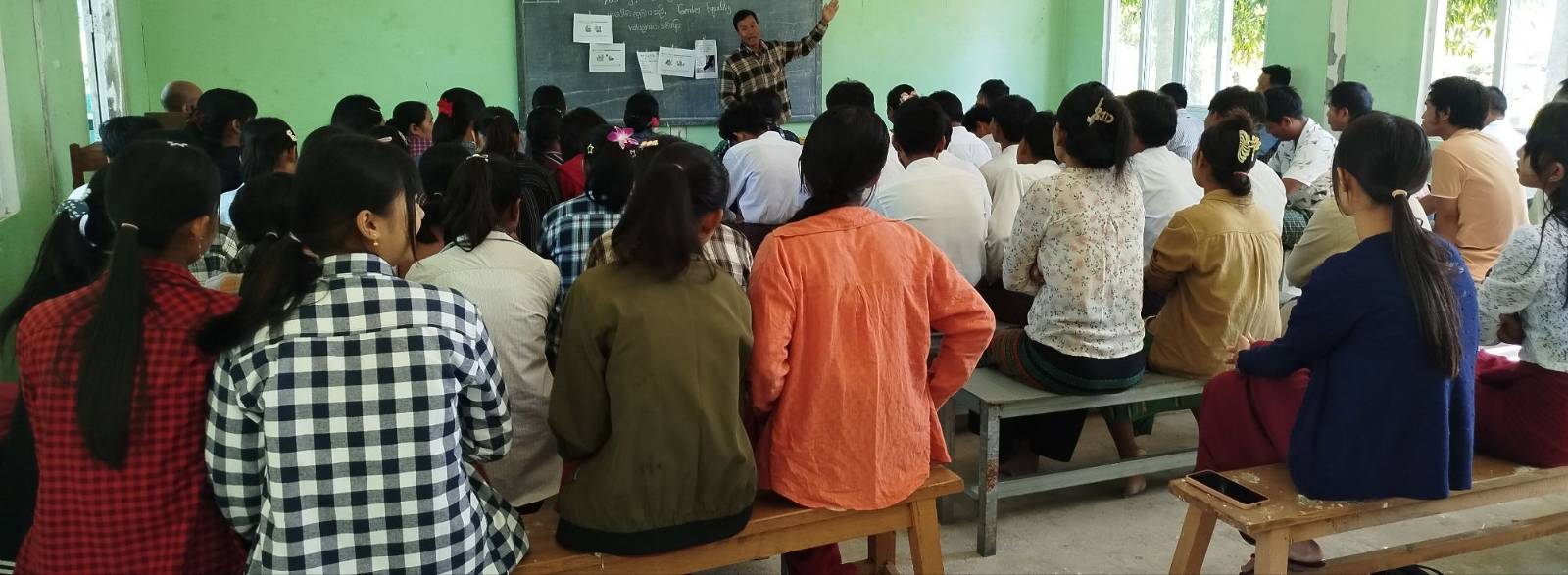
Our work supports ongoing community efforts to address gender inequality and reduce gender-based harm.
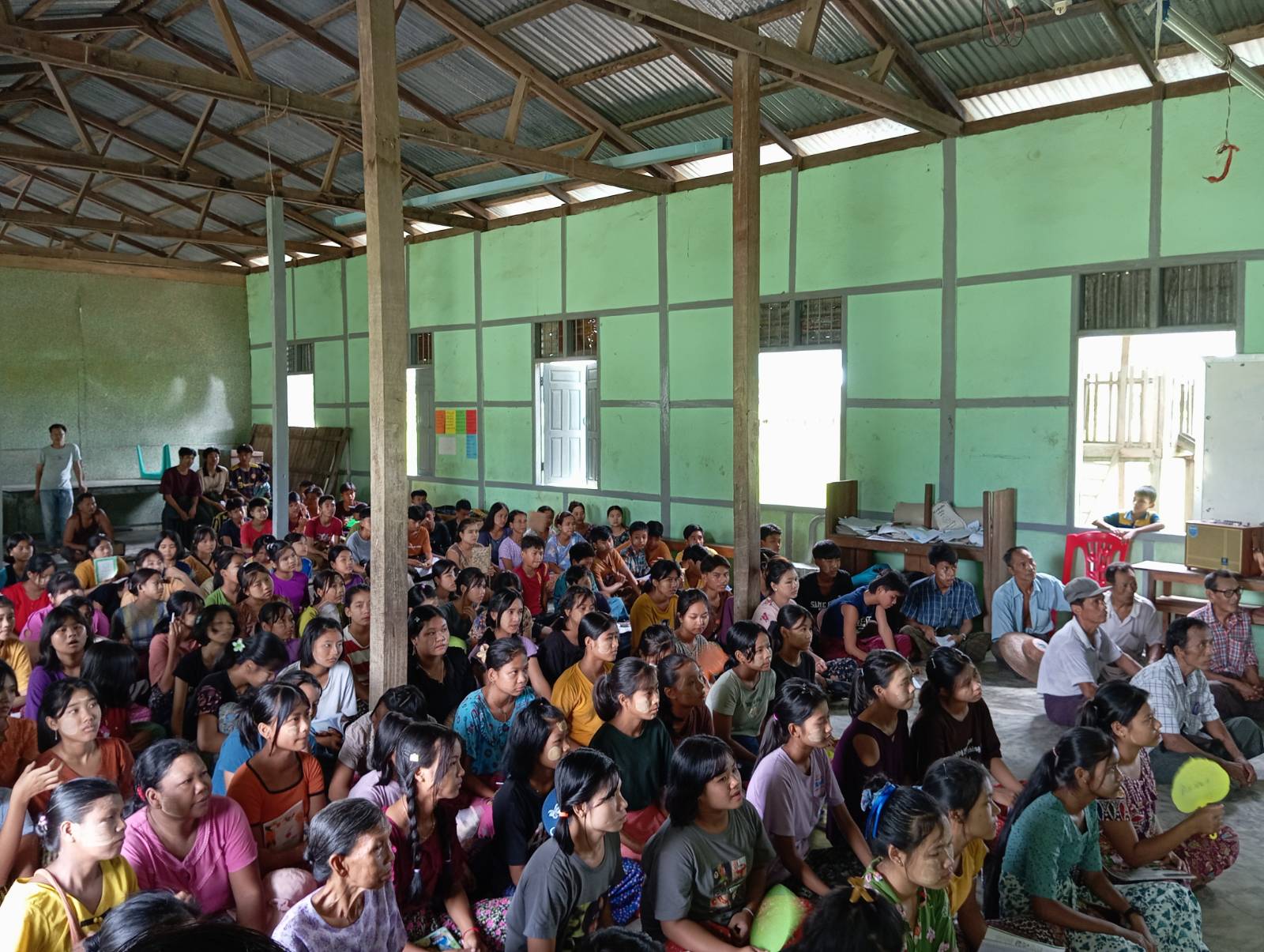
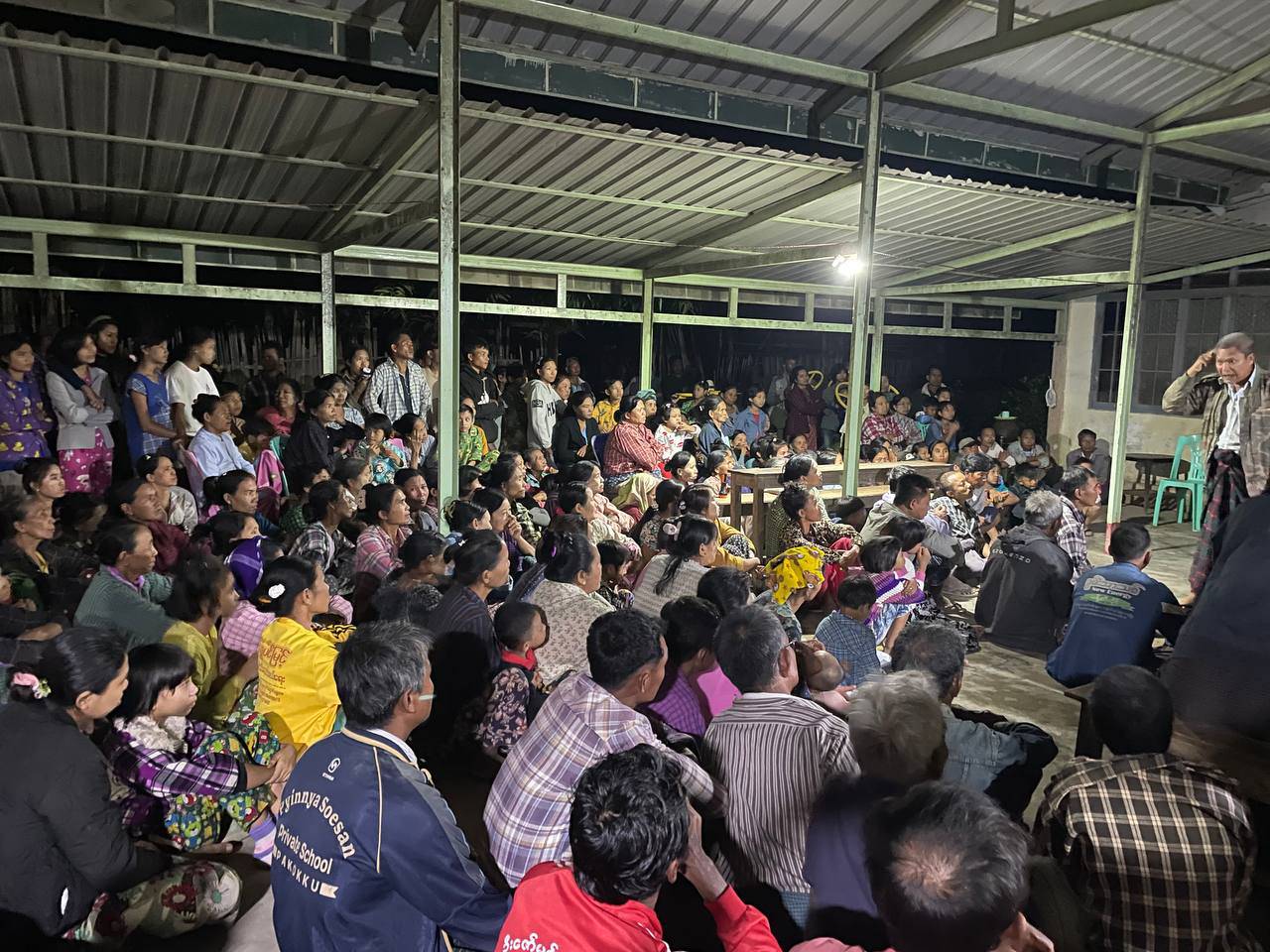
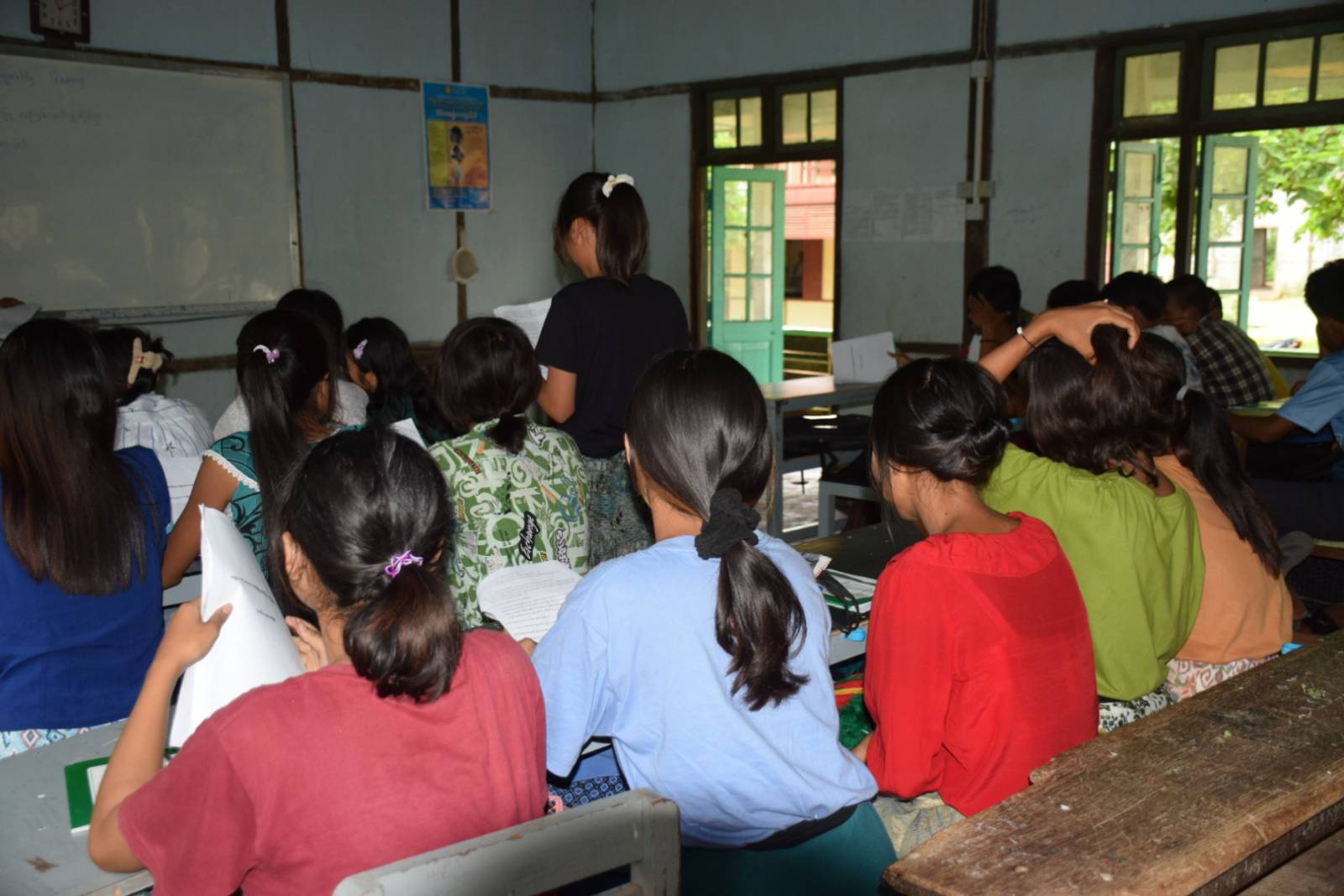
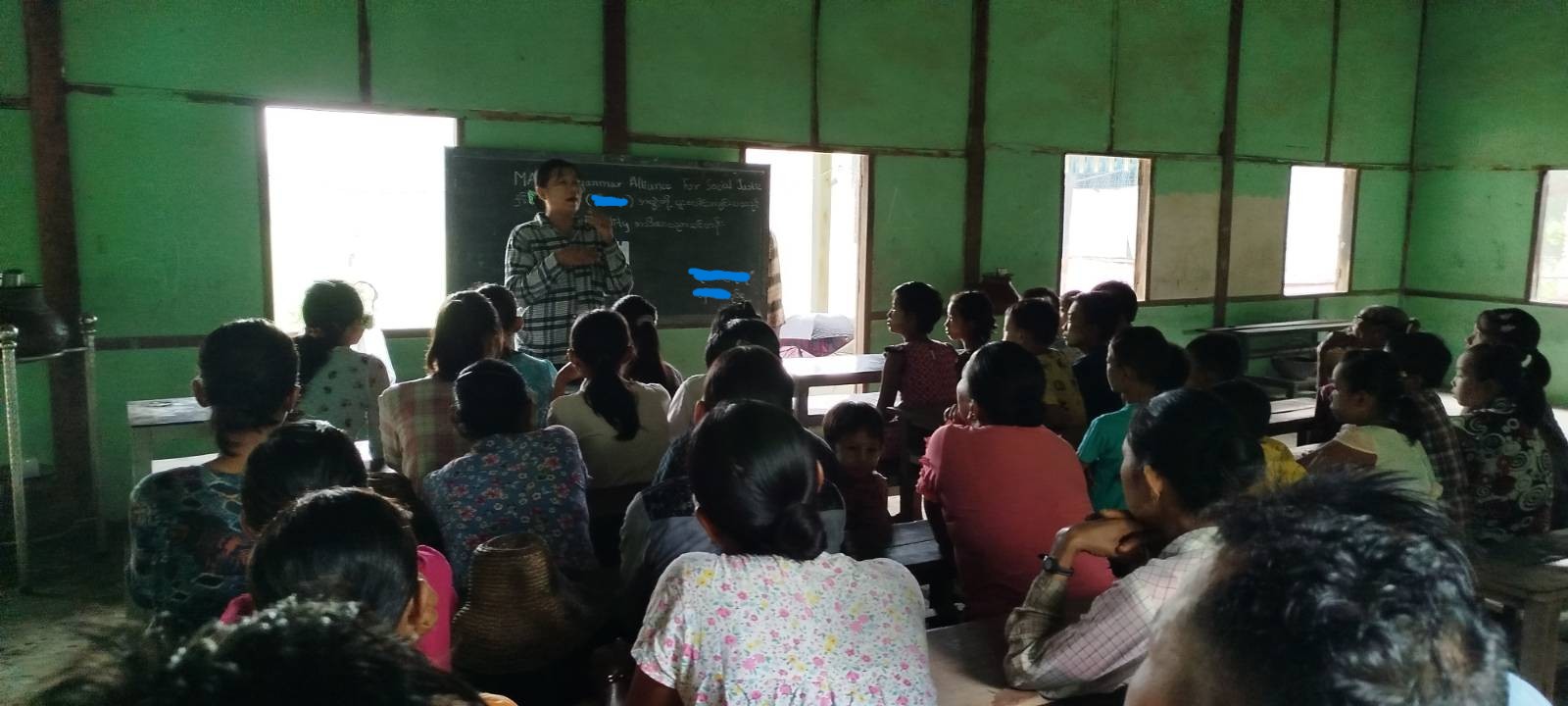
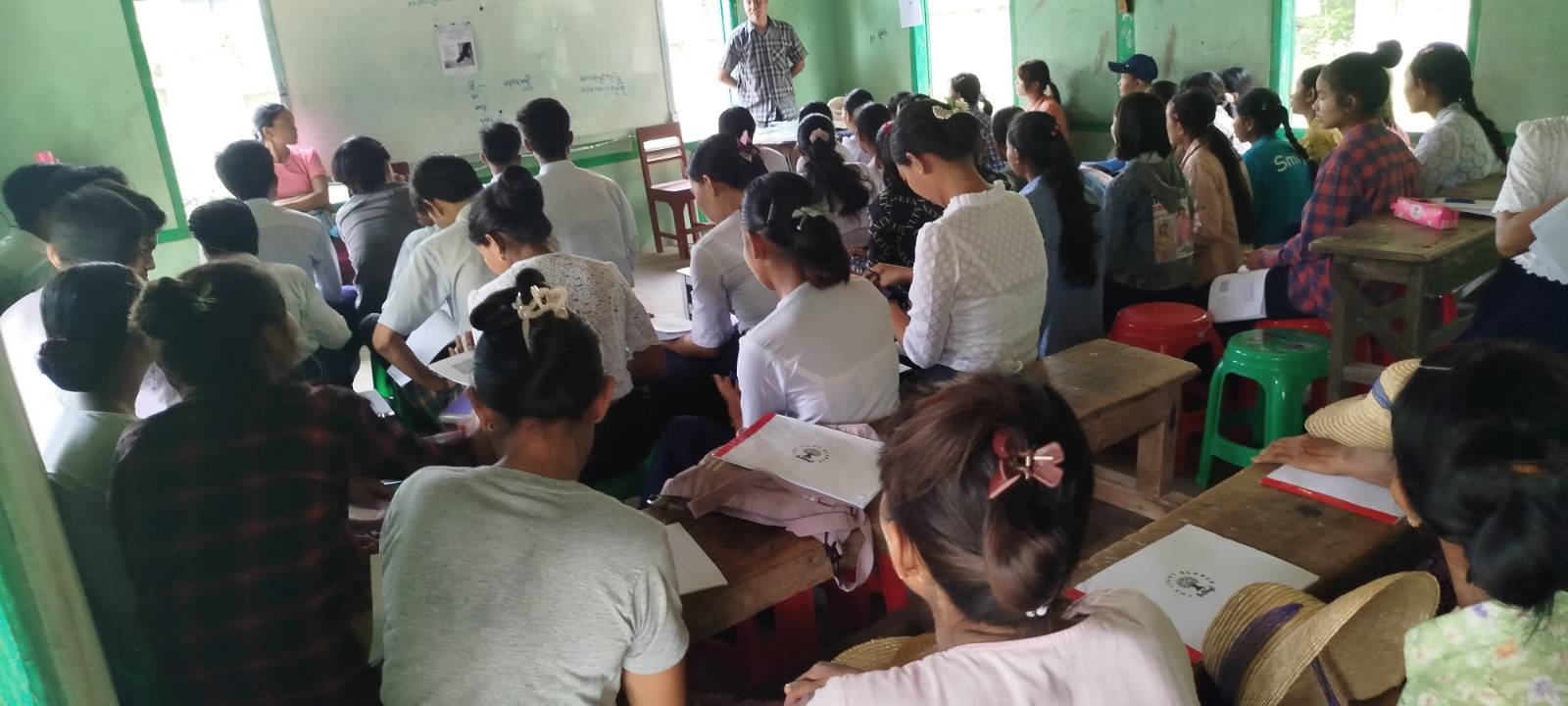
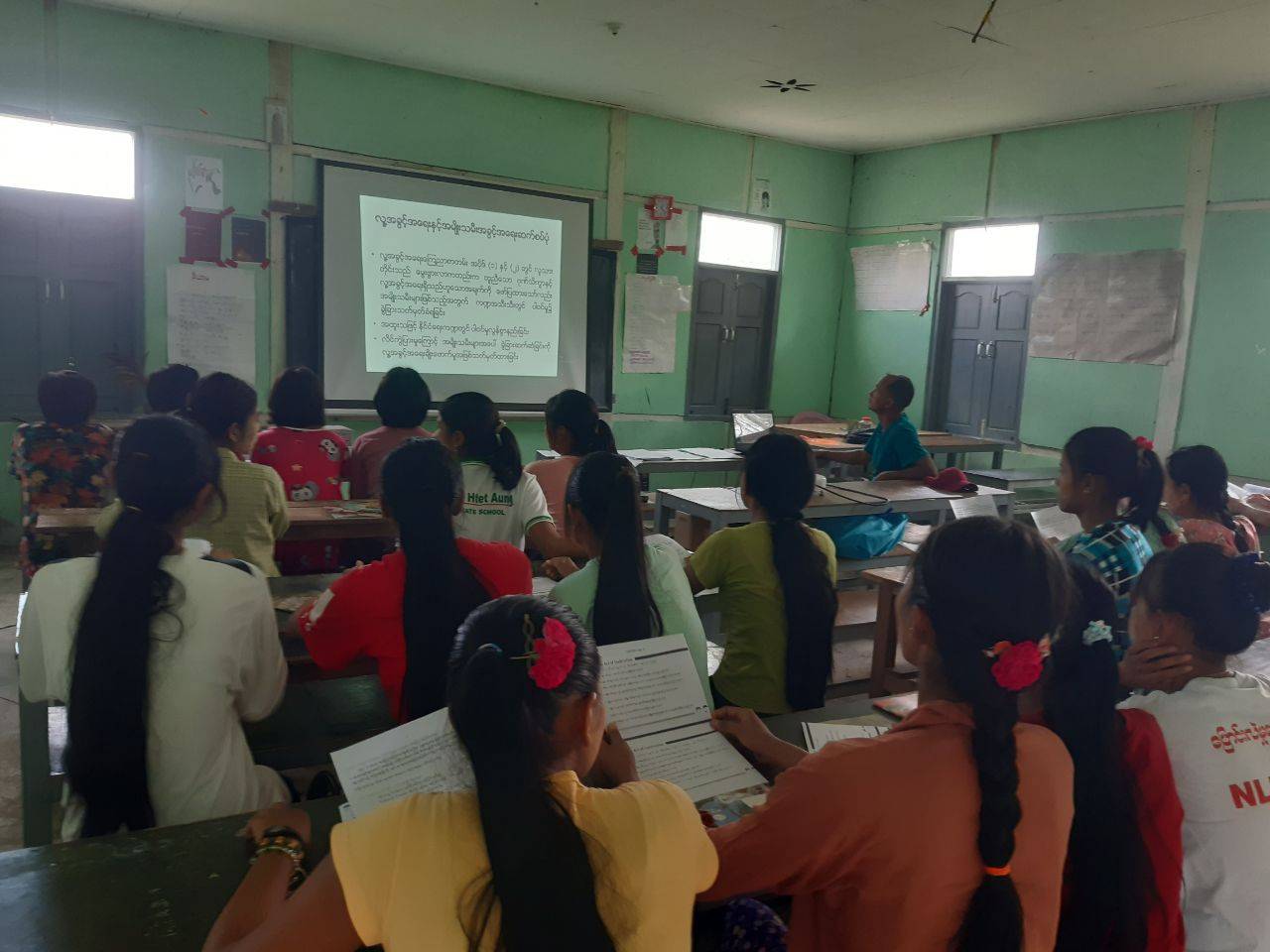
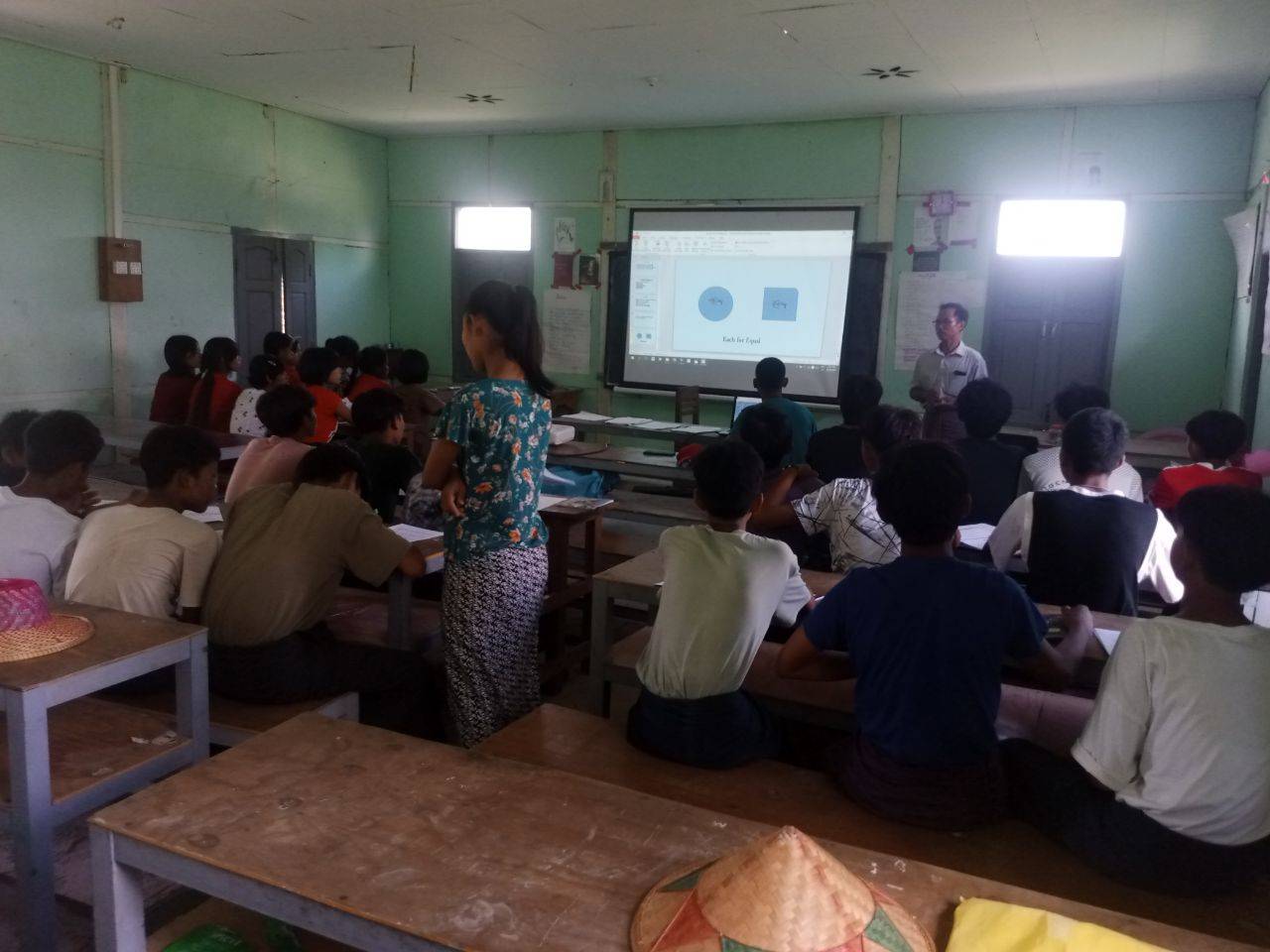
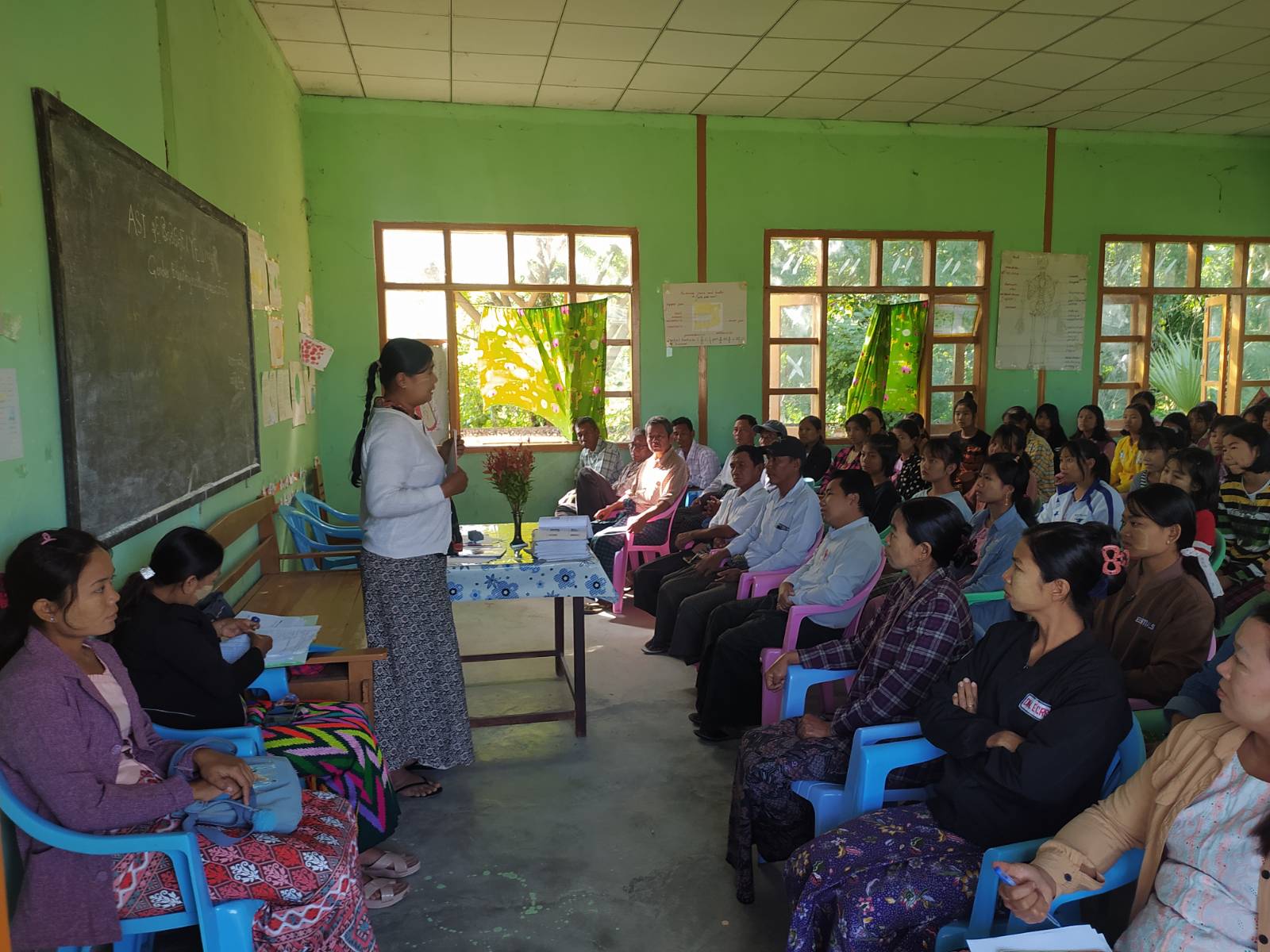
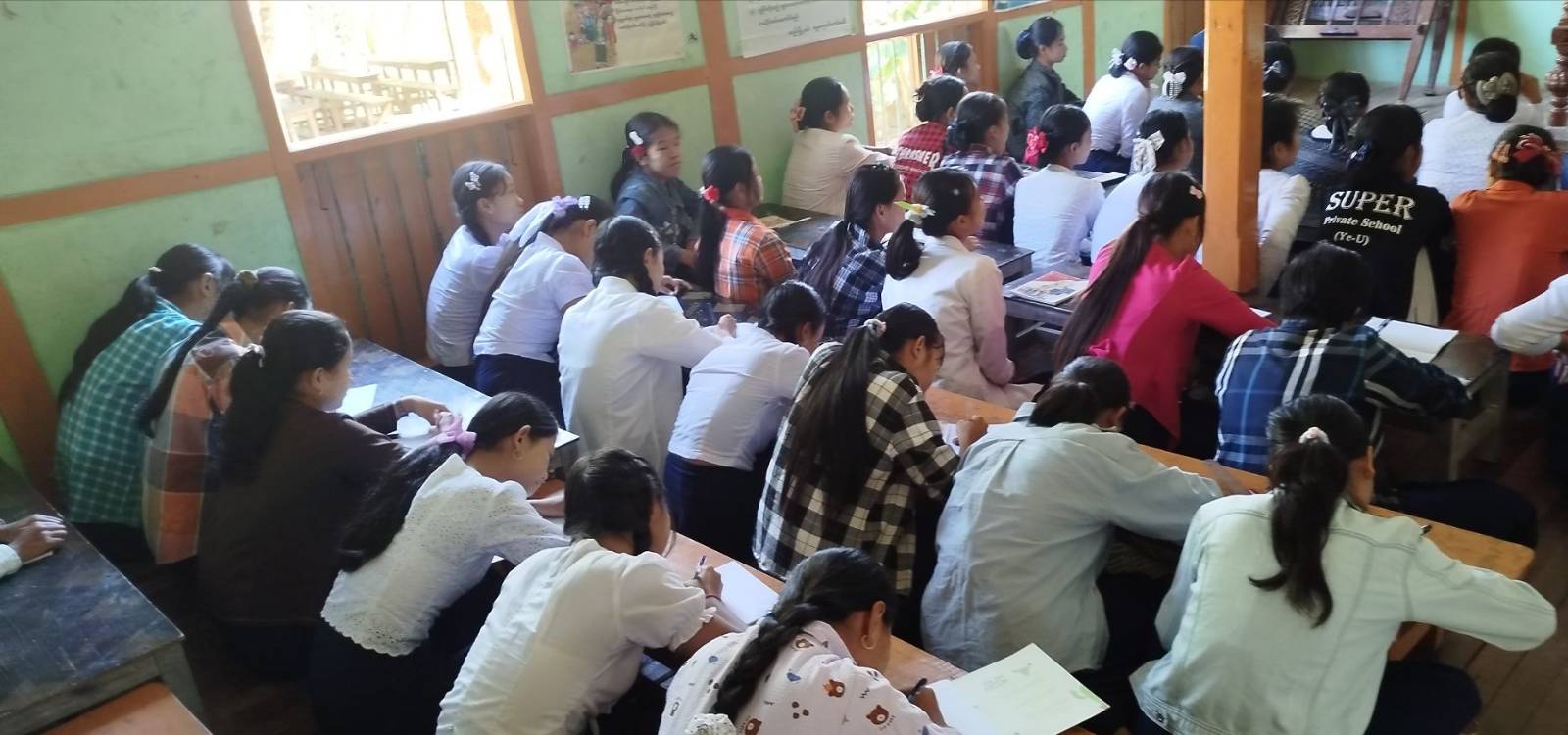
We engage with women, men, and young people to encourage open dialogue, challenge harmful norms, and promote safer, more inclusive environments. These conversations often lead to meaningful shifts in attitudes and relationships within communities.

Civic Awareness and Participation
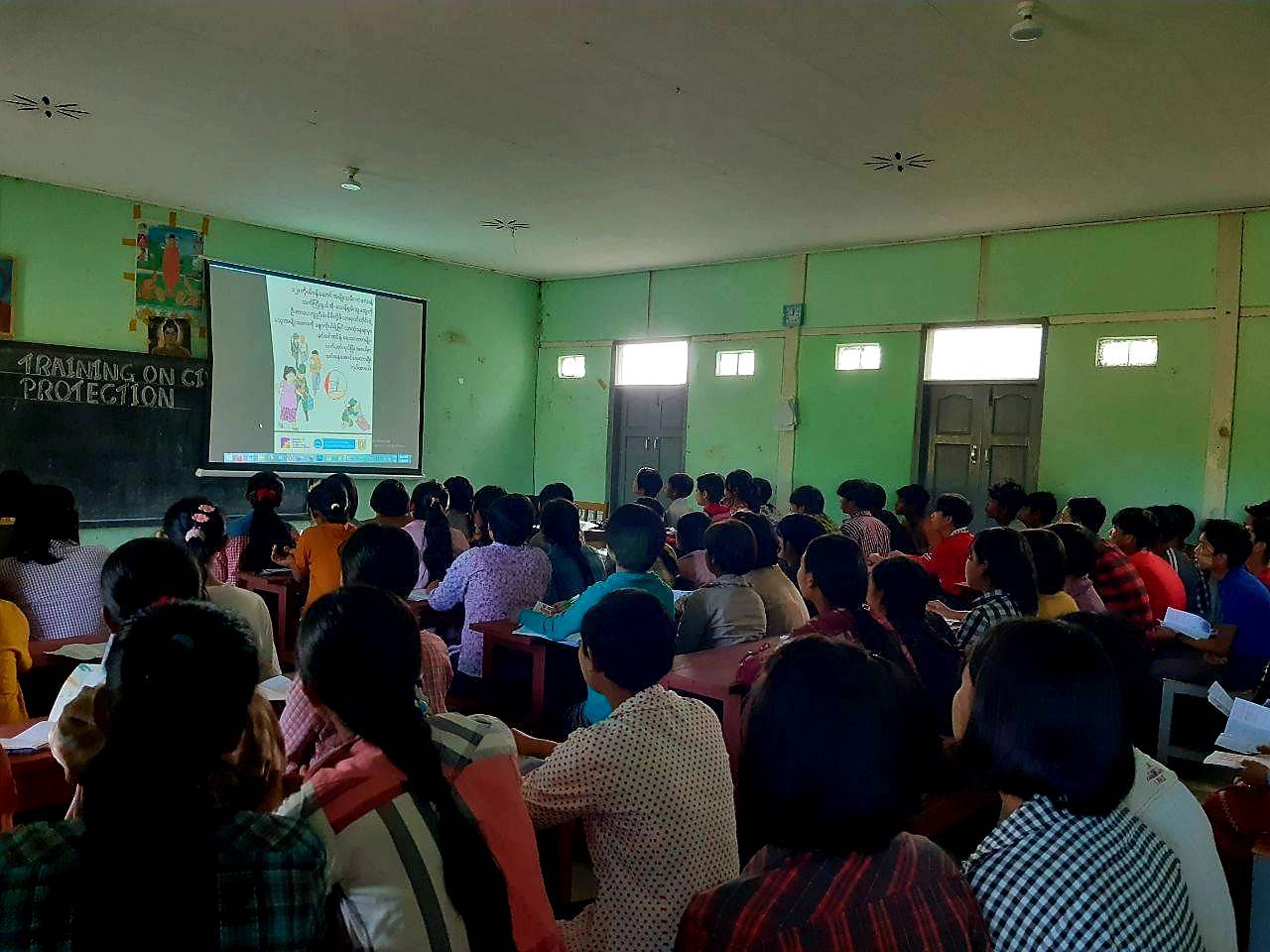
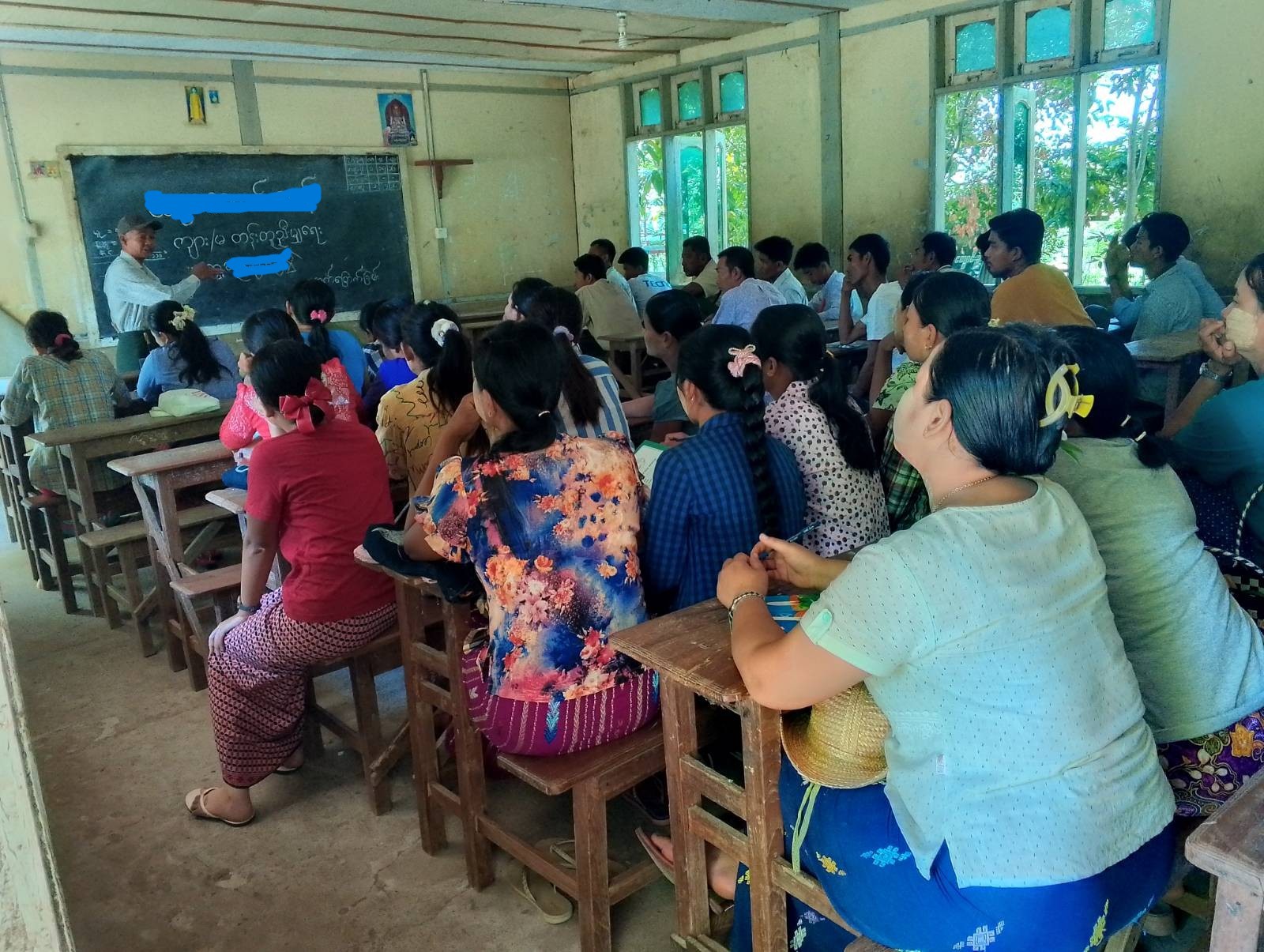
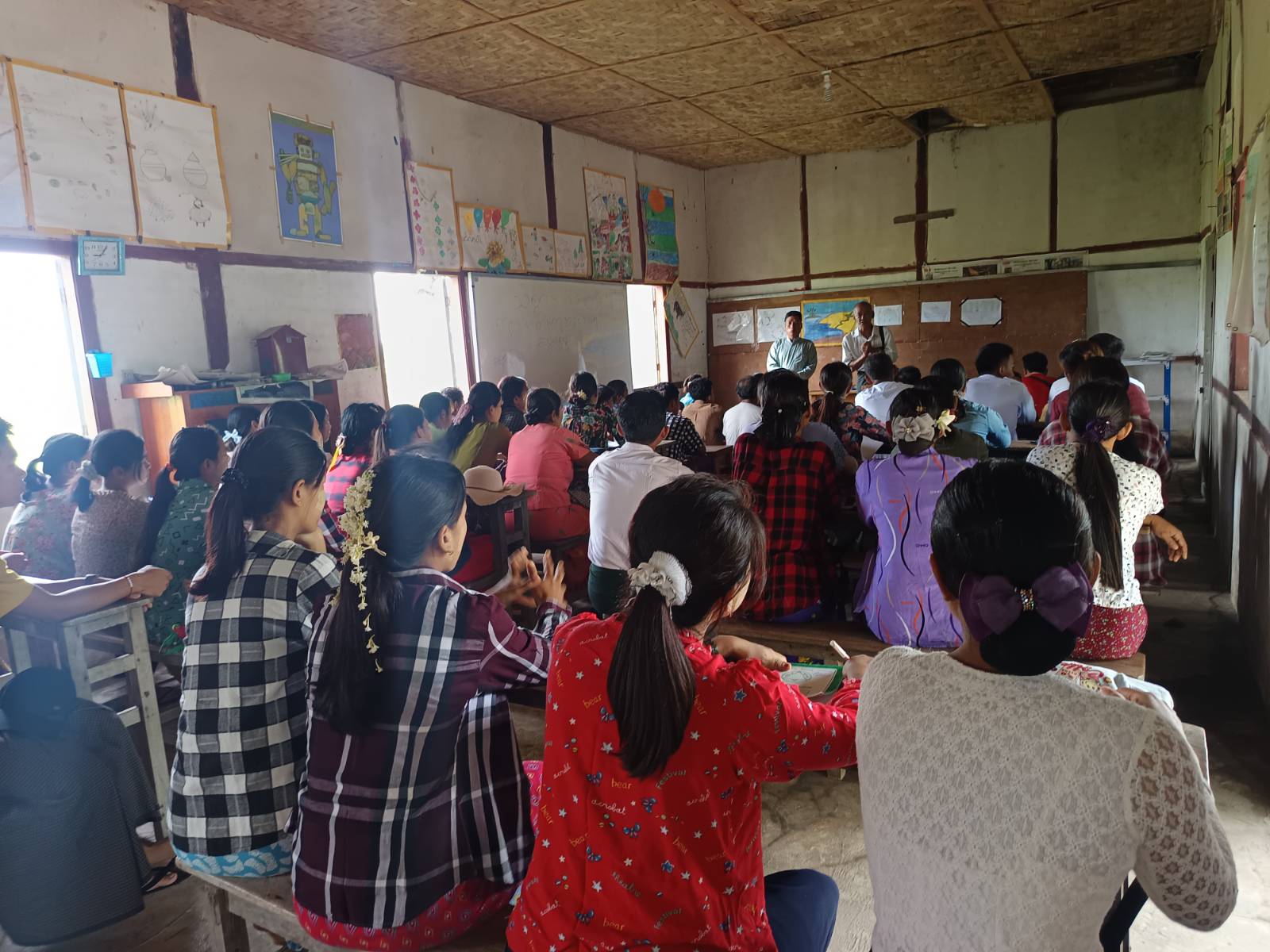
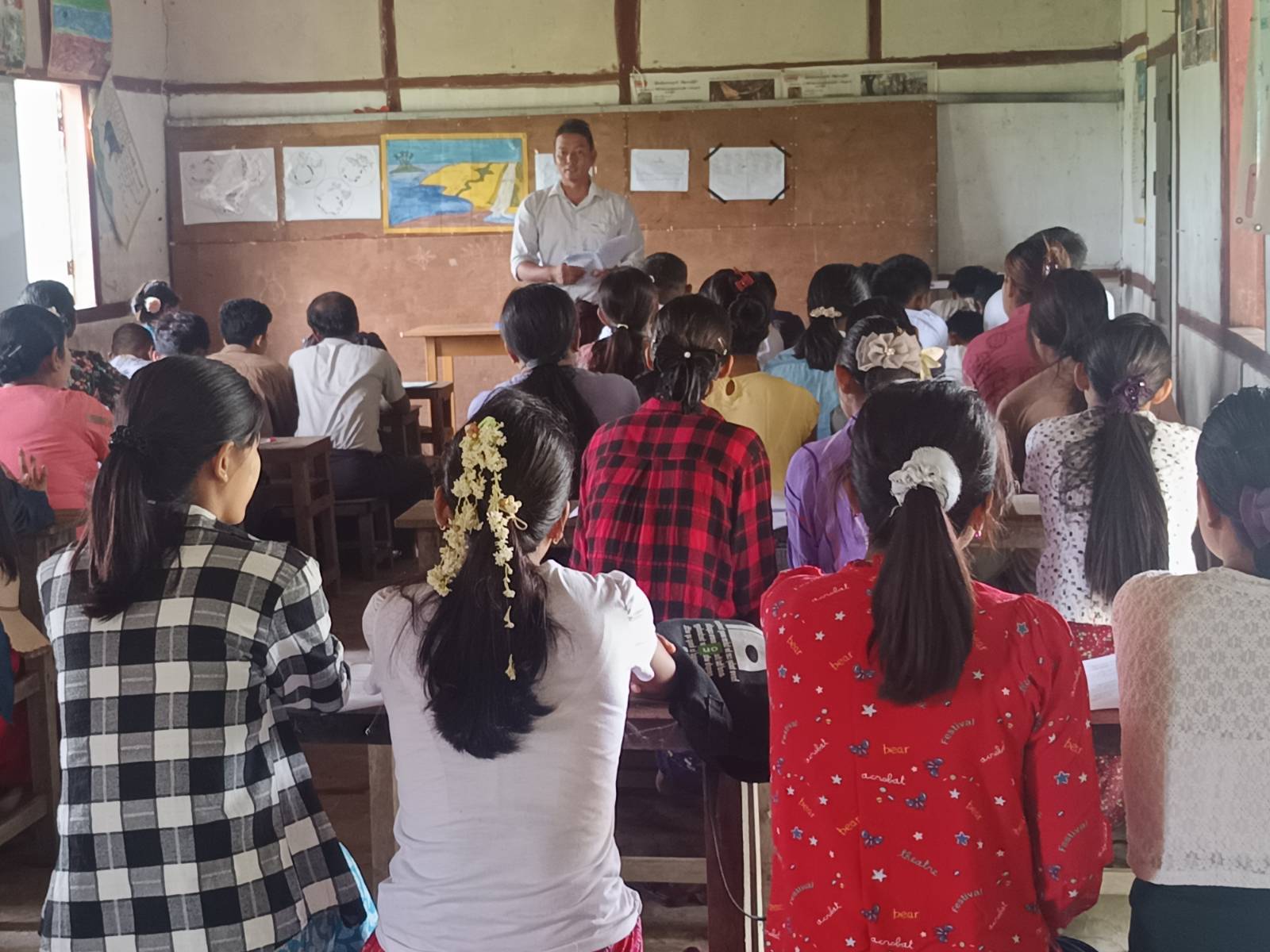
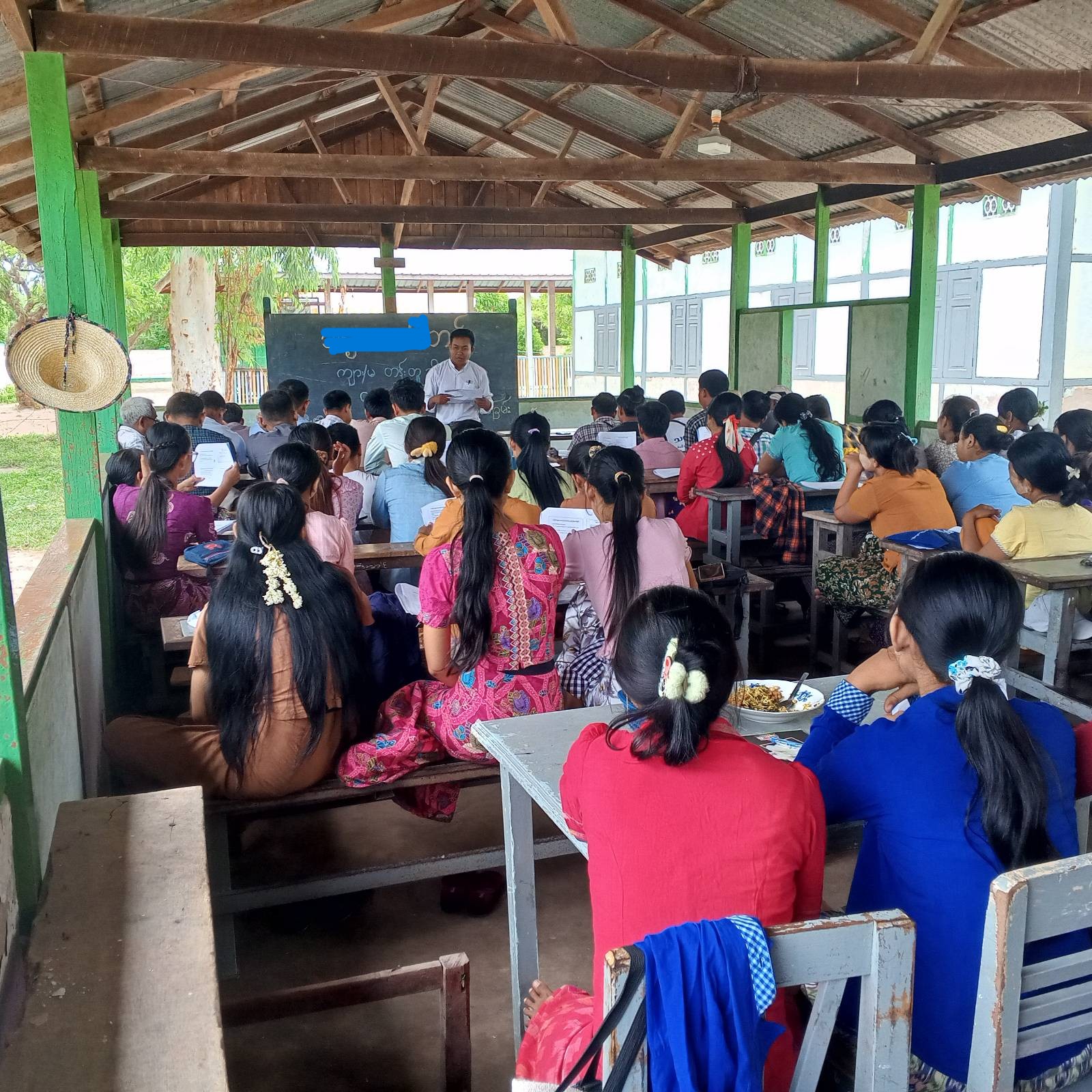
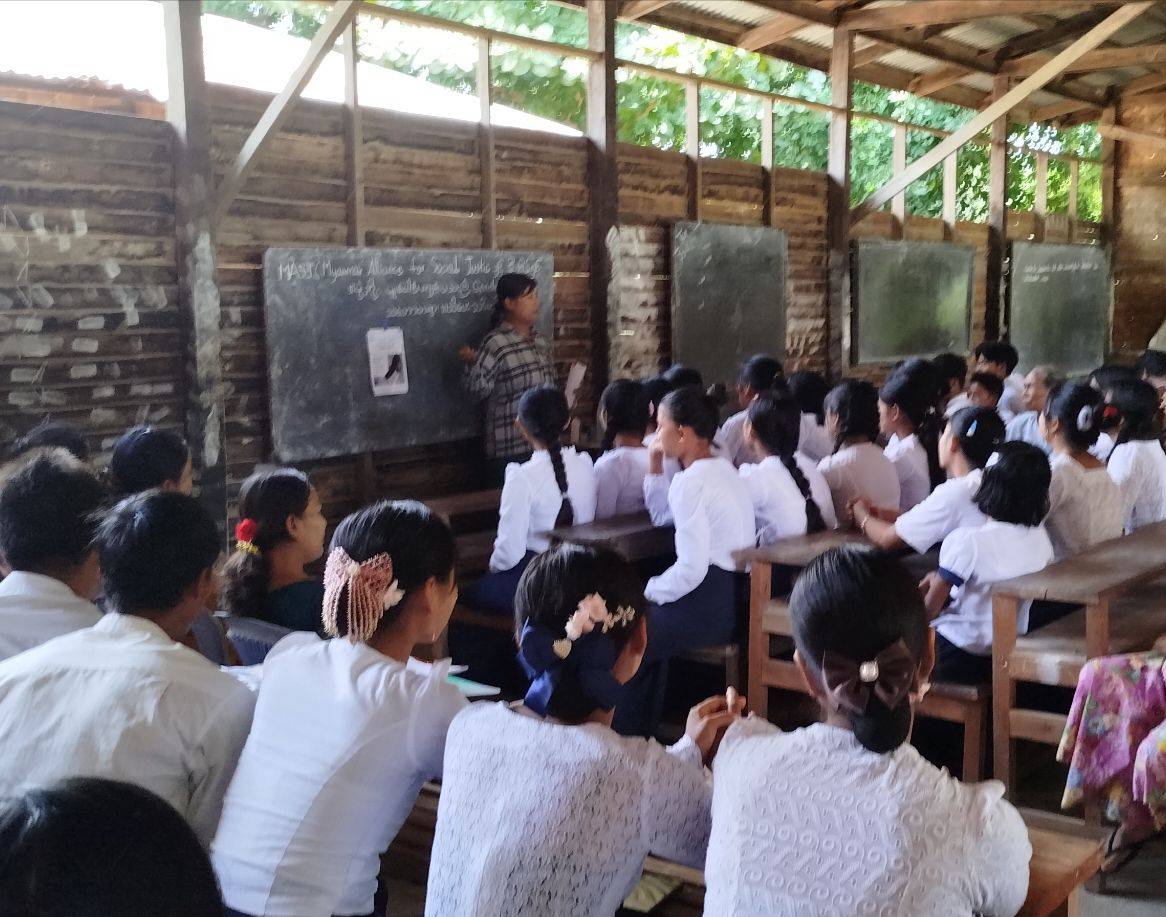
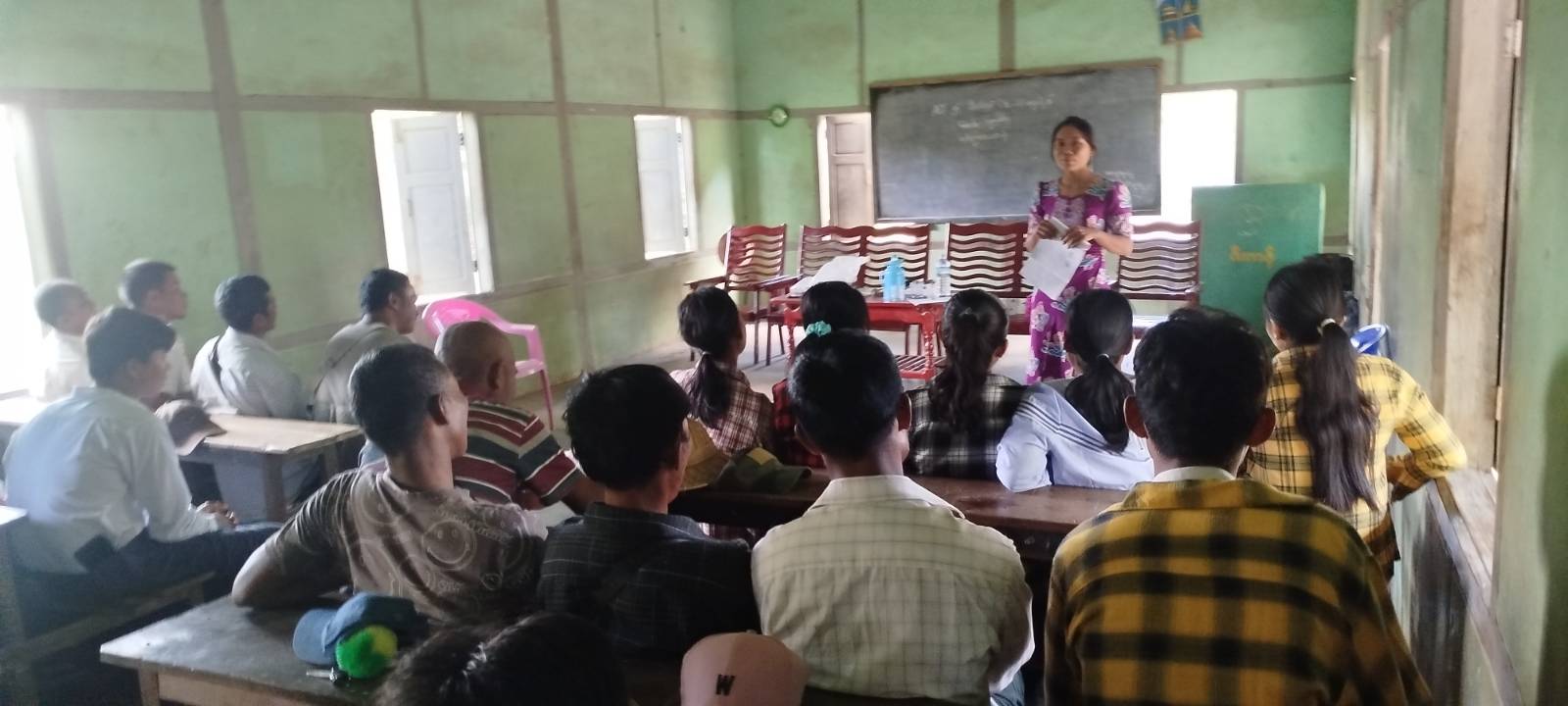
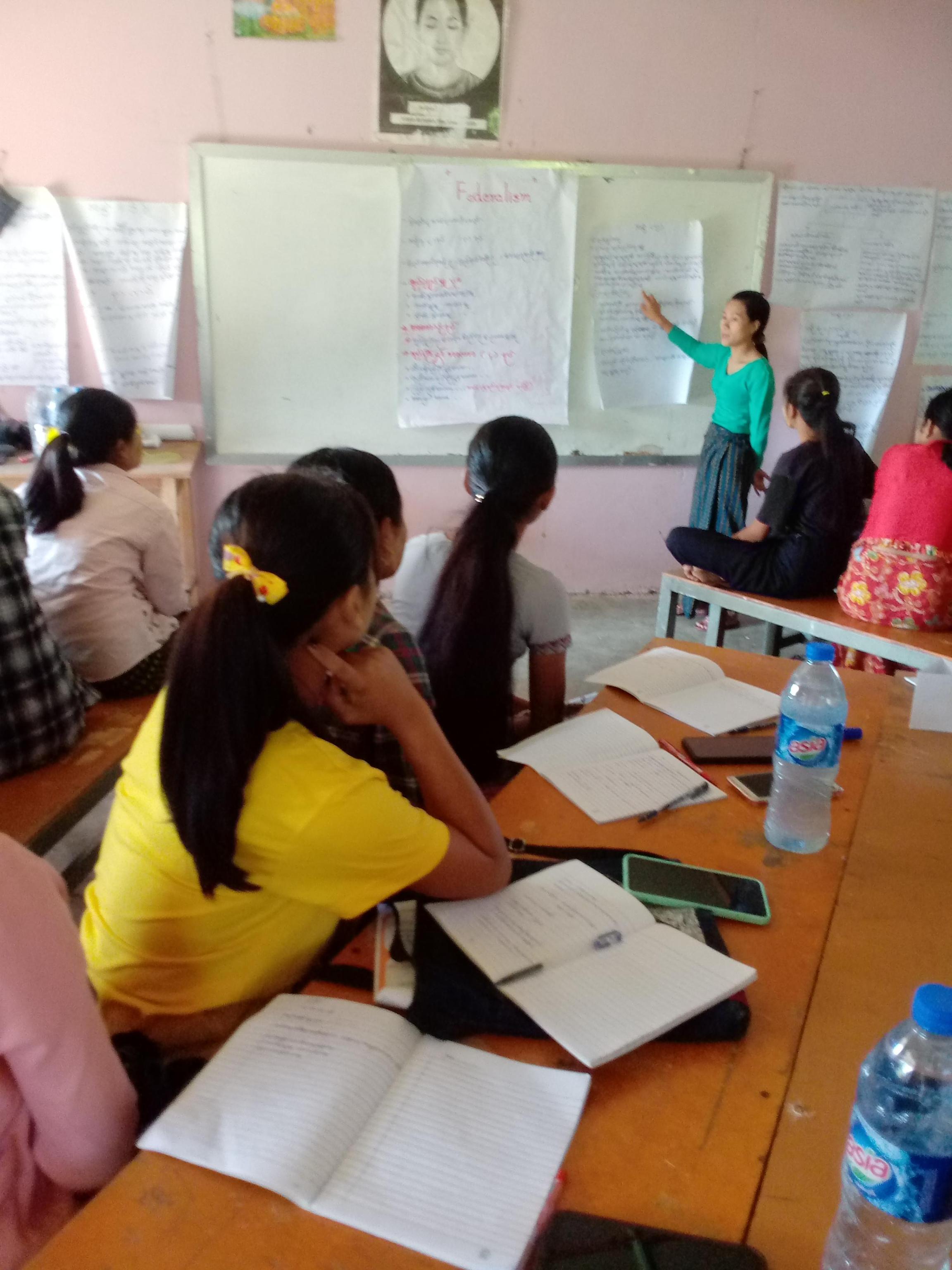
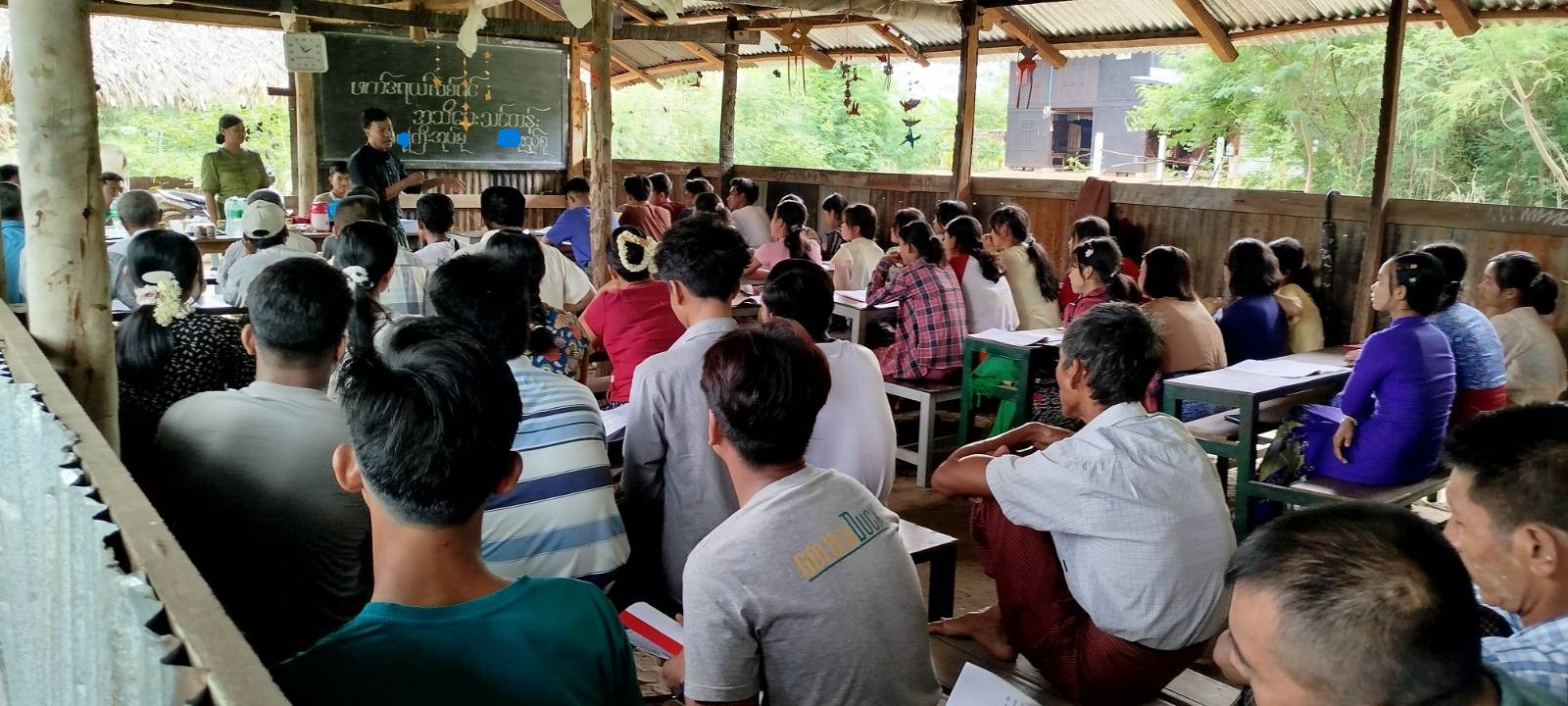
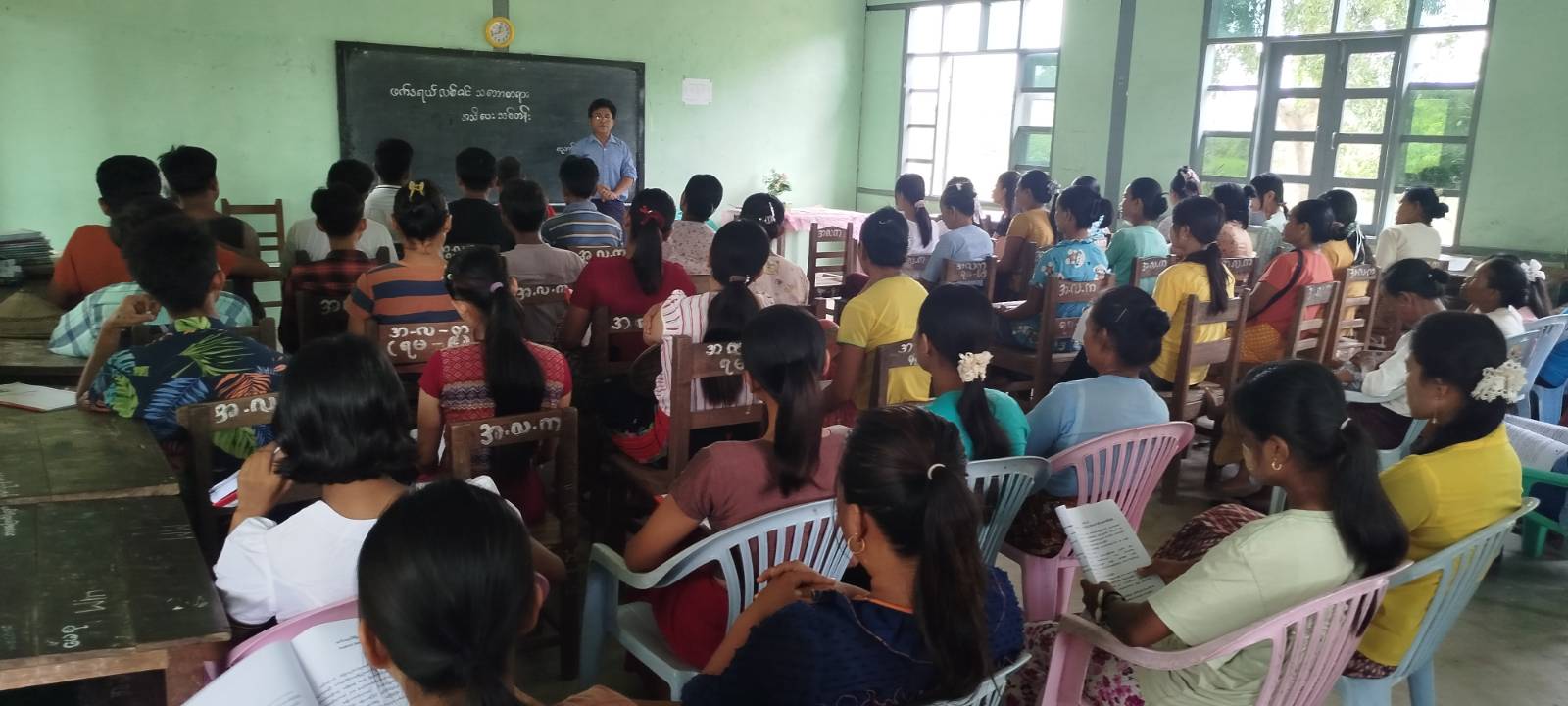
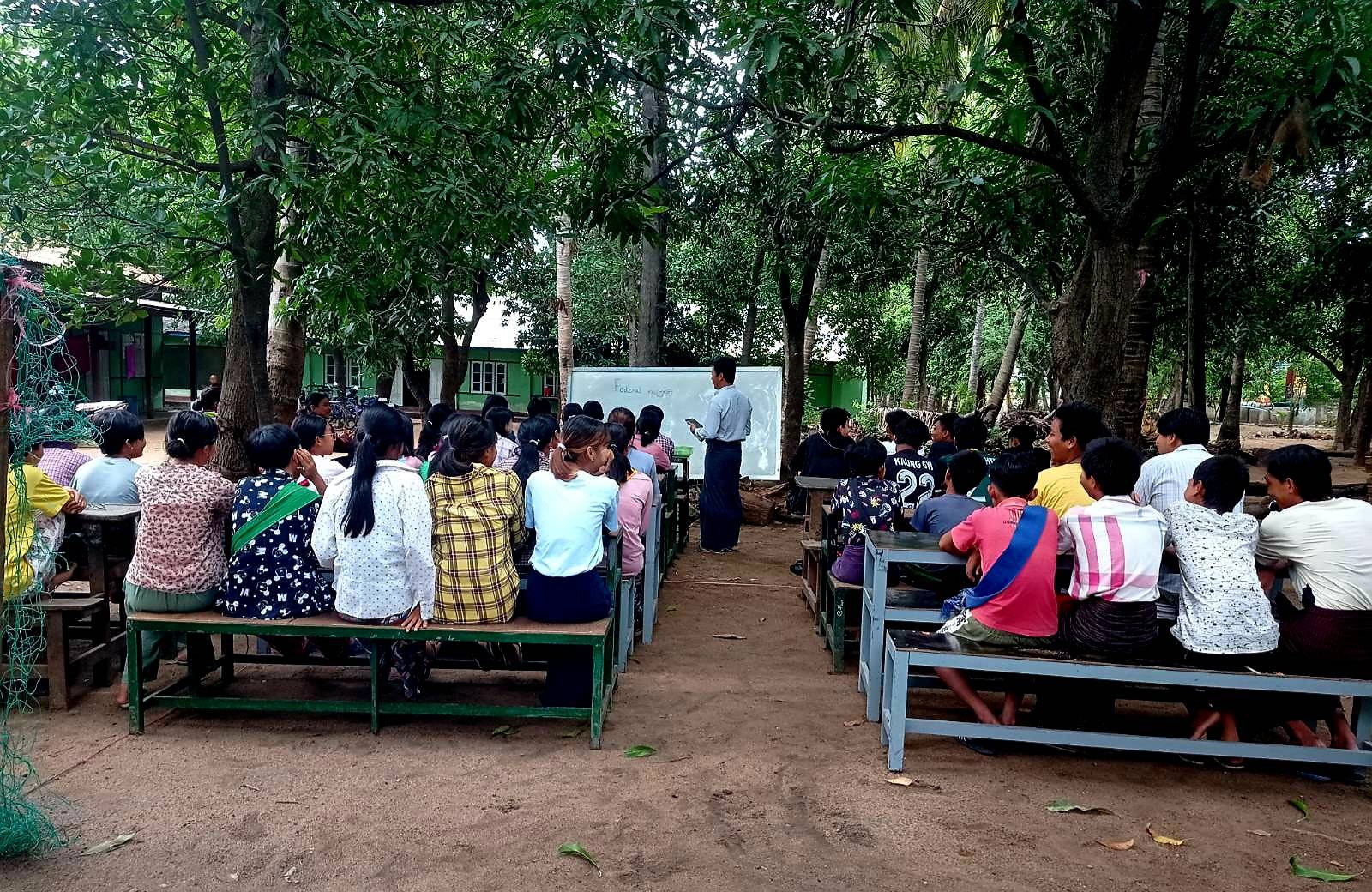
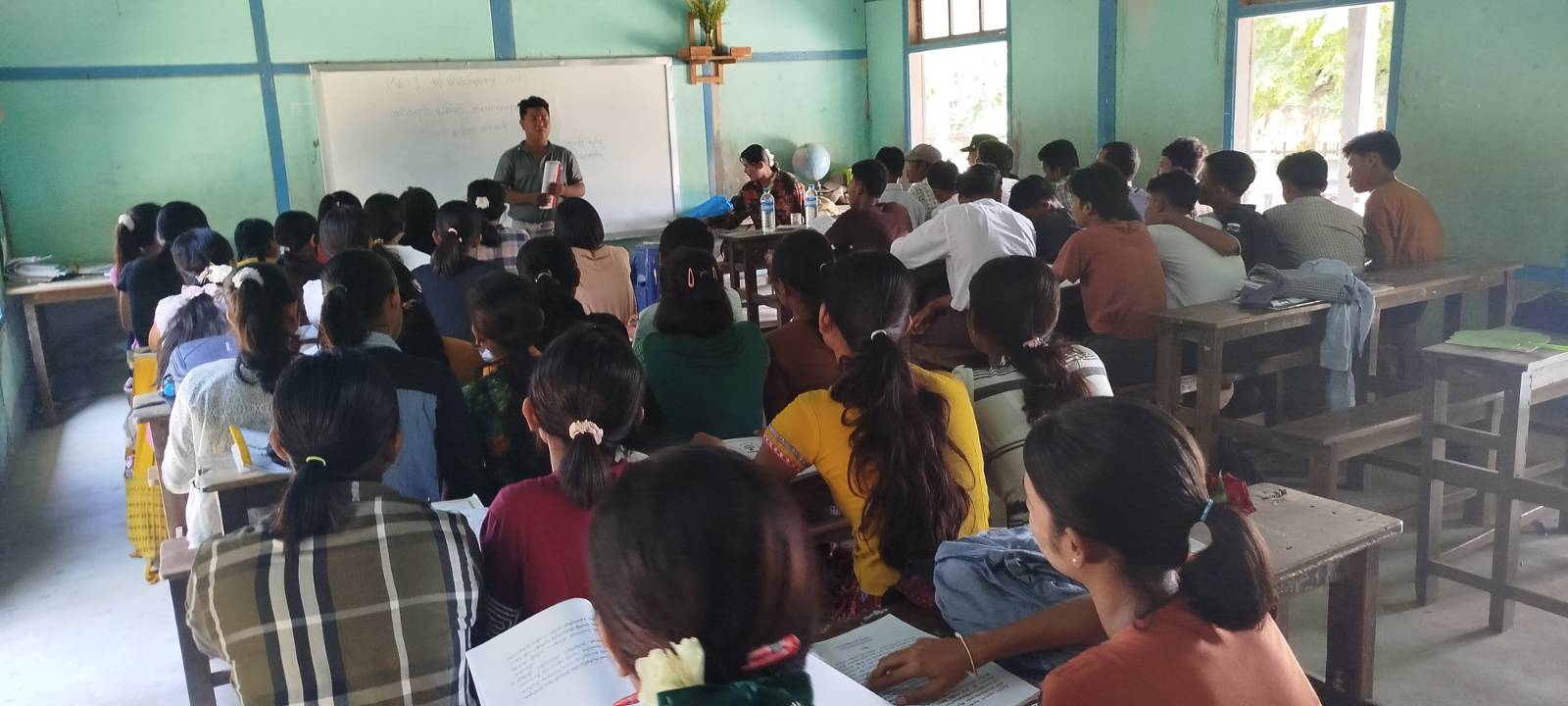
We create spaces where communities can explore ideas related to democracy, human rights, and federalism in ways that connect to their everyday lives.
Rather than focusing only on theory, these discussions encourage people to reflect on their roles, share perspectives, and engage more confidently in shaping their communities and futures.
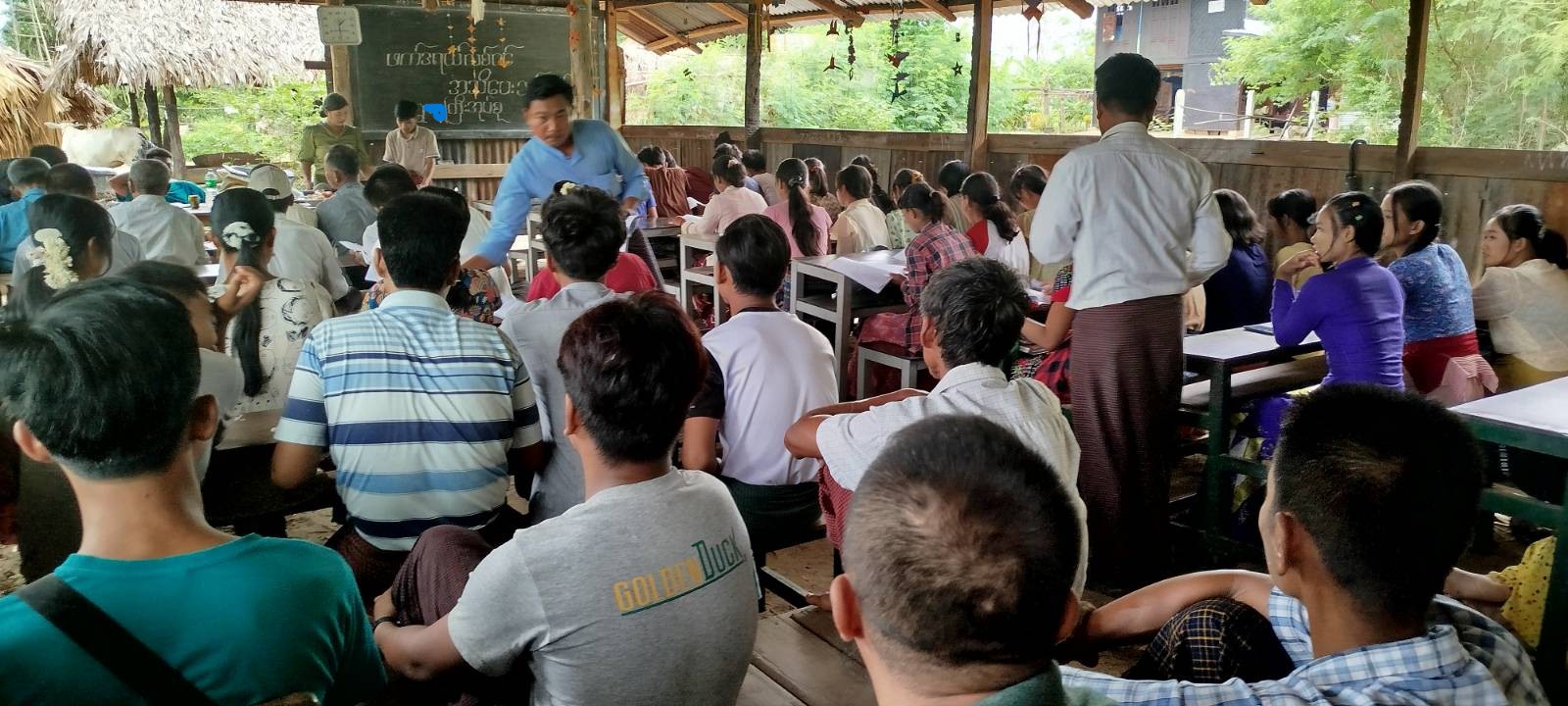
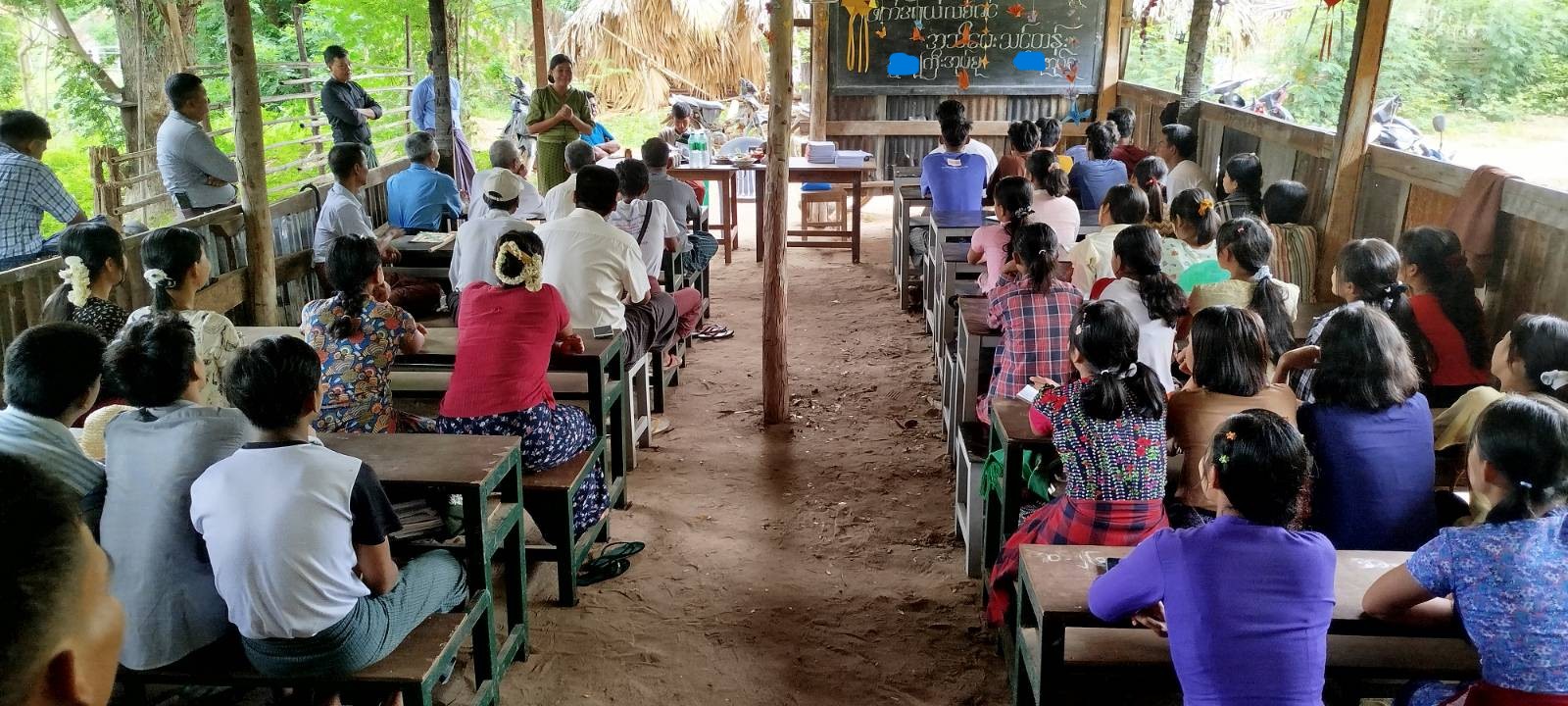
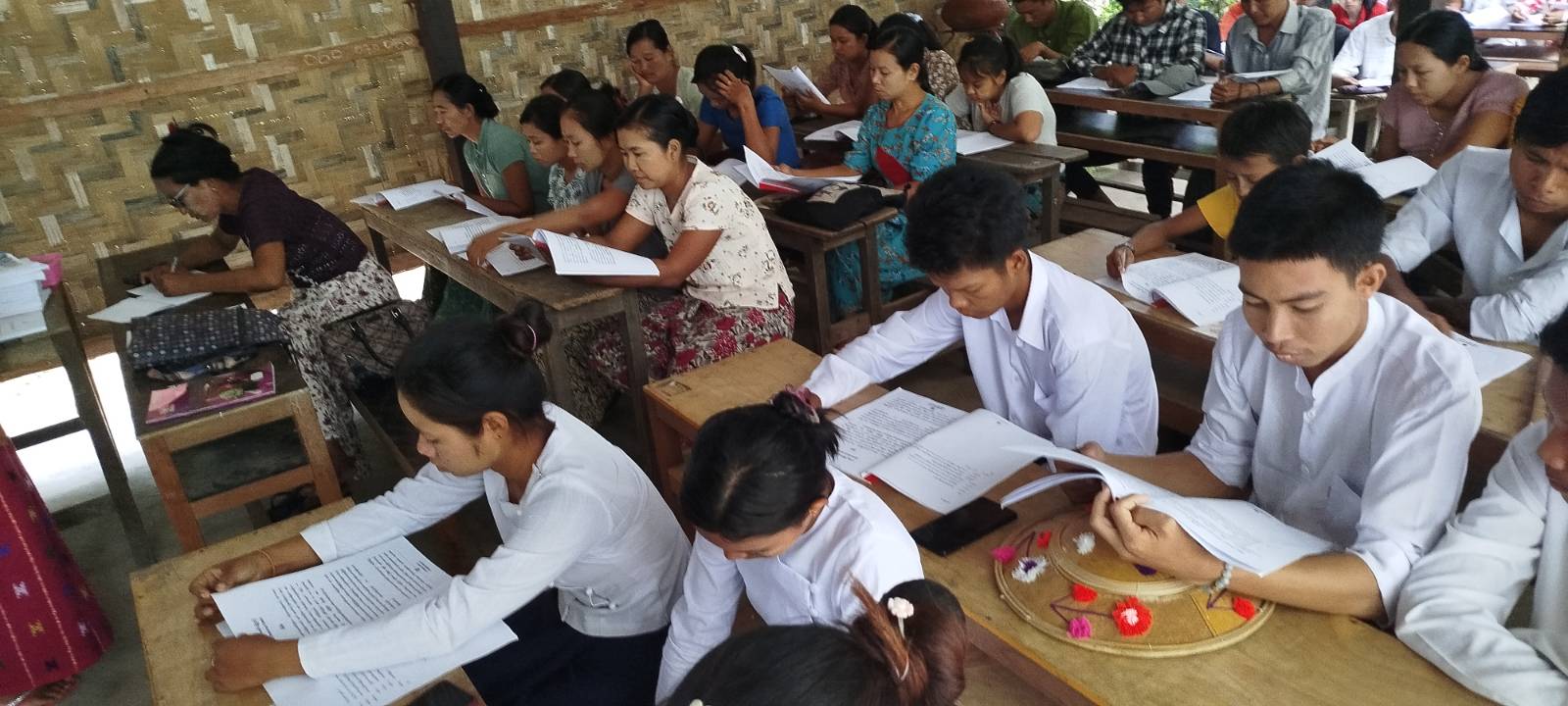
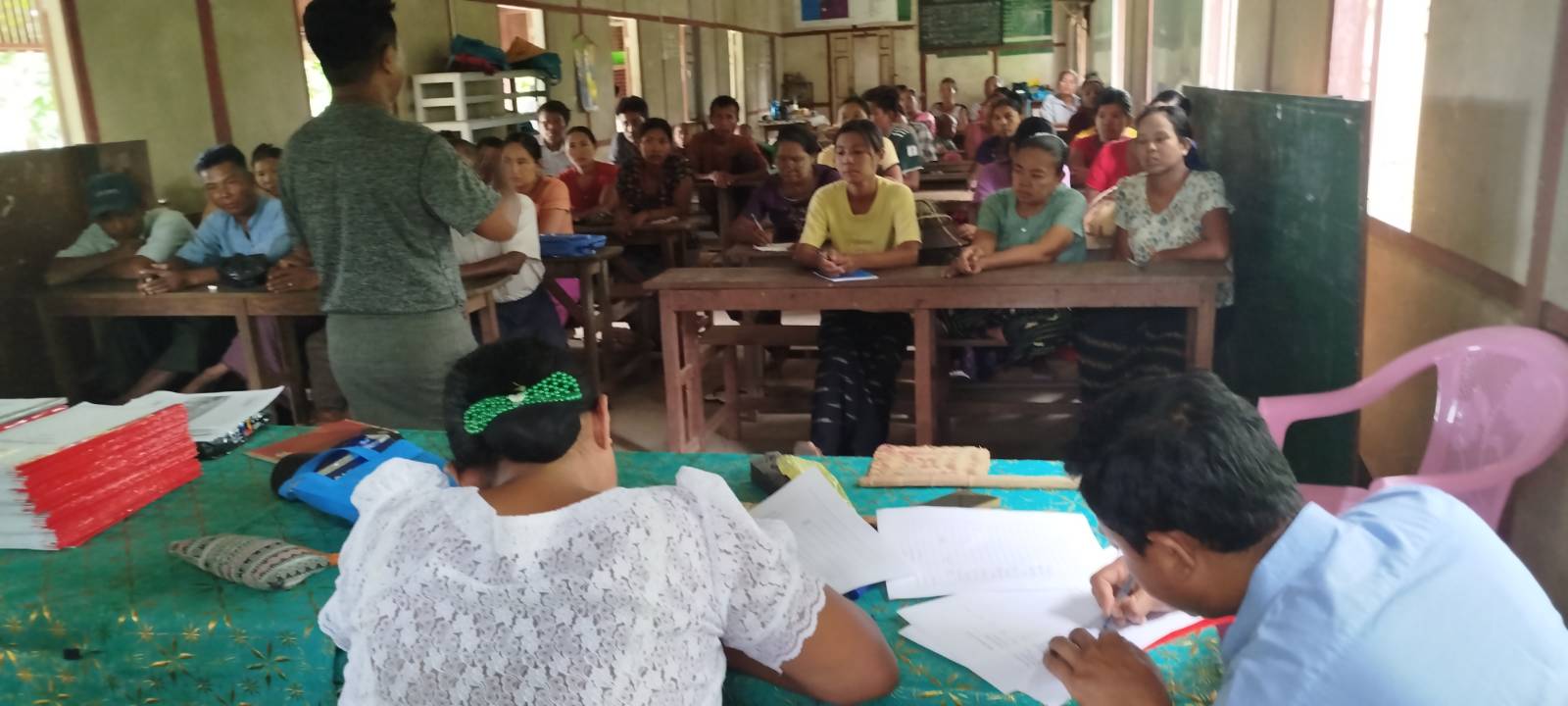
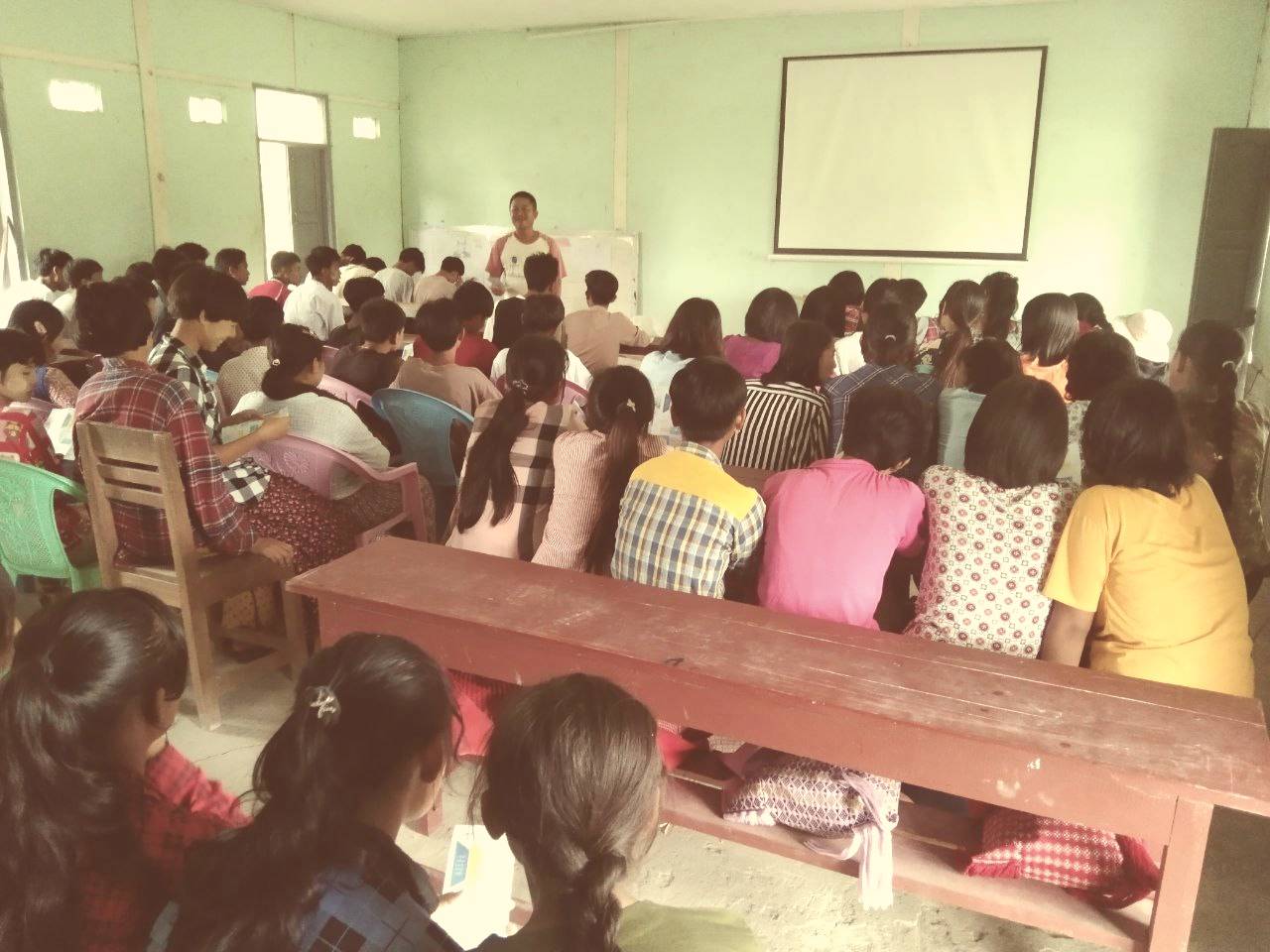
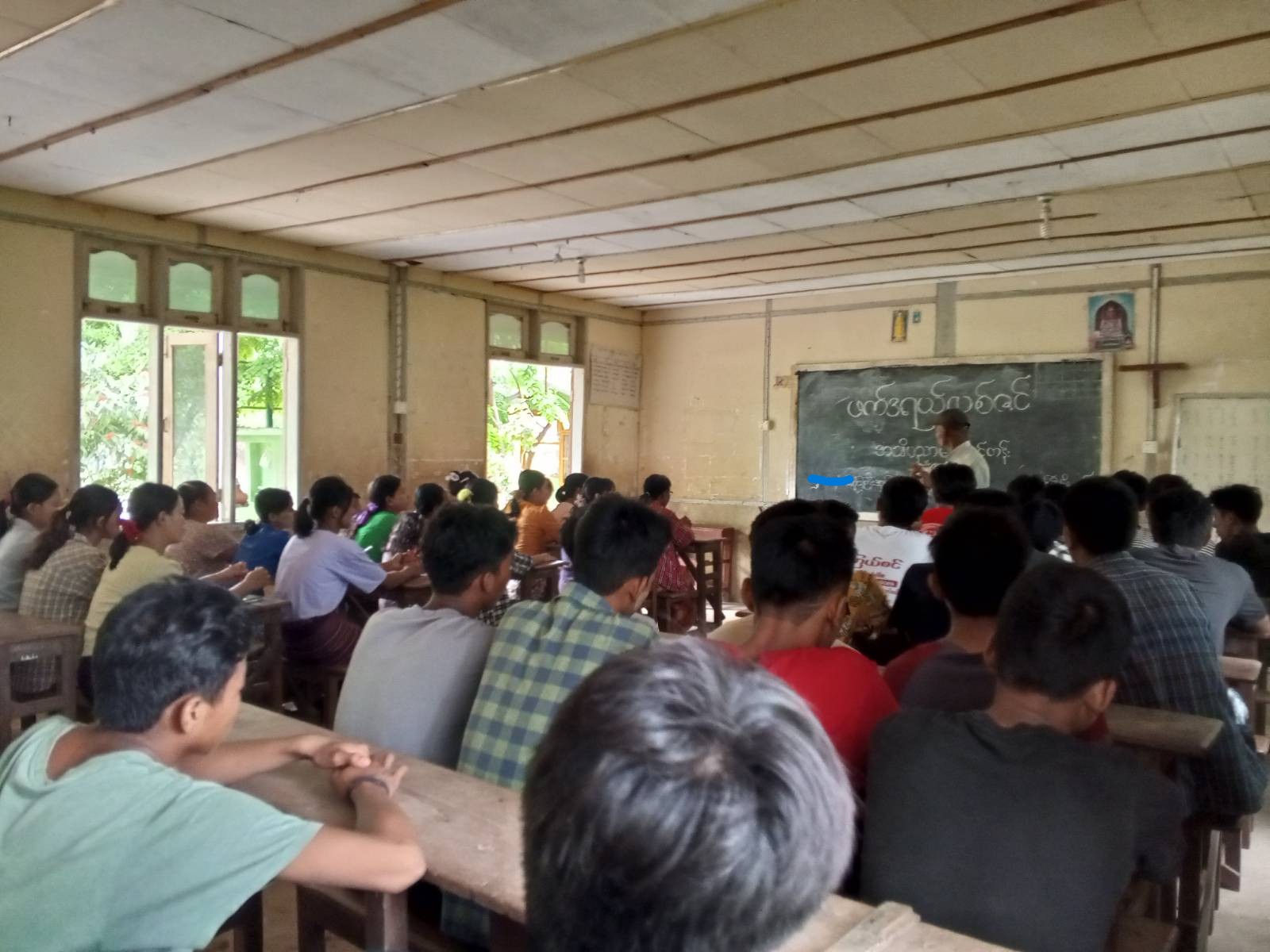
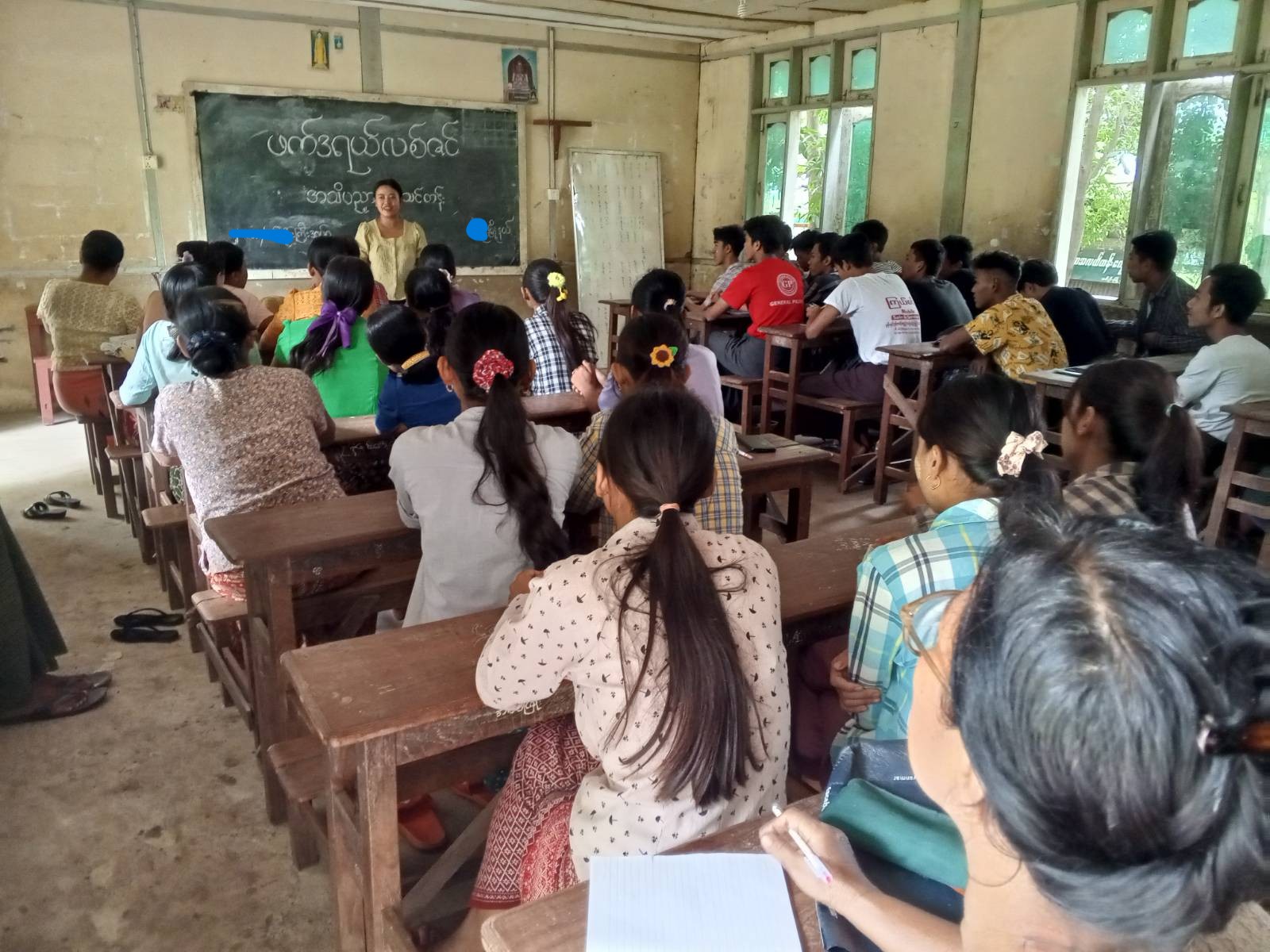
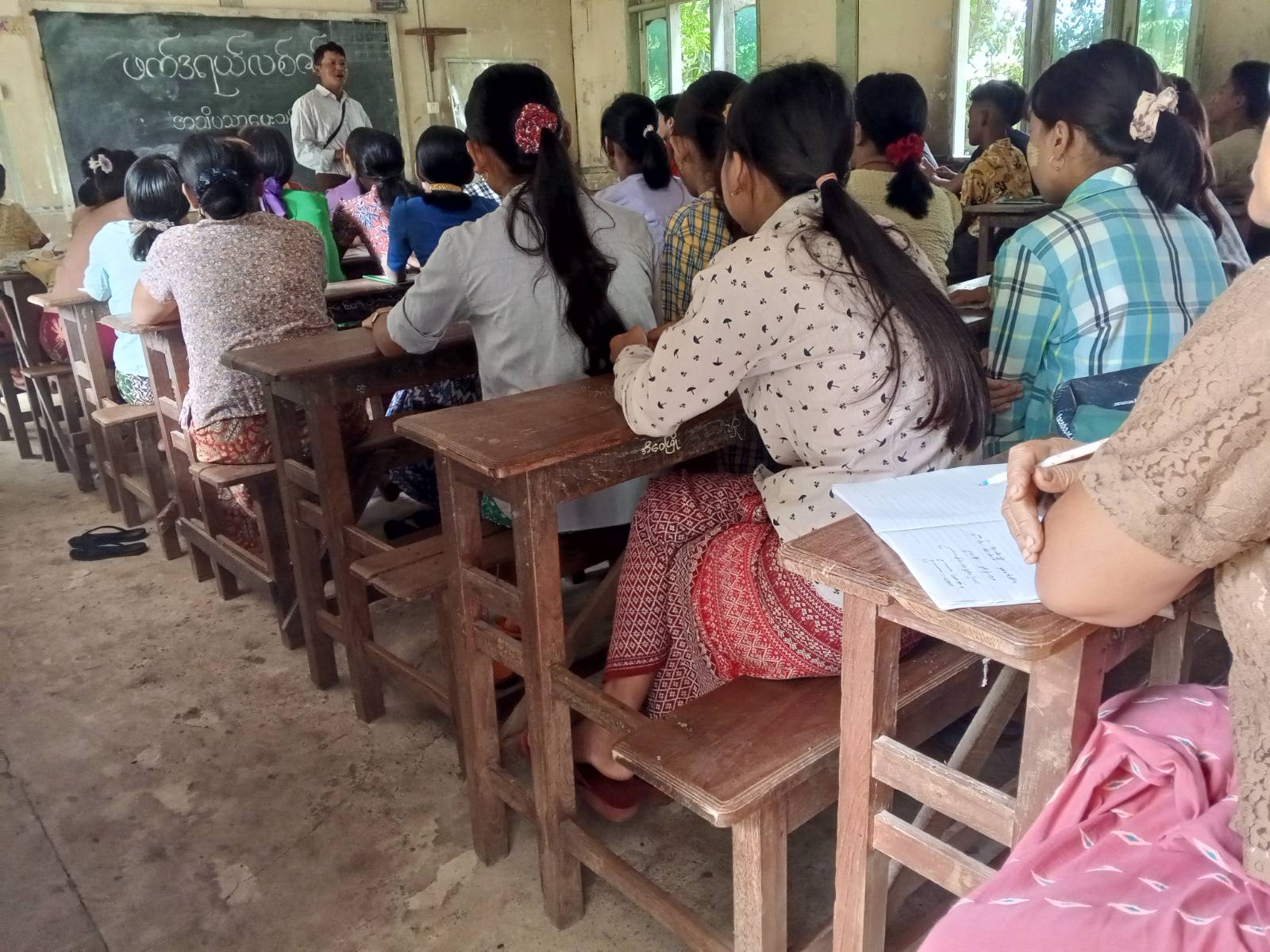
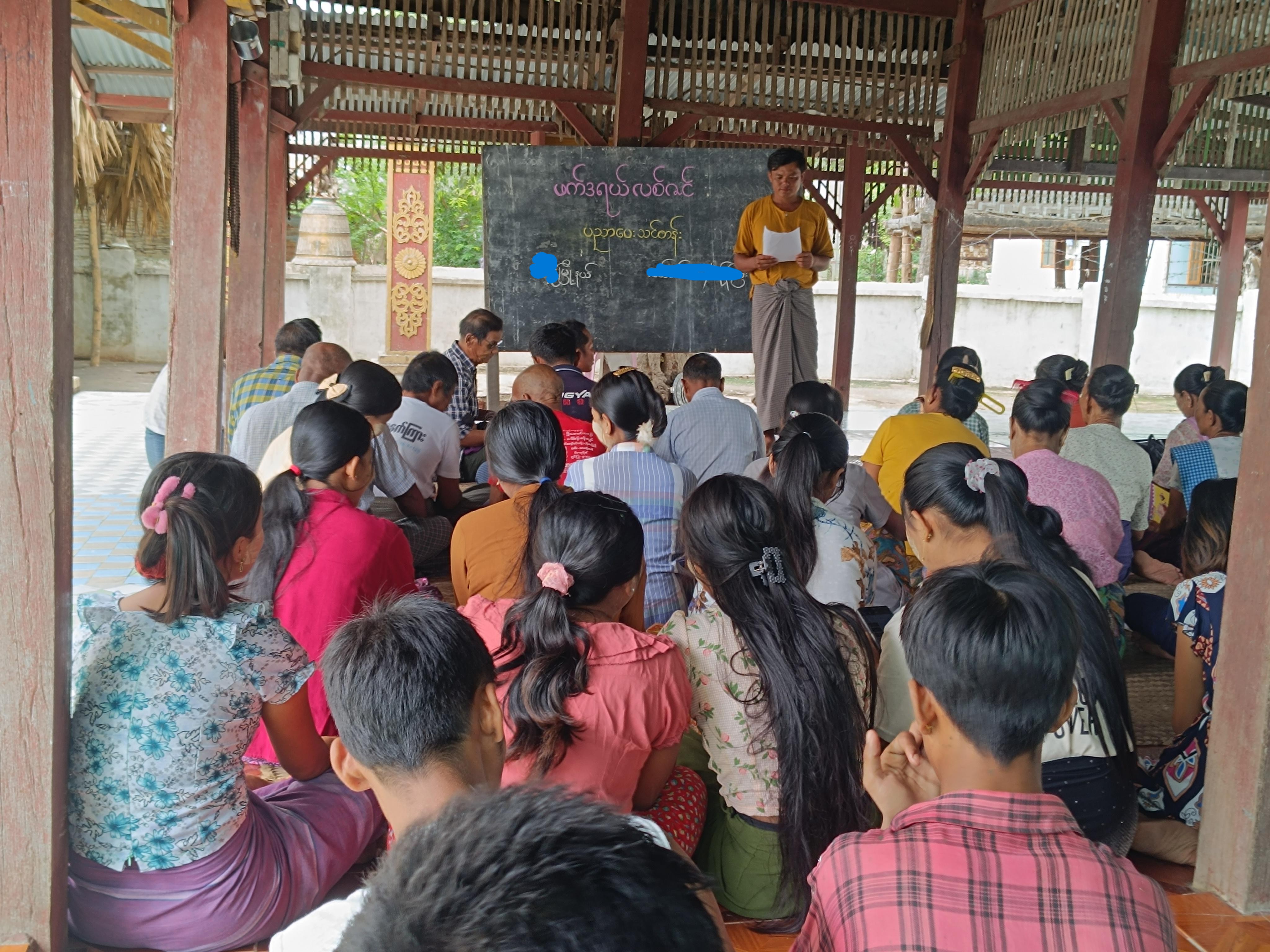
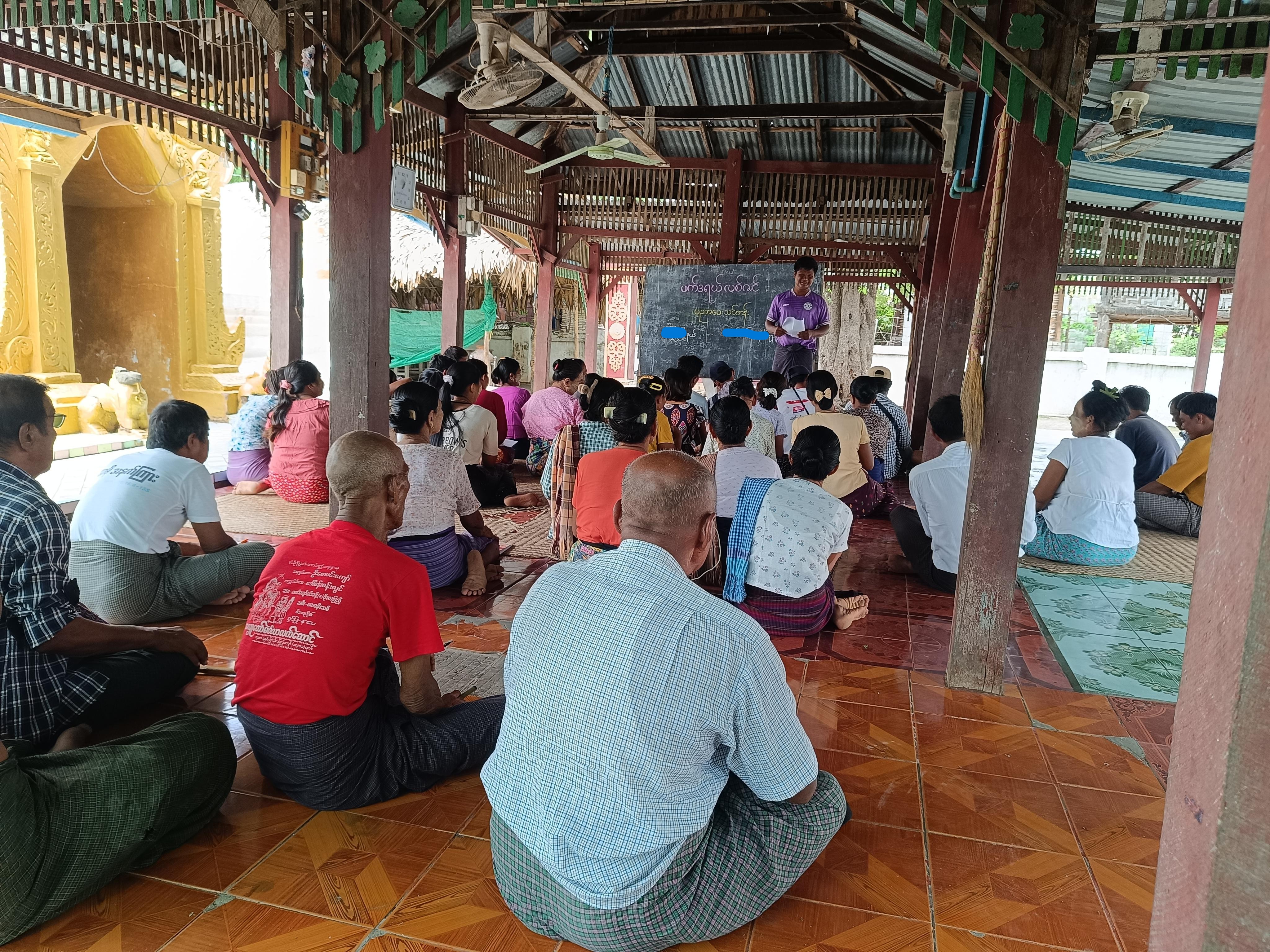
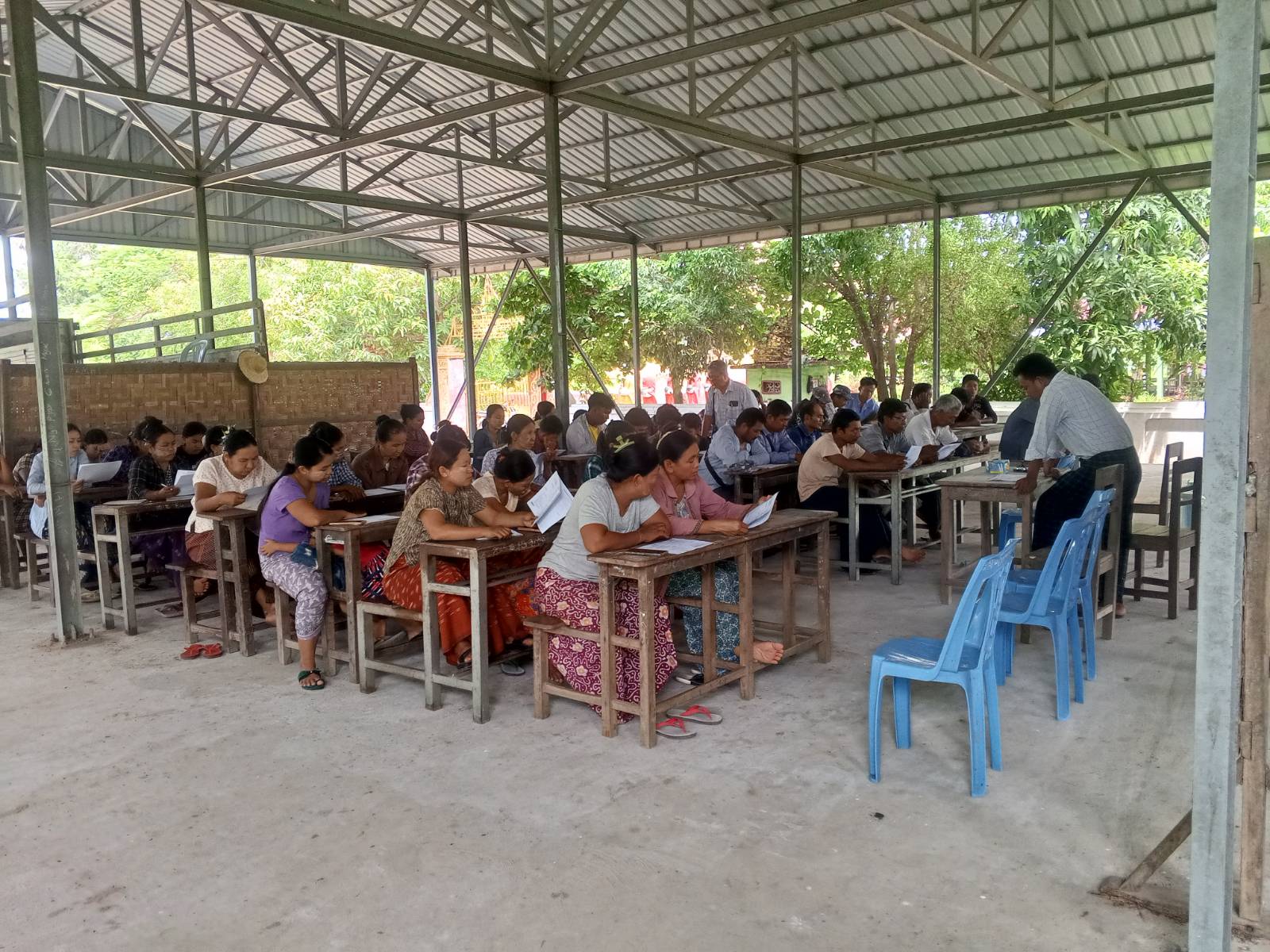
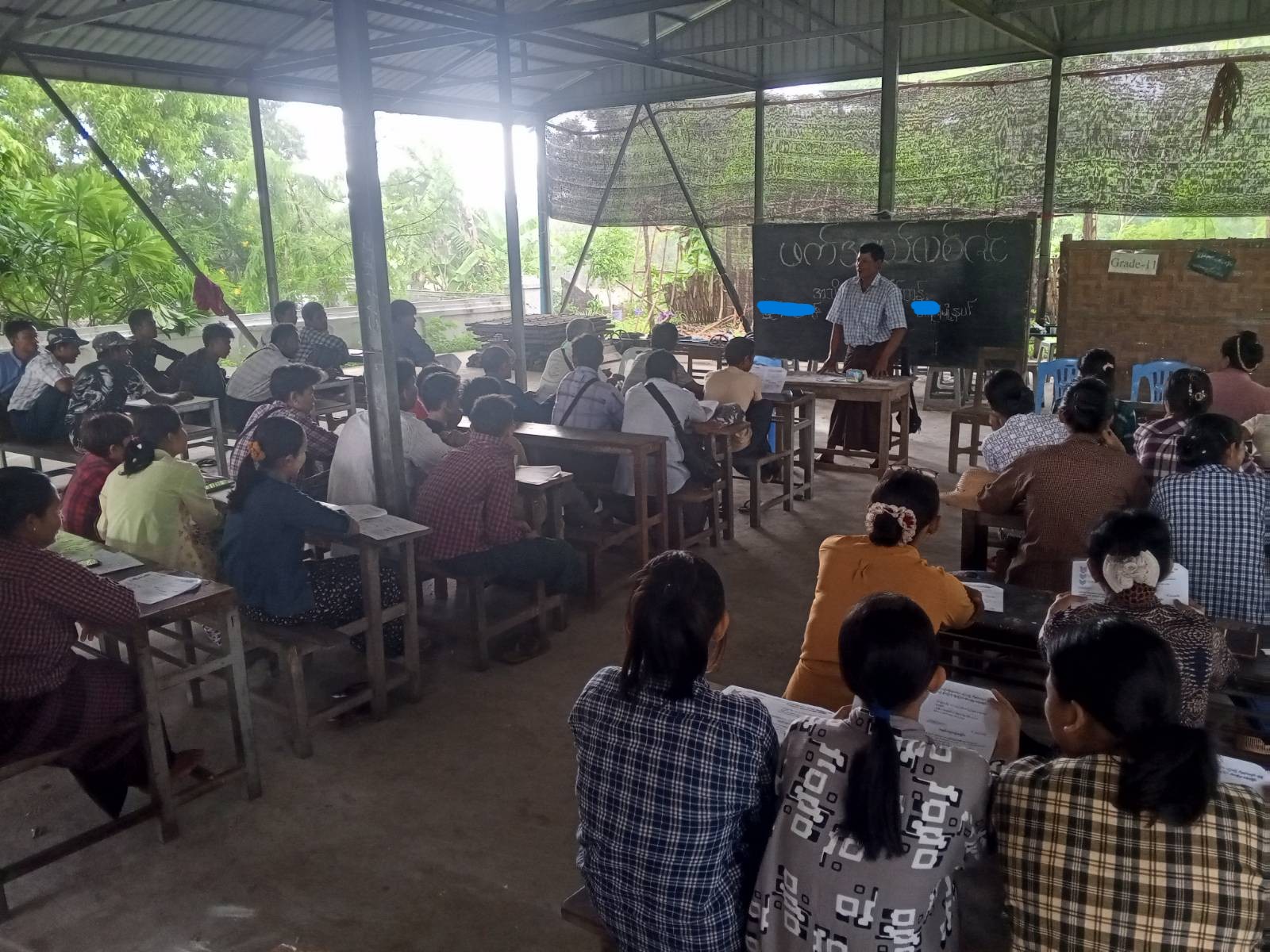
What This Work Makes Possible
When communities have access to knowledge, shared spaces, and support, they are better able to respond to challenges in ways that are locally relevant and sustainable.
Through these ongoing efforts, individuals and communities have:
- Strengthened their ability to stay safe in high-risk environments
- Improved access to practical health knowledge and support
- Created more inclusive and supportive community spaces
- Built confidence to engage in discussions about rights and participation
This work is not about short-term interventions, but about supporting long-term resilience shaped by the communities themselves.
Voices from the Community
“Some trainees came up with their prior knowledge on landmine and bombardment risk mitigation based on what they’d read on social media. But, they were unable to do anything when they were asked to do some demonstrations as pre-assessment on their practical skills about how to make themselves safe from landmines and aerial bombardments. They’ve only earned complete skill sets through our training sessions where they were allowed to practicalize their knowledge.”
– Civil Society Leader and Trainer, Ayadaw Township
“There’s been a significant increase in the female population entering puberty since the 2021 military coup. Due to the prolonged armed conflict, many of these young women have not had access to essential health education regarding hormonal changes, menstruation, and safe practices during puberty, including hygiene and sexual health. Consequently, numerous individuals have faced unintended pregnancies and resorted to unsafe abortions, leading to social ostracization and long-term health consequences such as reproductive issues, depression, and tragically, suicide. Therefore, it is imperative to prioritize similar health education initiatives to mitigate these risks and enhance women’s health, particularly in rural areas.”
– Training Participant, Yinmabin Township
“People never stop having sex and reproduction for the reason of war or conflict. It’s logically more evident in rural communities with relatively lower education on sex, reproduction, and family planning. This ‘Reproduction and Family Planning’ training has happened at a perfect timing when local people, including teen school children and early drop-outs, have long been unable to access such similar awareness-raising trainings due to the Covid-19 pandemic and post-coup political crises. We’ve educated them to understand how safe sex, reproduction, and family planning are critical to their social well-being and trained them to follow conception methods very systematically through this training. The more similar trainings we can do, the better it is for local communities.”
– Community Leader, Kalay Township
“Only a three-day Gender Equality and Gender-Based Violence (GBV) training has enlightened us a lot. I myself used to view a husband’s beating of his wife as customarily acceptable. Only after attending this training, I clearly understand that it’s terrible domestic violence. Most importantly, I used to think gays and lesbians were socially abnormal and religiously unacceptable. Admittedly, I now feel ashamed of myself who used to mock their identities and existentialism until I joined this training.”
– Training Participant, Kanbalu Township